

Symphony No.9 "choral": discovering Ludwig Van Beethoven's artistry
Symphony No.9 "choral"- Album Overview
Ludwig Van Beethoven's "Symphony No. 9 in D minor, Op. 125," commonly referred to as the "Choral Symphony," was completed in 1824 and remains one of the most significant compositions in classical music history. Released under various labels following its premiere, the symphony was first performed in Vienna on May 7, 1824, and has since been recorded countless times by leading orchestras around the world. The symphony is renowned for its final movement, which integrates a full choir and vocal soloists into the orchestral fabric, a groundbreaking decision that has influenced countless composers and genres.
The work is structured in four movements, with the last featuring the famous "Ode to Joy," a setting of Friedrich Schiller's poem that celebrates universal brotherhood. This symphony marked a turning point in the genre, blending symphonic and choral elements in a way that had never been done before. Its cultural significance extends beyond music; it has been adopted as an anthem for various movements, including the European Union's anthem, illustrating its profound impact on society.
Key collaborators for the symphony included conductor Michael Umlauf for the premiere, along with the soloists who featured prominently in the choral finale. The symphony's innovative orchestration and thematic depth have led to many interpretations and analyses, making it a staple in both concert halls and academic studies alike. Beethoven's ninth is not only a testament to his genius but also an enduring symbol of hope and humanity.
Review
Beethoven's "Symphony No. 9" is a monumental work that encapsulates the composer's artistic vision, showcasing a remarkable evolution from the classical traditions of his predecessors to a more romantic and expressive form of music. The first three movements are characterized by their dynamic contrasts and emotional depth, ranging from the stormy intensity of the first movement to the serene beauty of the second. Each section transitions seamlessly, with Beethoven's use of motifs and themes creating a cohesive narrative throughout.
The fourth movement, however, is where the symphony truly shines. The introduction of the choir elevates the musical experience, transforming the symphonic dialogue into a communal celebration of humanity. The "Ode to Joy" theme resonates with listeners, invoking feelings of unity and transcendence. Beethoven's ability to convey complex emotions and philosophical ideas through music is unparalleled, making this symphony a profound artistic statement that continues to inspire generations.
Highlights
- Innovative integration of choral elements into the symphonic structure.
- Emotional depth and thematic coherence throughout the movements.
- Historical significance as a cultural symbol of unity and hope.
Weak points
- Lengthy duration might be daunting for casual listeners.
- Complexity of themes may require attentive listening to fully appreciate.
- Some interpretations may lack the emotional gravitas intended by Beethoven.
Overall evaluation
Ludwig Van Beethoven's "Symphony No. 9" is a monumental achievement that transcends the boundaries of classical music, offering a rich tapestry of sound and emotion. Its legacy continues to thrive, making it essential listening for anyone seeking to understand the depth of human expression through music.
Personal rating: 10/10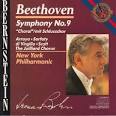 1972Symphony No. 9