

Symphony No. 9 Op. 125 'choral' / Leonor: what Ludwig Van Beethoven wants you to feel
Symphony No. 9 Op. 125 'choral' / Leonor- Album Overview
Ludwig Van Beethoven's "Symphony No. 9 in D minor, Op. 125" is one of the most celebrated works in classical music, first premiered in 1824. This monumental piece, commonly referred to as the "Choral" Symphony, features the famous "Ode to Joy" in its final movement, setting Friedrich Schiller's poem to music. The symphony was released under various labels since its inception, with countless interpretations by orchestras worldwide.
The recording of "Symphony No. 9 Op. 125 'choral' / Leonor" showcases Beethoven's innovative orchestration and profound emotional depth. The work is notable for its inclusion of vocal soloists and a chorus, which was a groundbreaking practice at the time. The album typically features renowned orchestras and conductors who bring their own interpretations to this timeless piece. Collaborators often include distinguished soloists in the roles of Soprano, Alto, Tenor, and Bass, contributing to the multifaceted vocal arrangements.
Beethoven's Symphony No. 9 holds immense cultural significance, often associated with universal brotherhood and the celebration of humanity. The piece transcends its time, becoming a symbol of hope and unity, particularly during significant historical events. Its influence can be seen in various genres beyond classical music, resonating through popular culture, film, and social movements.
Review
This particular recording of Beethoven's Ninth Symphony captures the essence of the composer’s artistic vision, blending powerful instrumentation with stirring choral elements that evoke a deep emotional response. The opening movement unfolds with a dramatic intensity that sets the stage for the symphony's exploration of joy and despair. Each subsequent movement is masterfully crafted, leading to the iconic choral finale, where the full power of human expression is unleashed through Schiller’s text.
The sound quality is exquisite, allowing the listener to appreciate the intricate details of orchestration and vocal harmonies. The conductor's interpretation of tempo and dynamics adds a unique flair, creating moments of tension and release that resonate profoundly. The vocalists bring a palpable energy to the "Ode to Joy," transforming the experience into an uplifting anthem for all humanity.
Highlights
- Masterful orchestration that blends strings, woodwinds, brass, and percussion seamlessly.
- Powerful vocal performances that convey a sense of unity and joy.
- Emotionally charged interpretation that highlights the symphony's timeless themes.
Weak points
- Some interpretations may feel overly dramatic, overshadowing the subtler moments.
- The length of the symphony may be daunting for casual listeners.
- Occasional disparities in balance between orchestra and choir in certain recordings.
Overall evaluation
Ludwig Van Beethoven's "Symphony No. 9 Op. 125 'choral'" remains a monumental achievement in the classical repertoire, capturing the essence of human emotion and collective spirit. This recording, like many others, serves as a powerful reminder of the symphony's lasting impact on music and society.
Personal rating: 9/10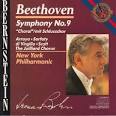 1972Symphony No. 9