
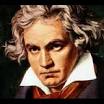
Review of Ludwig Van Beethoven – Symphony No. 3 "eroica"
Symphony No. 3 "eroica"- Album Overview
Ludwig Van Beethoven's Symphony No. 3, commonly referred to as the "Eroica," was composed between 1803 and 1804 and premiered in 1805. Released under the label of various orchestras over the years, including the prestigious Deutsche Grammophon, it has been recorded by countless artists and orchestras, making it one of the most celebrated classical pieces in history. The symphony is notably a pivotal work in the transition from the Classical to the Romantic era in music, showcasing Beethoven's innovative approach to structure and emotional expression.
The "Eroica" was originally dedicated to Napoleon Bonaparte, reflecting Beethoven's admiration for the ideals of the French Revolution. However, upon Napoleon declaring himself Emperor, Beethoven famously withdrew the dedication, highlighting his disillusionment with power. The symphony consists of four movements: Allegro con brio, Marcia funebre (Adagio assai), Scherzo (Allegro vivace), and Allegro molto. Each movement encapsulates a range of emotions, from the heroic to the tragic, reflecting Beethoven's intent to convey the struggles and triumphs of the human spirit.
The "Eroica" also marks Beethoven's departure from the traditional symphonic form, expanding the length and complexity of the movements. This work has influenced countless composers and remains a cornerstone of the classical repertoire. It’s often performed by major symphony orchestras around the world and has been featured in numerous films and cultural references, further cementing its legacy in the classical canon.
Review
The "Eroica" is an extraordinary testament to Beethoven's genius, characterized by bold orchestration and innovative thematic development. The first movement bursts with energy and intensity, immediately captivating listeners with its dynamic contrasts and rhythmic drive. The second movement, a funeral march, offers a poignant reflection on mortality, showcasing Beethoven's ability to convey deep emotional weight through music. The third movement brings a playful yet intricate scherzo, demonstrating Beethoven's mastery of counterpoint, while the final movement concludes the symphony with a triumphant and jubilant theme.
Throughout the symphony, Beethoven's artistic vision shines through, combining classical traditions with a new, expressive language that paved the way for future composers. The orchestration is rich and varied, with each instrument playing a vital role in the overall tapestry of sound. The thematic material is not only memorable but also woven together in a way that elevates the entire work beyond mere entertainment, inviting listeners to engage with the complexities of human experience.
Highlights
- Innovative structure that redefined classical symphony norms.
- Emotionally resonant themes that showcase deep human experiences.
- Masterful orchestration that highlights the individuality of each instrument.
Weak points
- The length of the symphony may challenge casual listeners.
- Some may find the shifts in mood and tempo jarring.
- Requires attentive listening to fully appreciate its complexity.
Overall evaluation
Beethoven's Symphony No. 3 "Eroica" is an essential masterpiece that not only showcases the composer's remarkable talent but also marks a significant turning point in the history of Western classical music. Its emotional depth and structural innovation ensure its place as a cherished work that resonates across generations.
Personal rating: 10/10 1972Symphony No. 9