
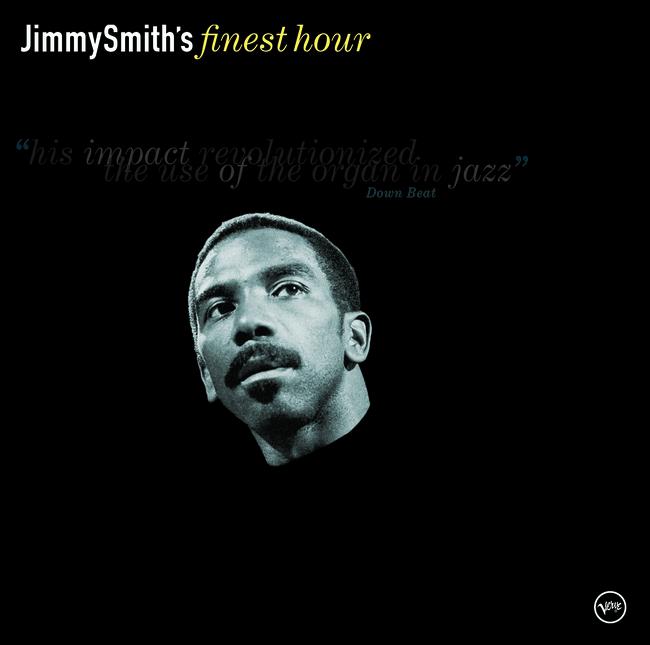
Listening to Walk On The Wild Side by Jimmy Smith
Walk On The Wild Side- Album Overview
"Walk On The Wild Side" is a seminal jazz album by organist Jimmy Smith, released in 1962 under the Verve Records label. Known for his innovative approach to the Hammond B-3 organ, Smith's work has been pivotal in popularizing the instrument in jazz music. This album was produced during a vibrant era of jazz, where the fusion of various styles was beginning to emerge, and Smith's unique sound contributed significantly to that evolution.
The album features a mix of original compositions and jazz standards, showcasing Smith's virtuosity and deep understanding of jazz harmony. The title track, "Walk On The Wild Side," is particularly noteworthy for its intricate arrangements and soulful grooves. Collaborating with notable musicians such as guitarist Quentin Warren and drummer Donald Bailey, Smith created a rich tapestry of sound that remains influential. The recording sessions took place in New York City, a hub for jazz innovation, where Smith's music resonated with the cultural zeitgeist of the time, reflecting a blend of urbanity and spontaneity.
"Walk On The Wild Side" was heralded for its bold sound and vibrant energy, with tracks like "Arietis" and "The Cat" standing out as fan favorites. The album's impact extends beyond its release, influencing countless musicians across genres. Smith's ability to merge blues, soul, and jazz elements not only advanced organ music but also carved a niche in the broader context of American music. As a result, this album is often celebrated as a classic that encapsulates the spirit of early 1960s jazz.
Review
The sound of "Walk On The Wild Side" is both engaging and sophisticated, characterized by Jimmy Smith's signature organ tones that are both robust and soulful. The album flows seamlessly from track to track, each piece showcasing Smith’s mastery of rhythm and melody. His improvisational skills shine brightly, particularly in the longer tracks where he takes the listener on a journey through intricate solos and dynamic interplay with his bandmates.
While the album does not feature lyrics in the traditional sense, the musical storytelling is profound; Smith’s organ plays the role of a narrator, weaving tales of urban life and the complexities of jazz. The artistic vision behind this album is clear—Smith sought to push the boundaries of jazz, incorporating elements from blues and even hints of funk, creating a sound that was both contemporary and timeless. The production quality is top-notch, capturing the live feel of the recordings and allowing listeners to experience the energy of a live jazz performance.
Highlights
- Innovative use of the Hammond B-3 organ, showcasing Smith's virtuosity.
- Seamless blend of jazz, blues, and soul influences.
- Strong collaborative performances with talented musicians, enhancing the overall sound.
Weak points
- Some tracks may feel lengthy for casual listeners.
- Lack of vocal elements might not appeal to all audiences.
- Production style may seem dated compared to modern recordings.
Overall evaluation
"Walk On The Wild Side" stands as a testament to Jimmy Smith's genius and his lasting impact on jazz music. With its innovative sound and rich musicality, it remains a cornerstone of the genre. While it may have some elements that feel dated or lengthy, the overall experience is rewarding for those who appreciate the art of jazz.
Personal rating: 9/10 1969Further Adventures of Jimmy and Wes
 1963Back at the Chicken Shack
 1963Any Number Can Win