
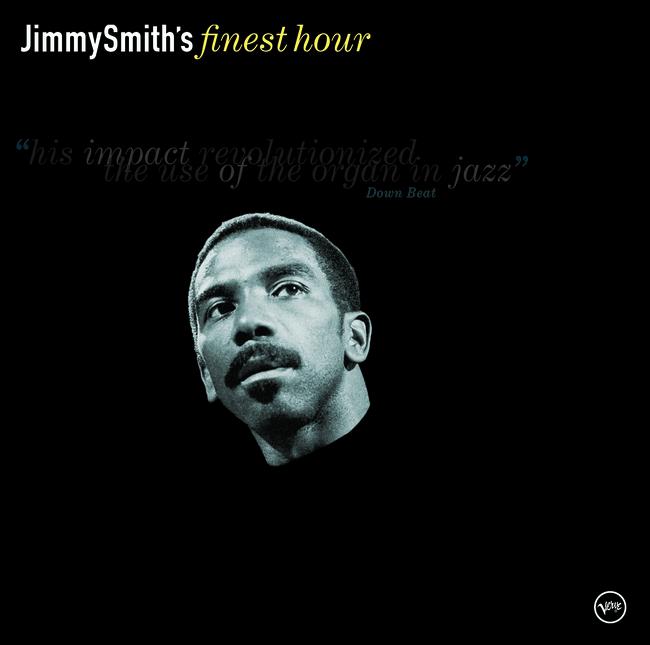
Unpacking Jimmy Smith's Plain Talk
Plain Talk- Album Overview
Released in 1966, "Plain Talk" is a seminal album by the legendary jazz organist Jimmy Smith, known for his pioneering work in the jazz organ genre, particularly with the Hammond B-3 organ. The album was released under the Verve Records label, which was instrumental in shaping the sound of jazz during the 1960s. "Plain Talk" showcases Smith's exceptional skill and innovative approach to jazz, blending soulful melodies with intricate improvisation.
The album was recorded at the Van Gelder Studio, a renowned recording venue in New Jersey known for its superior acoustics and high-quality recordings, frequently used by jazz greats. Collaborating with Smith on this project were accomplished musicians, including guitarist Kenny Burrell and drummer Elvin Jones, each contributing their unique styles to the overall sound of the album. The combination of Smith's dynamic organ playing with Burrell's smooth guitar and Jones's powerful drumming creates an engaging listening experience that highlights the synergy among the players.
While "Plain Talk" did not spawn any major singles, it is celebrated for its deep cuts that resonate with jazz aficionados. Standout tracks include "The Cat," "The Sermon," and "No Man's Land," each reflecting Smith's distinct ability to blend blues, jazz, and gospel influences. The album holds significant cultural relevance as it encapsulates the essence of 1960s jazz, a period marked by experimentation and the fusion of different musical genres. "Plain Talk" continues to be a vital part of Smith's discography and a lasting influence on jazz organists and musicians across various genres.
Review
"Plain Talk" is a testament to Jimmy Smith's artistry and vision as a jazz musician. The album opens with "The Cat," which immediately draws listeners in with its catchy groove and Smith's virtuosic playing. The interplay between the organ and guitar creates a dialogue that is both engaging and compelling. Smith's ability to convey emotion through his instrument is palpable, and each track offers a unique exploration of rhythm and melody.
While the album primarily showcases instrumental pieces, the absence of lyrics does not detract from its impact. Instead, the music speaks volumes, with Smith's improvisational flair bringing a narrative quality to each performance. The production, crisp and clear, allows listeners to hear the nuances of the musicians' interactions, making it an intimate experience.
Overall, "Plain Talk" is both a celebration of jazz tradition and a bold step forward. Smith's vision is clear: to push the boundaries of what the jazz organ could accomplish, and he succeeds admirably. The album is a rich tapestry of sound that invites repeated listens, revealing new layers and textures with each spin.
Highlights
- Smith's exceptional virtuosity and improvisational skills shine throughout the album.
- Strong collaborative chemistry with talented musicians like Kenny Burrell and Elvin Jones.
- A rich blend of blues, jazz, and gospel influences creates a captivating soundscape.
Weak points
- Some tracks may feel lengthy for listeners accustomed to more concise compositions.
- The absence of vocal tracks may alienate those looking for lyrical content.
- Lesser-known tracks might not have the immediate appeal of more popular jazz standards.
Overall evaluation
"Plain Talk" stands as a masterclass in jazz organ performance, showcasing Jimmy Smith's unmatched talent and innovative spirit. While it may not cater to all musical tastes, its significance in the jazz genre and its execution make it a worthy listen for any music enthusiast.
Personal rating: 9/10 1969Further Adventures of Jimmy and Wes
 1963Back at the Chicken Shack
 1963Any Number Can Win