
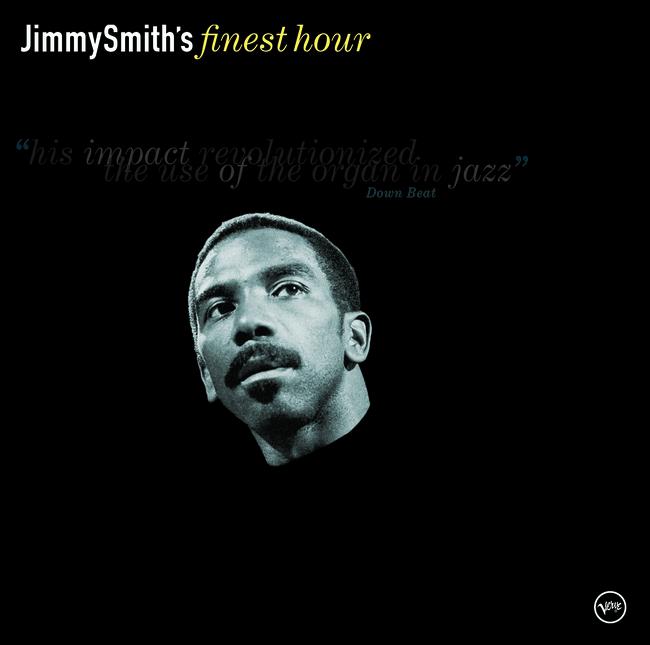
Angel Eyes by Jimmy Smith: expectations vs reality
Angel Eyes- Album Overview
Released in 1978, "Angel Eyes" is a notable album by the legendary jazz organist Jimmy Smith. Known for his innovative approach to the Hammond B3 organ, Smith blended jazz, blues, and soul in a way that made him a pivotal figure in the development of jazz music. The album was released under the prestigious Verve Records label, which has a legacy of promoting some of the greatest artists in jazz history. "Angel Eyes" features a mix of original compositions and classic standards, showcasing Smith's virtuosic skills and unique sound.
The album is produced by the renowned Creed Taylor, who was instrumental in shaping the sound of jazz in the late 20th century. Collaborating with Smith are notable musicians including guitarist George Benson and drummer Grady Tate, who add depth and texture to the album's sound. The album consists of tracks such as "Angel Eyes," "The Cat," and "Ain’t Misbehavin'," each offering a glimpse into Smith's musical prowess and ability to create a rich harmonic environment.
Upon its release, "Angel Eyes" did not achieve the commercial success of some of Smith's earlier works, yet it has since been recognized for its artistic merit and cultural significance. The album captures the essence of the late 1970s jazz scene and reflects the transition in jazz styles as it began to incorporate more elements of funk and soul. Today, "Angel Eyes" stands as a testament to Jimmy Smith's legacy, influencing countless musicians and remaining a beloved piece in the jazz canon.
Review
Musically, "Angel Eyes" is a captivating blend of rhythm and melody. Jimmy Smith's signature organ sound is both soulful and intricate, driving each track with a deep sense of groove. The interplay between Smith's organ and Benson's guitar is particularly noteworthy, creating a dialogue that is both engaging and dynamic. Lyrically, while many tracks are instrumental, the few vocal pieces resonate with a sense of longing and nostalgia, showcasing Smith's ability to evoke emotion through his music.
Artistically, Smith continues to push the boundaries of jazz organ, incorporating elements of funk and blues that reflect the era's changing landscape. The production quality, handled with care by Creed Taylor, adds a polished sheen to the recordings while retaining an organic feel that allows the musicianship to shine. Overall, "Angel Eyes" invites listeners to explore the depths of jazz, blending traditional elements with contemporary influences.
Highlights
- Innovative arrangements that showcase Smith's virtuosity on the Hammond B3 organ.
- Strong collaborations with talented musicians like George Benson and Grady Tate.
- A perfect blend of jazz, blues, and soul that captures the essence of the late '70s music scene.
Weak points
- Some tracks may feel repetitive for listeners unfamiliar with jazz structures.
- Lack of commercial hits compared to Smith's earlier works might limit wider recognition.
- Occasional production choices could feel dated to modern audiences.
Overall evaluation
"Angel Eyes" serves as a significant entry in Jimmy Smith's discography, blending a range of influences and showcasing his unmatched talent as an organist. While it may not have achieved widespread acclaim during its initial release, its artistic contributions to the jazz genre cannot be overlooked.
Personal rating: 8/10 1969Further Adventures of Jimmy and Wes
 1963Back at the Chicken Shack
 1963Any Number Can Win