
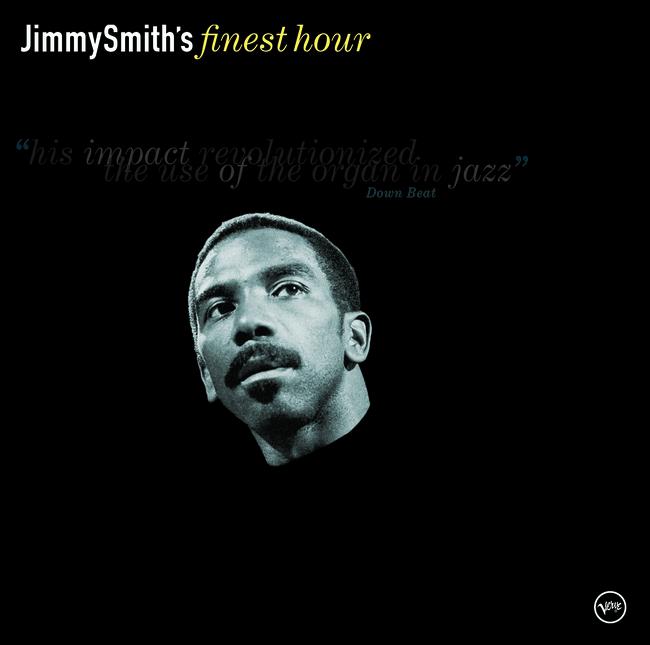
Breaking down the themes in Rockin’ The Boat by Jimmy Smith
Rockin’ The Boat- Album Overview
Released in 1979, "Rockin’ The Boat" is a notable entry in the discography of jazz organist Jimmy Smith. Known for his pioneering role in the jazz organ genre, Smith collaborated with a variety of talented musicians, including guitarist George Benson and drummer Idris Muhammad, to create an album that blends elements of jazz, funk, and soul. The album was produced by the renowned Creed Taylor and released under the CTI Records label, which was known for its high-quality jazz recordings during the 1970s.
"Rockin’ The Boat" features a collection of tracks that showcase Smith's virtuosity on the Hammond B-3 organ while also embracing a more contemporary sound that reflects the musical trends of its time. The title track, "Rockin’ The Boat," serves as a powerful opener, setting the tone for an album that is both energetic and introspective. Other standout tracks include "Ain't That a Kick in the Head," which highlights Smith's ability to blend traditional jazz with popular music elements, and "The Look of Love," a smooth rendition that showcases his unique interpretation of well-known tunes.
The album's cultural significance lies in its ability to bridge generations of music lovers, appealing to both jazz purists and those new to the genre. Smith's innovative approach to the organ has influenced countless musicians across various musical styles. "Rockin’ The Boat" stands as a testament to his enduring legacy and the continued evolution of jazz music. Through its production quality, engaging compositions, and collaborative spirit, the album solidifies Jimmy Smith's place in the pantheon of jazz greats.
Review
The sound of "Rockin’ The Boat" is characterized by Jimmy Smith's signature organ riffs, which are both captivating and complex. The album effectively blends jazz improvisation with soulful melodies and a rhythmic foundation that invites listeners to groove along. Smith's artistic vision shines through in his seamless integration of funk elements, making the album feel fresh and relevant even decades after its release. The interplay between the musicians is palpable; each track showcases their individual talents while contributing to the album's cohesive sound.
Lyrically, while the album primarily focuses on instrumental tracks, the titles and arrangements convey a sense of playfulness and exploration. Smith’s ability to tell a story through music is evident, creating an emotional landscape that resonates with listeners. The album reflects a period of musical experimentation, illustrating the dynamic nature of jazz in the late 1970s. Overall, "Rockin’ The Boat" delivers a rich listening experience that balances technical prowess with infectious grooves.
Highlights
- Smith's masterful command of the Hammond B-3 organ.
- Dynamic collaborations with renowned musicians like George Benson.
- Seamless blend of jazz, funk, and soul influences.
Weak points
- Some tracks may feel repetitive for listeners seeking more innovation.
- Occasional lack of lyrical depth in comparison to purely vocal jazz albums.
- Production style may not appeal to all traditional jazz fans.
Overall evaluation
"Rockin’ The Boat" is a vibrant and engaging album that encapsulates the spirit of Jimmy Smith's artistry. It successfully merges various musical styles and showcases his skill as a jazz organist, making it a significant contribution to the genre. While it has its minor weaknesses, the overall experience is both enjoyable and impactful.
Personal rating: 8/10 1969Further Adventures of Jimmy and Wes
 1963Back at the Chicken Shack
 1963Any Number Can Win