
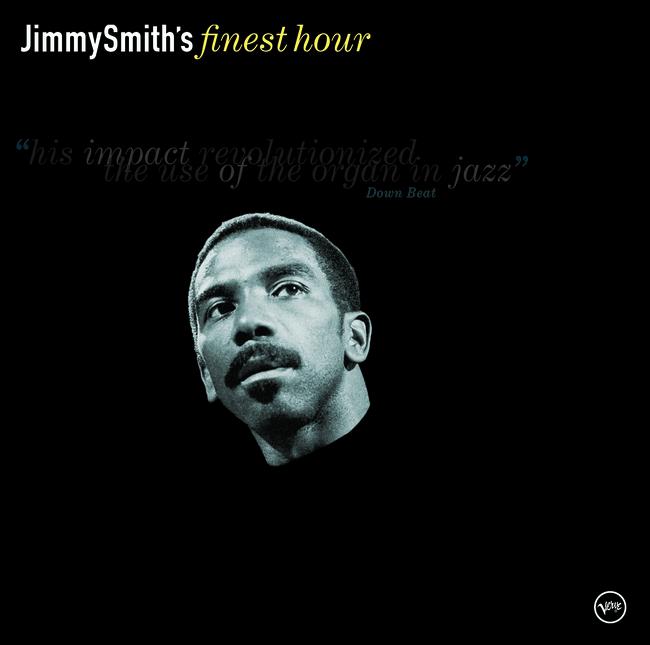
Blacksmith: exploring the world of Jimmy Smith
Blacksmith- Album Overview
"Blacksmith" is a celebrated album by the jazz organist Jimmy Smith, released in 1969 under the Verve Records label. This album showcases Smith's remarkable ability to blend jazz, blues, and soul, encapsulating the essence of the late 1960s jazz scene. Recorded during a prolific period in his career, "Blacksmith" features a stellar lineup of musicians including guitarist George Benson and drummer Idris Muhammad, both of whom contribute to the album's vibrant sound.
The album consists of a mix of originals and covers, highlighting Smith’s improvisational skills and his innovative use of the Hammond B-3 organ. The tracks vary from upbeat, soulful grooves to more contemplative melodies, reflecting Smith's versatility as a performer. Notable tracks include "Ain't That a Kick in the Head" and "The Preacher," which are both infused with Smith's signature rhythmic flair and emotive playing style.
"Blacksmith" came at a time when jazz was evolving, and Smith's work has often been credited with bridging the gap between jazz and popular music. The album is not just a showcase of technical prowess but also a cultural artifact that captures the spirit of an era marked by change and experimentation. The album did not produce any major singles but remains a significant entry in Smith's discography, often celebrated by enthusiasts for its musical depth and creative arrangements.
Review
"Blacksmith" is a vibrant testament to Jimmy Smith's artistry and innovation. The album opens with a punchy rendition of "Ain't That a Kick in the Head," where Smith's organ work shines brightly, complemented by Benson's fluid guitar lines. Throughout the album, Smith's improvisational prowess is evident, as he expertly navigates complex rhythms and harmonies. The synergy between the musicians is palpable, creating a lively atmosphere that invites listeners to immerse themselves in the music.
The blend of jazz with blues influences is particularly noteworthy, as it showcases Smith's ability to transcend genres while maintaining a distinctive style. While the album is predominantly instrumental, the mood conveyed through Smith's organ often tells its own story, resonating with listeners on an emotional level.
However, some tracks may feel dated to modern ears, reflecting the production techniques of the era. Despite this, the raw energy and creativity found in "Blacksmith" bolster its status as a classic, making it a must-listen for anyone interested in the evolution of jazz and the Hammond organ's place within it.
Highlights
- Masterful organ performances that blend jazz, blues, and soul seamlessly.
- Exceptional collaboration with prominent musicians like George Benson.
- Strong improvisational elements that showcase the spontaneity of jazz.
Weak points
- Some tracks may come off as dated to contemporary listeners.
- Lack of major singles might limit broader appeal.
- Production techniques may not meet modern standards.
Overall evaluation
"Blacksmith" stands as a significant work in Jimmy Smith's discography, showcasing his unparalleled talent and the dynamic interplay of jazz musicianship. While it may have its flaws, the album remains a vital piece of jazz history that offers a rich listening experience.
Personal rating: 8/10 1969Further Adventures of Jimmy and Wes
 1963Back at the Chicken Shack
 1963Any Number Can Win