
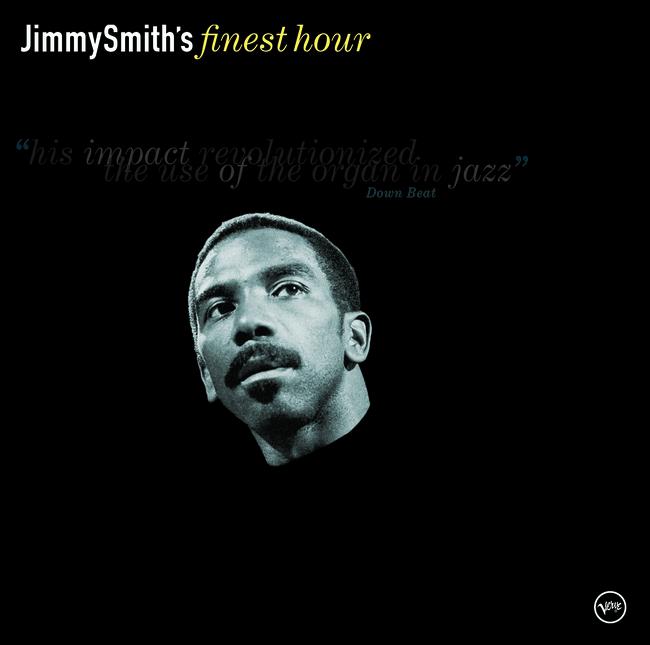
Portuguese Soul: exploring the world of Jimmy Smith
Portuguese Soul- Album Overview
Portuguese Soul is a captivating album by the legendary American jazz organist Jimmy Smith, released in 1972 under the RCA Victor label. Known for his innovative use of the Hammond B-3 organ, Smith's work has significantly influenced the soul jazz genre. The album showcases a rich tapestry of sounds that blend traditional jazz with the vibrant rhythms and melodies of Portuguese music, a testament to Smith's ability to incorporate diverse cultural influences into his music.
The recording sessions took place in New York City, where Smith collaborated with an ensemble of talented musicians, including guitarist George Benson, drummer Idris Muhammad, and saxophonist Jimmy McGriff. This diverse lineup brought a unique synergy to the album, combining the improvisational essence of jazz with the intricate patterns of Portuguese folk music. Notable tracks include "Fado," which pays homage to the Portuguese musical tradition, and "Samba," where Smith's organ work shines through with its infectious groove.
The album's singles, such as "Ain't That a Groove," received considerable airplay and contributed to Smith's growing popularity in the early 1970s. Portuguese Soul not only showcases Smith's virtuosity as an organist but also serves as a cultural bridge, introducing jazz audiences to the soulful sounds of Portugal. Its significance lies in its ability to blend genres, paving the way for future artists to explore cross-cultural musical fusions.
Review
In Portuguese Soul, Jimmy Smith delivers a masterclass in blending jazz with the intricate melodies of Portuguese music. The album's sound is characterized by Smith's signature Hammond B-3 organ, which dances gracefully through each track, complemented by the rhythmic pulse of the accompanying musicians. The production is polished yet retains an organic feel, allowing the improvisational spirit of jazz to flourish.
The lyrics, while often minimal, encapsulate the essence of the musical themes explored throughout the album. Each track tells a story, with the emotional depth of the music resonating with listeners. Smith's artistic vision shines brightly as he navigates through various tempos and styles, making each song a unique listening experience. The incorporation of traditional Portuguese sounds not only highlights Smith’s versatility but also pays tribute to the rich cultural heritage of the music.
Highlights
- Innovative fusion of jazz and Portuguese music.
- Exceptional performances by a talented ensemble of musicians.
- Memorable tracks that showcase Smith's virtuosity on the Hammond B-3 organ.
Weak points
- Some tracks may feel less accessible to listeners unfamiliar with Portuguese musical traditions.
- The overall production may lack the raw edge that some jazz purists prefer.
- Occasional repetitive structures that could have benefited from more variation.
Overall evaluation
Portuguese Soul stands as a significant entry in Jimmy Smith's discography, showcasing his ability to transcend musical boundaries and create a rich auditory experience. The album's innovative blend of genres and cultural influences makes it a remarkable listen for jazz enthusiasts and casual listeners alike.
Personal rating: 8/10 1969Further Adventures of Jimmy and Wes
 1963Back at the Chicken Shack
 1963Any Number Can Win