Biography
Jimmy Smith: history and sound
Jimmy Smith has become a well known name in musical history. He has written some of the most iconic and meaningful songs around, joyfully captivating audiences for years through his art. His discography boasts a combination of exemplary albums including timeless records such as 2005's Hidden Agenda and 2009's Dance For Freesia, featuring melodies that get people up on their feet and expressing their emotions to the fullest. His contributions in popularizing jazz music still resonates today with future artists looking up to him as inspiration.
The Legendary Sounds of Jimmy Smith - A Musical Journey
Inarguably one of the most influential jazz organists of all time, Jimmy Smith's unique sounds have left an indelible impact on the music industry. With his inventive and masterful approach to the Hammond B-3 organ, Smith redefined what was possible on the instrument, paving the way for generations of jazz organists to come. Let's delve into the life and legacy of Jimmy Smith, from his humble beginnings to the heights of his musical success.
James Oscar Smith was born on December 8, 1925, in Norristown, Pennsylvania. As a child, he played piano, bass, and organ in various local bands, but it wasn't until he was serving in the navy during World War II that he would discover his signature instrument, the Hammond B-3 organ. After the war, Smith moved to Philadelphia and started recording with various groups, eventually landing a solo contract with Blue Note Records in 1956.
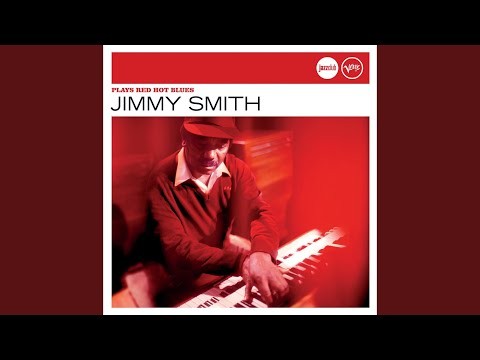
Throughout his career, Smith developed a unique approach to the Hammond B-3 that involved playing bass lines with his feet while his hands danced across the keys and manipulated the organ's drawbars, creating a swirling, percussive sound that was distinctly his own. He was also known for his engaging and charismatic stage presence, often addressing the audience with humorous banter in between songs.
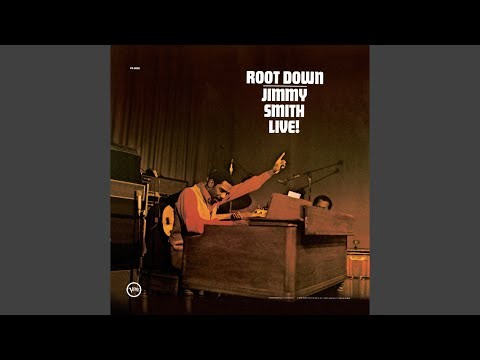
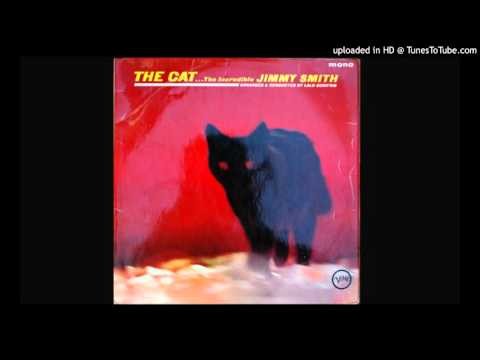
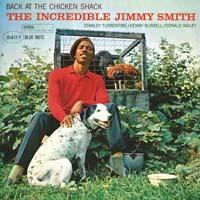
Some of Jimmy Smith's most famous tracks include The Cat, Root Down, Back at the Chicken Shack, and his version of When Johnny Comes Marching Home, among others. With his innovative use of the Hammond B-3, Smith influenced a range of genres, from soul to funk to rock, and many musicians have cited him as a major inspiration over the years.
Smith was also famous for his electrifying live performances, including famous appearances at the Newport Jazz Festival and the Montreux Jazz Festival. One of his most celebrated concerts was at the Village Gate in New York in 1965, which was later released as the album Jimmy Smith Live at the Village Gate, showcasing his impeccable musicianship, showmanship, and ability to connect with the crowd.
As with any artist, Jimmy Smith was not without his critics. Some have criticized his reliance on the B-3 and accused him of being formulaic in his approach to music. However, his contributions to jazz and beyond remain undeniable, as his fusion of blues, jazz, and soul helped bridge the gap between genres and created a sound that was truly singular.
In short, Jimmy Smith's legacy is one that continues to endure to this day. His groundbreaking contributions to the Hammond B-3 organ have influenced countless musicians, and his gift for fusing genres has paved the way for the many musical hybrids that we enjoy today. From his early beginnings playing in obscure local clubs to his celebrated performances at some of the world's biggest jazz festivals, Jimmy Smith was a true musical pioneer whose sounds will continue to delight and inspire for years to come.
The Legendary Sounds of Jimmy Smith - A Musical Journey
Inarguably one of the most influential jazz organists of all time, Jimmy Smith's unique sounds have left an indelible impact on the music industry. With his inventive and masterful approach to the Hammond B-3 organ, Smith redefined what was possible on the instrument, paving the way for generations of jazz organists to come. Let's delve into the life and legacy of Jimmy Smith, from his humble beginnings to the heights of his musical success.
James Oscar Smith was born on December 8, 1925, in Norristown, Pennsylvania. As a child, he played piano, bass, and organ in various local bands, but it wasn't until he was serving in the navy during World War II that he would discover his signature instrument, the Hammond B-3 organ. After the war, Smith moved to Philadelphia and started recording with various groups, eventually landing a solo contract with Blue Note Records in 1956.
Throughout his career, Smith developed a unique approach to the Hammond B-3 that involved playing bass lines with his feet while his hands danced across the keys and manipulated the organ's drawbars, creating a swirling, percussive sound that was distinctly his own. He was also known for his engaging and charismatic stage presence, often addressing the audience with humorous banter in between songs.
Some of Jimmy Smith's most famous tracks include The Cat, Root Down, Back at the Chicken Shack, and his version of When Johnny Comes Marching Home, among others. With his innovative use of the Hammond B-3, Smith influenced a range of genres, from soul to funk to rock, and many musicians have cited him as a major inspiration over the years.
Smith was also famous for his electrifying live performances, including famous appearances at the Newport Jazz Festival and the Montreux Jazz Festival. One of his most celebrated concerts was at the Village Gate in New York in 1965, which was later released as the album Jimmy Smith Live at the Village Gate, showcasing his impeccable musicianship, showmanship, and ability to connect with the crowd.
As with any artist, Jimmy Smith was not without his critics. Some have criticized his reliance on the B-3 and accused him of being formulaic in his approach to music. However, his contributions to jazz and beyond remain undeniable, as his fusion of blues, jazz, and soul helped bridge the gap between genres and created a sound that was truly singular.
In short, Jimmy Smith's legacy is one that continues to endure to this day. His groundbreaking contributions to the Hammond B-3 organ have influenced countless musicians, and his gift for fusing genres has paved the way for the many musical hybrids that we enjoy today. From his early beginnings playing in obscure local clubs to his celebrated performances at some of the world's biggest jazz festivals, Jimmy Smith was a true musical pioneer whose sounds will continue to delight and inspire for years to come.