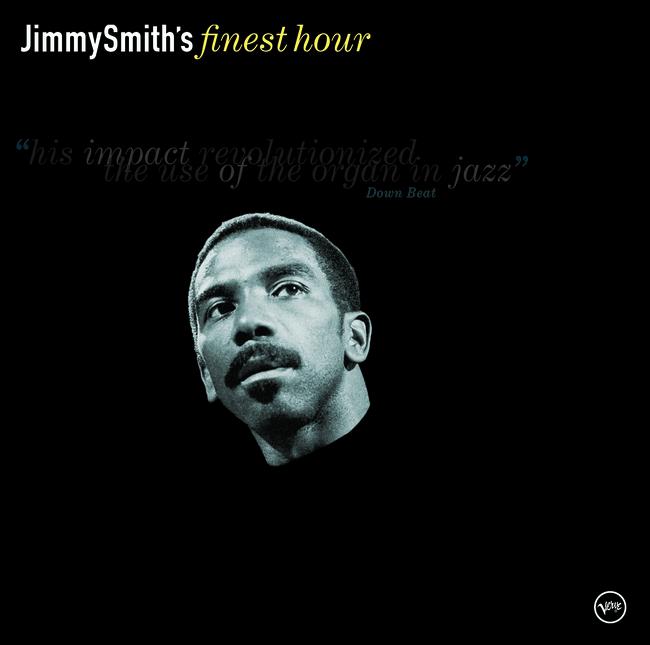
Jimmy Smith is one of the most influential figures in music, especially for listeners who love jazz. Having been credited with pioneering the Hammond organ sound in jazz and popularizing it to wider audiences, Jimmy Smith has gone down in history as an iconic figure of the genre. His influence on modern jazz and funk cannot be denied, as his works from his career continue to evoke awe and appreciation today. However, no artist can please everyone all of the time and there have also been some criticisms about Jimmy Smith's work over the years. In this blog post we will explore both sides of Jimmy Smith, looking at what makes him so great as well as exploring any issues that may have come up during his celebrated career.
Jazz fans around the world all know the name of Jimmy Smith for pioneering the sound of the Hammond organ in the genre. His contribution to the music scene is immense, and his works continue to inspire modern jazz and funk enthusiasts. However, as with any iconic figure, criticisms have arisen, and Jimmy Smith is no exception. In this blog post, we'll dissect both the positive and negative aspects of Jimmy Smith's life and legacy to provide a better understanding of this legendary jazz musician.
Born in Norristown, Pennsylvania, in 1928, Jimmy Smith came from a family of an oversized talent for music. His love for the Hammond B-3 organ set him apart from his peers early on. Crawling all the way from nightclubs in Philadelphia and New York to the Montreux Jazz Festival in Switzerland, Jimmy Smith found his sound and earned him a special place in jazz history. His smooth and fluid style transformed the instrument and brought it to the forefront of the genre in the 1950s and '60s. Jimmy's music was punctuated by his colorful and melodic solos, while his collaborations with trumpet legend Lee Morgan and guitarist Wes Montgomery became the backbone of his influence.
While he's widely recognized for popularising the Hammond organ in jazz music, some criticisms have arisen over the years. Detractors have suggested that Jimmy Smith's phrasing and improvisation could become repetitive and less exciting. Critics also claimed that his music was too commercialized, and that he wasn't experimental enough. However, despite these criticisms, it's important to note that no one can deny his contribution to the development of jazz as a genre.
It's also worth mentioning that outside of his music, Jimmy Smith encountered his fair share of difficulties. His diverse musical interests led him to experiment with different genres, and his pursuit of creative freedom landed him in conflict with music executives and jazz purists. Additionally, Jimmy struggled with drug addiction, which ultimately led to the peak of his career in the 1960s.
In conclusion, Jimmy Smith's influence on jazz music cannot be overstated. His ability to bring the Hammond organ to the forefront of jazz and make it a recognizable instrument in the genre is a testament to his talent and creativity. While there have been criticisms of his work, it's important to appreciate his contributions to music and his legacy as a trailblazer in his field. As we look back on Jimmy Smith's life, it's clear that his music will continue to inspire generations of jazz lovers for years to come.