
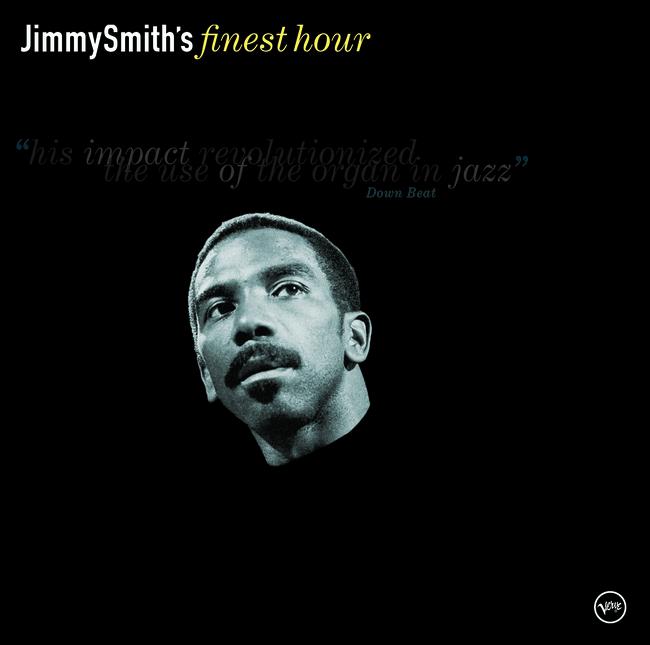
Listening to Open House by Jimmy Smith
Open House- Album Overview
Released in 1962, "Open House" is a significant entry in the jazz genre, showcasing the dynamic talent of organist Jimmy Smith. The album was produced by the prestigious Blue Note Records, a label synonymous with jazz excellence. Recorded at the Van Gelder Studio in Englewood Cliffs, New Jersey, the album features a rich blend of soul jazz and hard bop, characteristic of Smith's innovative style. Collaborating with Smith on this album are notable musicians such as guitarist Kenny Burrell and drummer Elvin Jones, both of whom contribute to the album's vibrant energy and sophistication.
"Open House" consists of seven tracks, including standout pieces such as "The Cat" and "The Preacher," which have become staples in Smith's repertoire. Each track showcases Smith's virtuosic command of the Hammond B-3 organ, blending bluesy motifs with complex jazz rhythms. The album's composition reflects a transitional period in jazz, where the boundaries of traditional forms were being pushed, and Smith's work played a crucial role in popularizing the organ as a lead instrument in jazz ensembles.
The album's release was met with critical acclaim, and it contributed to the growing popularity of organ-led jazz during the 1960s. Smith's ability to fuse gospel, blues, and jazz elements not only made "Open House" a commercial success but also cemented his influence in the jazz community. The singles from the album have been referenced and covered by countless artists, attesting to its lasting impact and significance in the genre.
Review
"Open House" serves as an exquisite showcase for Jimmy Smith's dexterity and creativity as a jazz organist. The album opens with "The Cat," immediately establishing a playful yet sophisticated tone that persists throughout the record. Smith's improvisational skills shine as he effortlessly navigates complex melodies and harmonies, bringing a sense of spontaneity to each track.
The interplay between Smith's organ and Burrell's guitar creates a lush sonic landscape, allowing for moments of introspection amidst the upbeat tempos. The rhythm section, anchored by Jones's dynamic drumming, maintains an infectious groove that invites listeners to tap their feet along. While the album primarily highlights instrumental prowess, the absence of vocals allows Smith's emotive playing to take center stage, communicating feelings that transcend words.
Overall, "Open House" encapsulates the essence of jazz during its era, forging a unique identity that blends soul, blues, and improvisation. Smith's artistic vision is clearly articulated through his innovative arrangements and superb musicianship, making the album not only a milestone in his career but also a landmark in the evolution of jazz music.
Highlights
- Exceptional musicianship from Jimmy Smith and his collaborators
- Dynamic blending of jazz, blues, and gospel influences
- Memorable tracks that have stood the test of time
Weak points
- Some tracks may feel repetitive to listeners unfamiliar with jazz
- Limited vocal elements could alienate fans of vocal jazz
- Production quality, while good, is reflective of its time and may not appeal to modern ears
Overall evaluation
"Open House" by Jimmy Smith is a quintessential jazz album that showcases the brilliance of organ-led compositions. Its rich musicality and historic significance make it a must-listen for any jazz enthusiast.
Personal rating: 9/10 1969Further Adventures of Jimmy and Wes
 1963Back at the Chicken Shack
 1963Any Number Can Win