
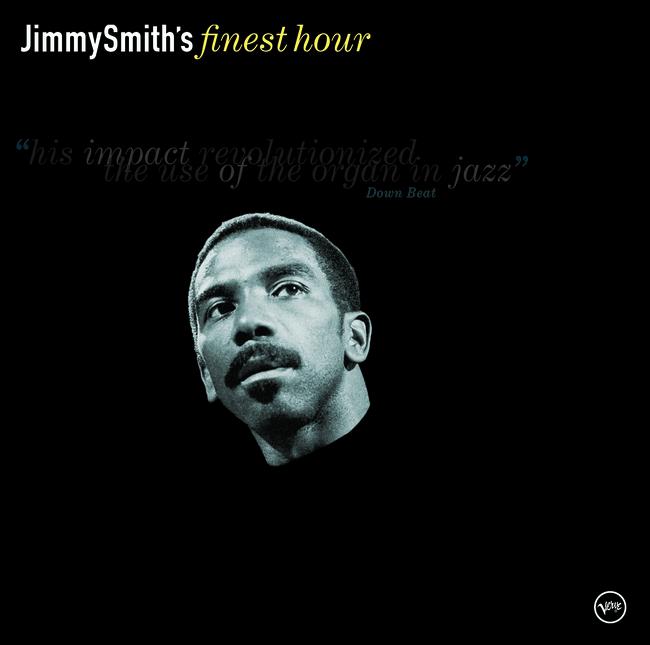
The evolution of Jimmy Smith in Daybreak
Daybreak- Album Overview
"Daybreak," released in 1978, marks a significant moment in the illustrious career of organist Jimmy Smith, a pioneer of the jazz and soul-jazz genres. This album was released under the prestigious Verve Records label, known for its commitment to high-quality jazz recordings. "Daybreak" showcases Smith's exceptional skills on the Hammond B-3 organ, blending traditional jazz elements with funk and soul influences that emerged in the late 1970s. The recording sessions took place at the renowned Van Gelder Studio, a pivotal site in the history of jazz music, where many iconic albums were crafted.
Collaborating with Smith on this album are talented musicians including guitarist George Benson and drummer Idris Muhammad, both of whom contribute layers of texture and rhythm to the overall sound. "Daybreak" features an array of tracks that highlight Smith's innovative approach to improvisation and composition. Among these tracks, the title piece "Daybreak," alongside "Lover Man" and "Ain’t That a Kick in the Head," stands out as a testament to Smith's ability to fuse melodic lines with intricate harmonies.
The cultural significance of "Daybreak" is notable; it captures a transitional period in jazz where the genre began to embrace more mainstream and popular influences. This album reflects Smith's evolution as an artist, adapting to the changing musical landscape while remaining true to his roots. Singles from the album contributed to Smith's enduring legacy, influencing a new generation of musicians who sought to explore the boundaries of jazz.
Review
The sound of "Daybreak" is a rich tapestry woven with intricate organ melodies, tight-knit rhythms, and soulful improvisations. Smith's mastery of the Hammond organ shines through, as he effortlessly transitions between playful, upbeat tracks and more introspective pieces. The album captures a sense of warmth and optimism, encapsulated in its title track, where Smith's vibrant organ work is complemented by Benson's smooth guitar lines.
Lyrically, the album leans heavily on the instrumental prowess of its musicians, allowing each track to speak through sound rather than words. This instrumental focus is indicative of Smith's artistic vision, emphasizing the emotional depth that can be conveyed through music alone. The blending of jazz with funk elements provides an infectious groove that invites listeners to engage and move, showcasing Smith's ability to innovate while honoring the traditions of jazz.
Highlights
- Exceptional organ work that showcases Smith’s virtuosity
- Seamless blending of jazz, funk, and soul elements
- Strong collaborative performances from notable musicians like George Benson
Weak points
- Some tracks may lack the complexity found in Smith's earlier works
- Production quality varies slightly across different tracks
- Occasional reliance on familiar clichés in jazz improvisation
Overall evaluation
"Daybreak" stands as a significant work in Jimmy Smith's discography, illustrating his growth and adaptability in a changing musical landscape. While it may not reach the heights of his earlier classics, it still offers a delightful listening experience that resonates with fans of jazz and beyond.
Personal rating: 8/10 1969Further Adventures of Jimmy and Wes
 1963Back at the Chicken Shack
 1963Any Number Can Win