
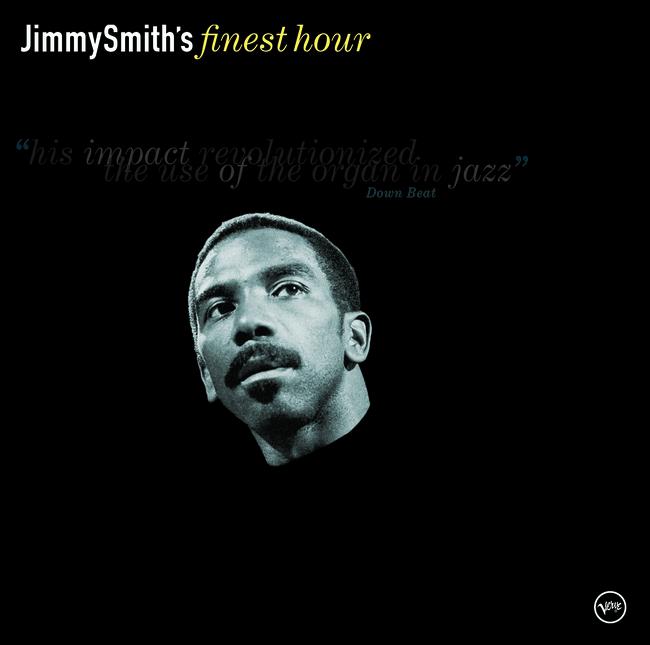
One week with House Party: thoughts on Jimmy Smith
House Party- Album Overview
"House Party," released in 1962, is a seminal album by jazz organist Jimmy Smith, a pivotal figure in the development of the soul jazz genre. The album was released under the Blue Note label, known for its high-quality jazz recordings and influential artists. Smith's innovative approach to the Hammond B-3 organ, characterized by its distinctive sound and versatility, is on full display throughout this record. The album features a mixture of original compositions and standards, showcasing Smith's ability to blend improvisation with structured arrangements.
The recording of "House Party" took place in the iconic Van Gelder Studio, known for its exceptional acoustics and its role in producing numerous classic jazz albums. Collaborators on this project include notable musicians such as guitarist Kenny Burrell and drummer Elvin Jones, both of whom contribute significantly to the album's dynamic sound. The lineup also features tenor saxophonist George Coleman and trumpeter Lee Morgan, enhancing the album's rich, layered texture.
Notable tracks include "Back at the Chicken Shack," which has become a signature piece for Smith, and "The Cat," both of which encapsulate the playful yet sophisticated nature of Smith's musical style. The album's mix of upbeat tracks and slower, more contemplative pieces reflects the vibrant jazz scene of the early 1960s, making "House Party" not only a staple in Smith's discography but also a significant contribution to the soul jazz movement. The album's cultural significance is underscored by its enduring influence on both jazz and popular music, with many artists citing Smith's work as a major inspiration.
Review
"House Party" is a joyous celebration of jazz, with Jimmy Smith at the helm guiding listeners through a lively and engaging soundscape. The album opens with an infectious energy, immediately drawing the listener in with its rhythmic grooves and Smith's signature organ riffs. His mastery of the Hammond B-3 is evident, as he seamlessly blends intricate melodies with spontaneous improvisations, creating an atmosphere that feels both spontaneous and meticulously crafted.
While the album does not feature lyrics, the music itself tells a story, with each track offering a unique emotional experience. The interplay between Smith's organ and the accompanying musicians is a testament to the collaborative spirit of jazz, with each artist contributing their own flair to the overall sound. The production is crisp and clear, allowing the nuances of each instrument to shine through, making it easy for listeners to appreciate the intricate musicianship on display.
Artistically, "House Party" reflects a pivotal moment in jazz history, where the boundaries between different genres began to blur. Smith's ability to incorporate elements of blues and soul into traditional jazz forms makes this album a landmark in the evolution of the genre, appealing to both jazz purists and newcomers to the scene alike.
Highlights
- Exceptional musicianship from Jimmy Smith and a stellar supporting cast
- Innovative blend of jazz, blues, and soul elements
- Timeless tracks that continue to resonate with audiences today
Weak points
- Some tracks may feel repetitive for listeners unfamiliar with jazz
- The album's length might be perceived as excessive by casual listeners
- Lack of vocal tracks may limit appeal for those seeking lyrical content
Overall evaluation
"House Party" stands as a testament to Jimmy Smith's genius and the vibrant jazz scene of the early 1960s. It captures the essence of soul jazz while showcasing the talents of some of the genre's most influential musicians. Though it may not appeal to everyone due to its instrumental focus, it remains a crucial piece of jazz history.
Personal rating: 9/10 1969Further Adventures of Jimmy and Wes
 1963Back at the Chicken Shack
 1963Any Number Can Win