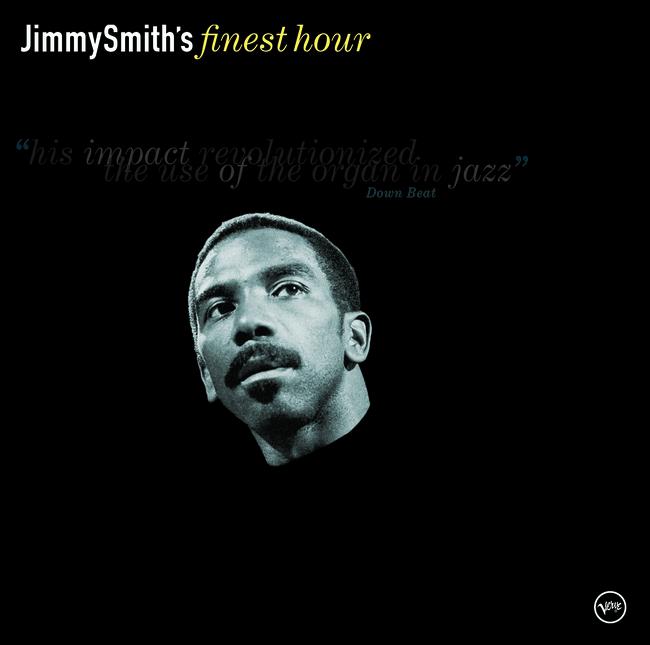
Jazz music has produced some of the most legendary artists in history, and Jimmy Smith is one of them. Smith was a legendary organist who revolutionized the role of the Hammond B-3 organ in jazz music in the 1950s and 1960s. In many ways, he was the inventor of a new and unique style that combined blues, bebop, and soul. In this blog post, we'll take a journey through the fascinating life and career of Jimmy Smith, exploring his beginnings, his most famous albums, songs, and the influences that helped shape his musical style.
Jimmy Smith was born in Norristown, Pennsylvania, on December 8, 1925. He grew up in a musical family, and his father played the piano, while his mother was a church singer. As a teenager, he took up the drums and later turned his interest in boogie-woogie piano into the Hammond B-3 organ. By the late 1940s, he had started performing in Philadelphia's jazz clubs before heading to New York City in the early 1950s. He played with some of the top musicians of the day, including Don Gardner, Lou Donaldson and Kenny Burrell.
By 1956, Jimmy Smith got the record deal he had longed for, and he released his debut album, A New Sound, A New Star: Jimmy Smith at the Organ, Vol. 1. The album was an instant hit, and it ushered in a new era of jazz organist artistry. He followed it up with a series of classic albums like Back at the Chicken Shack, The Sermon!, Midnight Special, and House Party. Jimmy Smith integrated elements of bebop, blues, soul, and gospel into his style, creating a sound that was uniquely his own. He was known for his virtuosity on the Hammond B-3, using his left hand to create basslines while playing chords and melodies in the right hand.
One of Jimmy Smith's most famous songs is The Sermon. Released on a 1958 album of the same name, the tune features Smith and his bandmates taking turns making 'sermons' or extended solos on top of an infectious bluesy riff. The Sermon became something of a signature tune for Smith, and it helped to cement his position as one of the most significant and influential jazz musicians of the 1950s and 1960s.
Jimmy Smith's musical style drew from various influences. Still, he was particularly inspired by the blues and gospel music of the African American Church. He was known for his intricate playing style, which emphasized deep grooves, complex harmonies, and a strong sense of swing. At a time when jazz was becoming increasingly experimental, Jimmy Smith's style was an essential link between the blues and jazz worlds.
Jimmy Smith was a true innovator, and his impact on jazz music cannot be overstated. He took a relatively modest instrument, the Hammond B-3 organ, and transformed it into a powerful tool that could create vibrant, soulful jazz music. His music continues to inspire musicians to this day and serves as a testament to the power of creativity and individualism in music. If you are looking to experience the pure magic of jazz, then Jimmy Smith's music is a great place to start.