
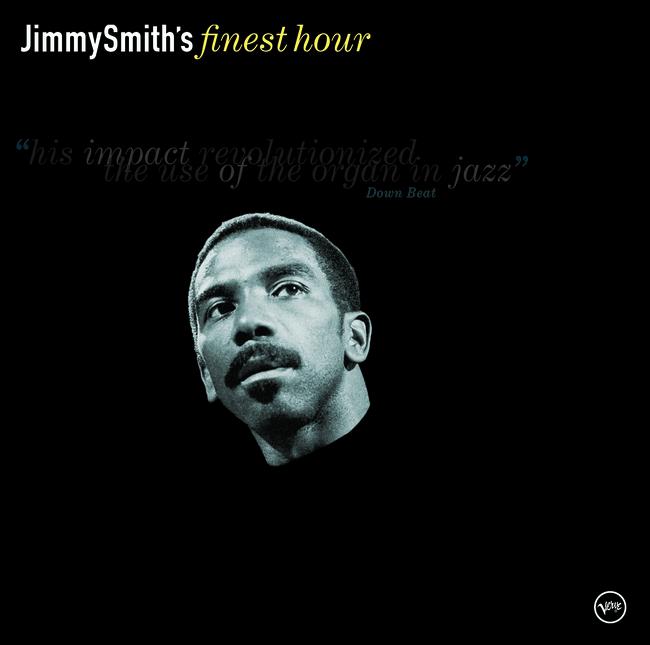
The evolution of Jimmy Smith in Got My Mojo Working / Hoochie Coochie Man
Got My Mojo Working / Hoochie Coochie Man- Album Overview
Released in 1967, "Got My Mojo Working / Hoochie Coochie Man" stands as a significant entry in the discography of jazz organist Jimmy Smith. This album was issued on the Verve Records label, a renowned platform for jazz artists during the 1960s. Smith, known for popularizing the Hammond B-3 organ in jazz, brought together an impressive ensemble for this recording, including guitarist Kenny Burrell, drummer Grady Tate, and saxophonist George Coleman, who contributed to the album's rich, blues-influenced sound. The sessions were recorded at the Van Gelder Studio, a legendary venue for jazz recordings, which ensured a high-quality production that captured the essence of Smith's dynamic performances.
The album features two standout tracks: "Got My Mojo Working," a cover of the classic blues number originally by Muddy Waters, and "Hoochie Coochie Man," another blues staple that showcases Smith’s ability to infuse jazz with blues elements. This collection not only highlights Smith’s technical prowess on the organ but also pays homage to the deep roots of American music, blending jazz, soul, and blues into an engaging experience. The singles from this album helped cement Smith's reputation as a pioneer of the jazz organ genre, influencing countless musicians in the years that followed. With "Got My Mojo Working / Hoochie Coochie Man," Smith not only evolved his sound but also contributed to the cultural landscape of the 1960s, where jazz began to intersect with the burgeoning blues and rock scenes.
Review
The sound of "Got My Mojo Working / Hoochie Coochie Man" is a masterclass in blending genres, with Smith’s virtuosic organ playing taking center stage. The album opens with a vibrant rendition of "Got My Mojo Working," where Smith’s improvisational skills shine, showcasing his ability to navigate complex melodies while maintaining a groove that compels listeners to sway. The bluesy undertones of the tracks reflect Smith’s deep appreciation for the genre, and his interpretations feel both fresh and respectful to the originals.
Lyrically, while the focus is more on the instrumentals, the essence of the songs speaks to themes of resilience and the power of music, which resonates with audiences across generations. Smith’s artistic vision is clear; he aims to bridge the gap between jazz and blues, creating a sound that is both accessible and sophisticated. This album solidifies his status as a crucial figure in the evolution of jazz organ music, influencing future artists to explore the interconnectedness of these genres.
Highlights
- Exceptional musicianship from Jimmy Smith and his collaborators.
- Seamless blending of jazz and blues elements, creating a unique sound.
- High-quality production from the legendary Van Gelder Studio.
Weak points
- Limited lyrical content may not engage all listeners.
- Some tracks may feel repetitive in structure.
- Overall length of the album could be considered short for some.
Overall evaluation
"Got My Mojo Working / Hoochie Coochie Man" is a testament to Jimmy Smith's artistry and his ability to transcend conventional genre boundaries. It is a must-listen for jazz enthusiasts and a great introduction for those new to the genre.
Personal rating: 8.5/10 1969Further Adventures of Jimmy and Wes
 1963Back at the Chicken Shack
 1963Any Number Can Win