
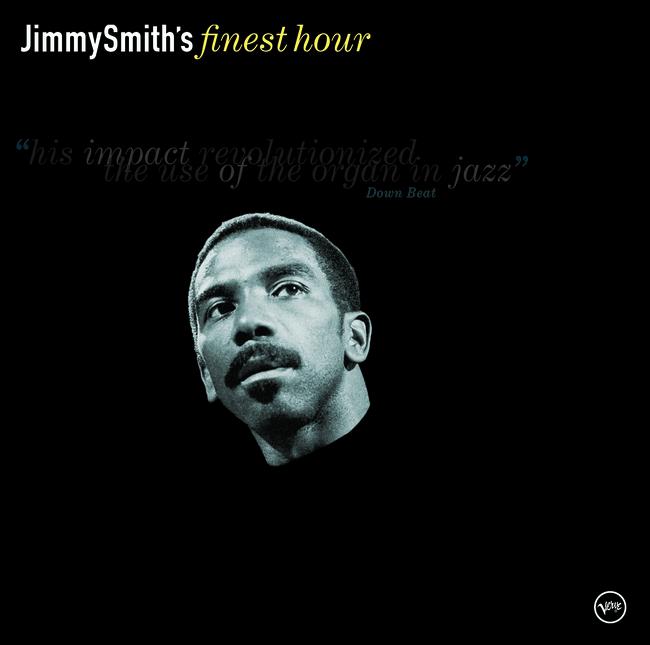
From intro to finale: what Open House / Plain Talk delivers
Open House / Plain Talk- Album Overview
Released in 1962, "Open House / Plain Talk" is a remarkable album by the legendary jazz organist Jimmy Smith, known for his innovative approach to the Hammond B-3 organ. The album was released under the Verve Records label, a prominent label in the jazz genre during the mid-20th century. "Open House" features a collection of tracks that blend elements of jazz, blues, and soul, showcasing Smith's virtuosic skill and unique sound. The recording sessions took place in New York City, where Smith collaborated with a talented ensemble of musicians, including guitarists Eddie Harris and George Benson, drummer Grady Tate, and trumpeter Jimmy Nottingham. These collaborations added rich textures and dynamic interplay to the album's tracks.
The album consists of a total of 12 tracks, with highlights including the upbeat "The Cat," which sets a lively tone, and the soulful "Back at the Chicken Shack," a beloved standard in Smith's repertoire. The duality of the album's title reflects its two distinct themes, with "Open House" embodying a more festive, celebratory sound, while "Plain Talk" leans towards a more introspective and mellow atmosphere. The intricate arrangements and Smith's improvisational prowess make this album a significant contribution to the jazz genre, influencing countless musicians and solidifying Smith's status as a master of the Hammond organ. Notably, the album's singles, particularly "The Cat," received considerable radio play, further establishing Smith's prominence in the jazz scene of the 1960s.
Review
"Open House / Plain Talk" exemplifies Jimmy Smith's extraordinary ability to fuse various musical styles, creating a sound that is both sophisticated and accessible. The album opens with the infectious groove of "The Cat," immediately drawing listeners into its vibrant world. Smith's mastery of the Hammond organ is evident as he effortlessly transitions between soulful melodies and intricate solos that showcase his technical prowess. The album's production is crisp and polished, allowing each instrument to shine while maintaining a cohesive sound.
The lyrical content, though primarily instrumental, conveys a myriad of emotions through the interplay of rhythm and melody. Tracks like "Back at the Chicken Shack" capture a playful, light-hearted spirit, while others, such as "Plain Talk," evoke a sense of introspection and depth. Smith's artistic vision is clear: he seeks to engage and entertain while simultaneously pushing the boundaries of jazz music. The album's cultural significance is notable, as it reflects the evolution of jazz during a time of great experimentation and change, making it a timeless classic.
Highlights
- Exceptional musicianship from Jimmy Smith and collaborating artists
- Innovative blend of jazz, blues, and soul influences
- Memorable tracks that remain jazz staples
Weak points
- Some tracks may feel repetitive for listeners seeking variety
- Lack of vocal tracks may limit appeal to broader audiences
- Production style may feel dated to contemporary listeners
Overall evaluation
"Open House / Plain Talk" is a significant entry in Jimmy Smith's discography, showcasing his artistry and the evolution of jazz in the early 1960s. While it has its limitations, the album remains a celebrated work that continues to resonate with jazz enthusiasts.
Personal rating: 8/10 1969Further Adventures of Jimmy and Wes
 1963Back at the Chicken Shack
 1963Any Number Can Win