
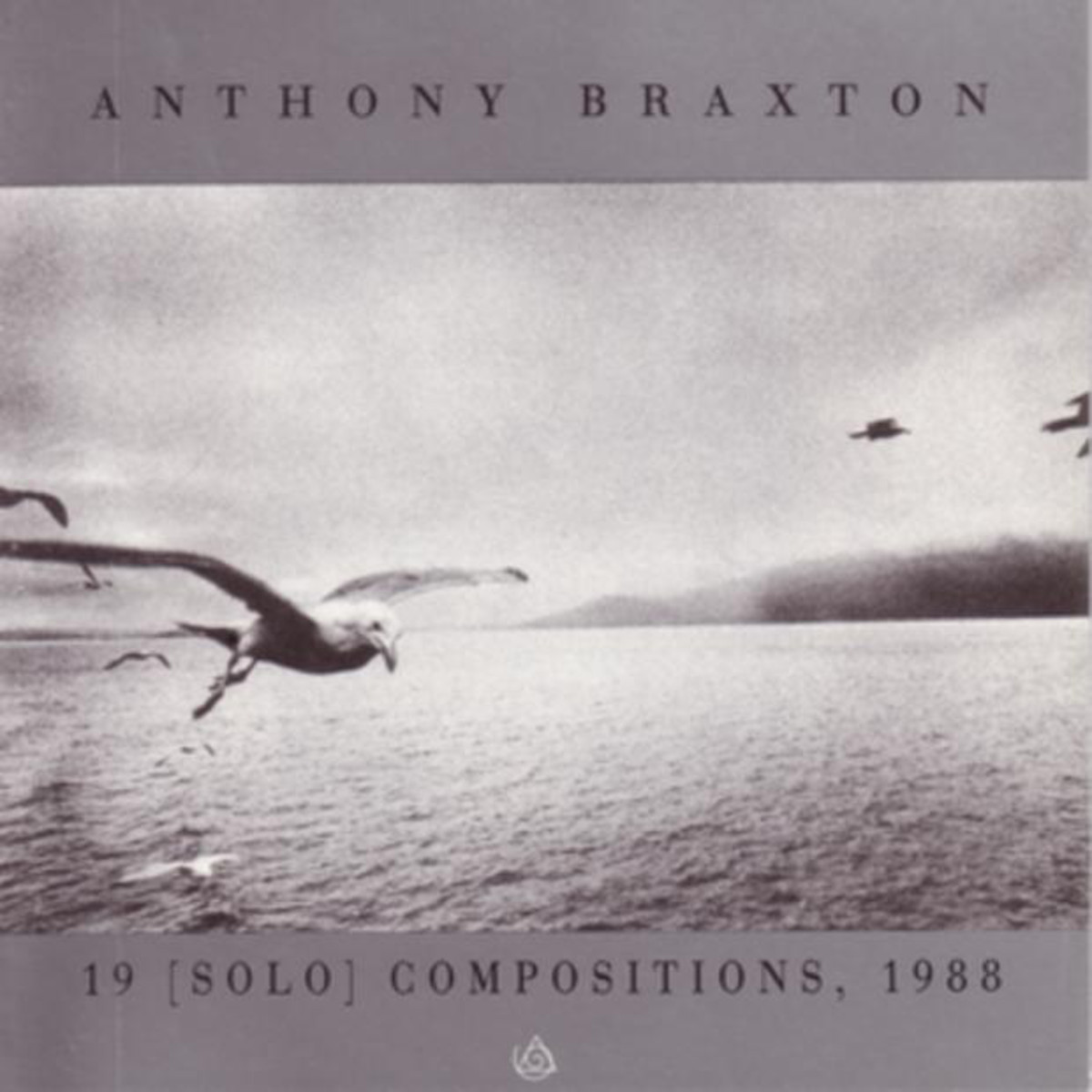
Anthony Braxton – Town Hall 1972: track-by-track perspective
Town Hall 1972- Album Overview
Released in 1973, "Town Hall 1972" is a pivotal live album by avant-garde jazz composer and multi-instrumentalist Anthony Braxton. Recorded during a concert at New York's Town Hall on February 25, 1972, the album showcases Braxton's innovative approach to jazz, blending improvisation with structured compositions. The album was released by the renowned label Arista, under its jazz imprint, and features a unique ensemble of musicians, including the likes of Leroy Jenkins on violin, Richard Teitelbaum on synthesizer, and the extraordinary drummer Barry Altschul. The concert itself was part of a broader movement in the early '70s that sought to redefine jazz, moving away from traditional forms and exploring new sonic territories. "Town Hall 1972" stands out not only for its avant-garde sound but also for its cultural significance in pushing the boundaries of jazz. The tracks are characterized by Braxton's intricate harmonic language and his profound exploration of the relationship between structure and spontaneity. This album is often regarded as a landmark recording in the field of free jazz, illustrating how improvisation can be both a personal expression and a communal experience. The recording has influenced numerous musicians and remains a touchstone for those interested in the evolution of jazz and experimental music. Notable tracks include "Composition 40" and "Composition 41," both of which exemplify Braxton's unique compositional style and his ability to fuse diverse musical elements into a cohesive whole.
Review
As one delves into "Town Hall 1972," it becomes apparent that Braxton’s artistic vision transcends conventional jazz. The album is characterized by its radical departures from melody and harmony, allowing for an exhilarating listening experience that challenges the listener's perceptions of music. The interplay between the musicians is a highlight, with spontaneous dialogues emerging from the intricate web of sounds. Braxton’s use of various horns and his strategic employment of silence contribute to the overall tension and release within the tracks. The improvisational nature of the music creates an unpredictable landscape; every listen reveals new nuances and complexities. The sonic exploration ranges from chaotic bursts of energy to serene moments of reflection, encapsulating the essence of free jazz. However, for the uninitiated, this album may come off as disjointed or inaccessible. Yet, for those willing to engage, "Town Hall 1972" serves as a profound reminder of the endless possibilities within jazz and its capacity for innovation.
Highlights
- Innovative blending of structured compositions with free improvisation
- Exceptional musicianship from an ensemble of avant-garde talents
- Cultural significance as a landmark in the evolution of jazz
Weak points
- May be challenging for listeners unfamiliar with avant-garde jazz
- Some moments may feel overly chaotic or disjointed
- Lack of conventional melodies might deter mainstream jazz fans
Overall evaluation
"Town Hall 1972" is a compelling exploration of the avant-garde jazz genre, showcasing Anthony Braxton’s exceptional talent and his innovative approach to music. While it may not cater to every taste, its significance in the jazz canon is undeniable.
Personal rating: 9/10 Tristano Compositions 1989.jpg) 1990Eight (+3) Tristano Compositions 1989
1990Eight (+3) Tristano Compositions 1989 1987Creative Orchestra Music 1976
 1979Alto Saxophone Improvisations
 19683 Compositions of New Jazz