
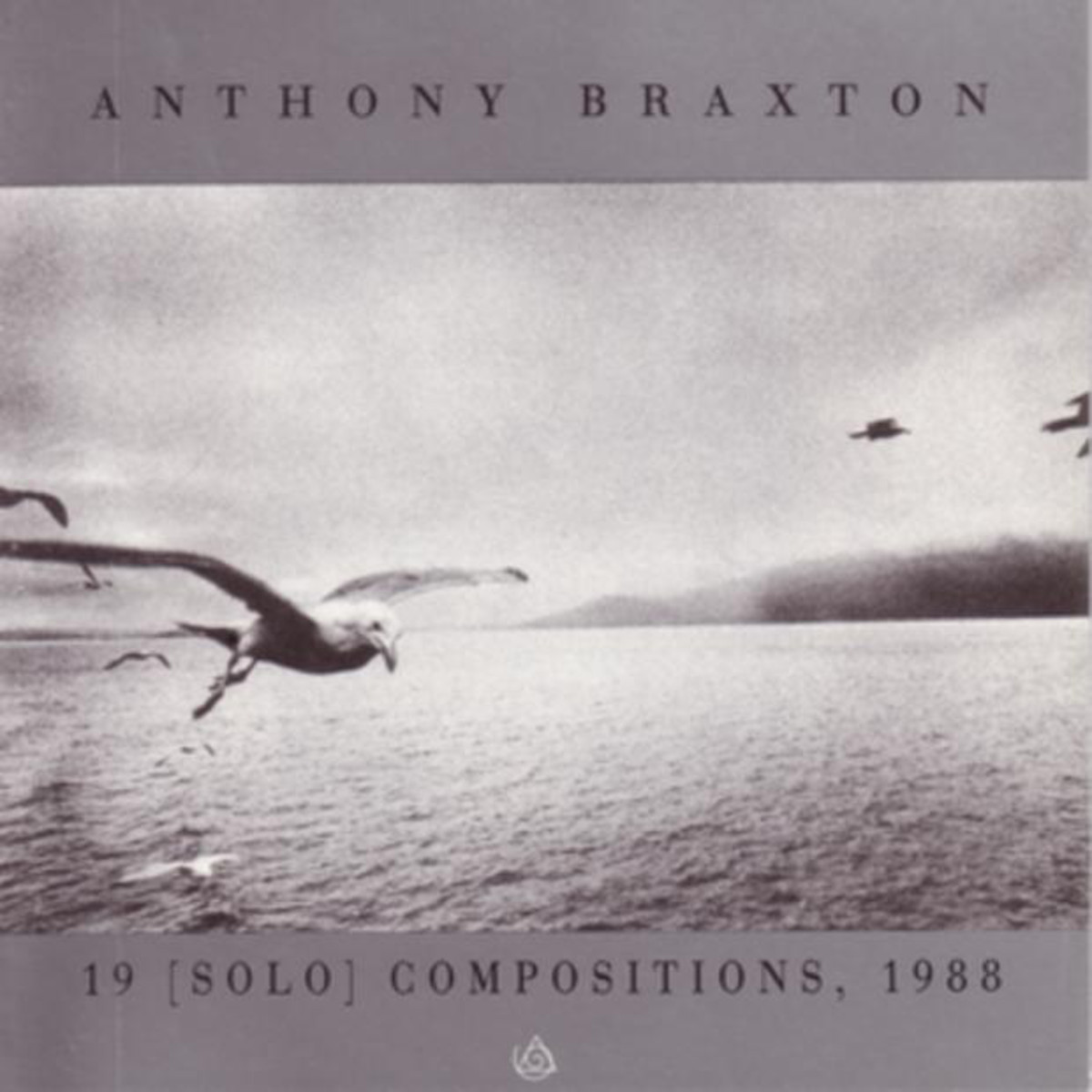
Inside the atmosphere of Anthony Braxton's Seven Standards 1985, Volume Ii
Seven Standards 1985, Volume Ii- Album Overview
Released in 1985 under the label Black Saint, "Seven Standards 1985, Volume Ii" is a significant entry in Anthony Braxton's extensive discography. This album showcases Braxton's unique approach to the jazz genre, blending avant-garde elements with more traditional standards. The recordings took place during a period when Braxton was exploring the boundaries of jazz, and this project reflects his dedication to reinterpreting established works through an innovative lens.
The album features a range of compositions that are rooted in the jazz tradition yet are infused with Braxton's distinctive avant-garde flair. Collaborators on this project include notable musicians such as John Lindberg on bass and Pheeroan akLaff on drums, both of whom contribute to the album's dynamic sound. The synergy between Braxton and his collaborators is evident, as they navigate complex improvisations and intricate arrangements with remarkable cohesion.
Significantly, this album is part of Braxton's larger study of jazz standards, which he sought to expand and reinterpret. His approach invites listeners to reconsider the familiar melodies and structures of jazz, infusing them with a fresh perspective. The album's release during the mid-1980s places it at a time when jazz was experiencing a renaissance, making it an essential listen for those interested in the evolving landscape of the genre. "Seven Standards 1985, Volume Ii" stands not just as a collection of tracks but as a thoughtful exploration of jazz's past and future.
Review
In "Seven Standards 1985, Volume Ii," Braxton's profound musical vision shines through, as he deftly navigates the intersection of traditional jazz and avant-garde experimentation. The album opens with a thrilling rendition of standards that feels both familiar and refreshingly new, showcasing Braxton's ability to breathe new life into classic compositions. His signature use of extended techniques on the alto saxophone adds an engaging complexity to the sound, challenging the listener's expectations.
The interplay between Braxton and his bandmates is captivating, with each musician contributing unique textures that enhance the overall sonic landscape. The rhythm section, anchored by Lindberg and akLaff, provides a vibrant foundation that allows Braxton's improvisational flights to soar. The production quality is high, capturing the essence of the live recordings, which adds an organic feel to the album.
However, the album may not appeal to all jazz listeners, especially those who prefer straightforward interpretations of standards. Braxton's avant-garde approach can be polarizing, demanding a level of engagement that may be challenging for some. Nonetheless, for those willing to embrace its complexities, "Seven Standards 1985, Volume Ii" offers a rewarding experience that deepens one's appreciation for the genre.
Highlights
- Innovative reinterpretations of jazz standards.
- Stellar collaboration with talented musicians.
- High production quality that captures the live energy of the recordings.
Weak points
- May be challenging for listeners preferring traditional jazz.
- Some tracks may feel abstract or dense.
- Lack of commercial appeal compared to mainstream jazz releases.
Overall evaluation
"Seven Standards 1985, Volume Ii" is a profound exploration of jazz that reflects Anthony Braxton's artistic vision and innovation. It stands as a testament to the possibilities within the genre, offering a fresh take on familiar melodies while challenging listeners to expand their musical horizons.
Personal rating: 8/10 Tristano Compositions 1989.jpg) 1990Eight (+3) Tristano Compositions 1989
1990Eight (+3) Tristano Compositions 1989 1987Creative Orchestra Music 1976
 1979Alto Saxophone Improvisations
 19683 Compositions of New Jazz