
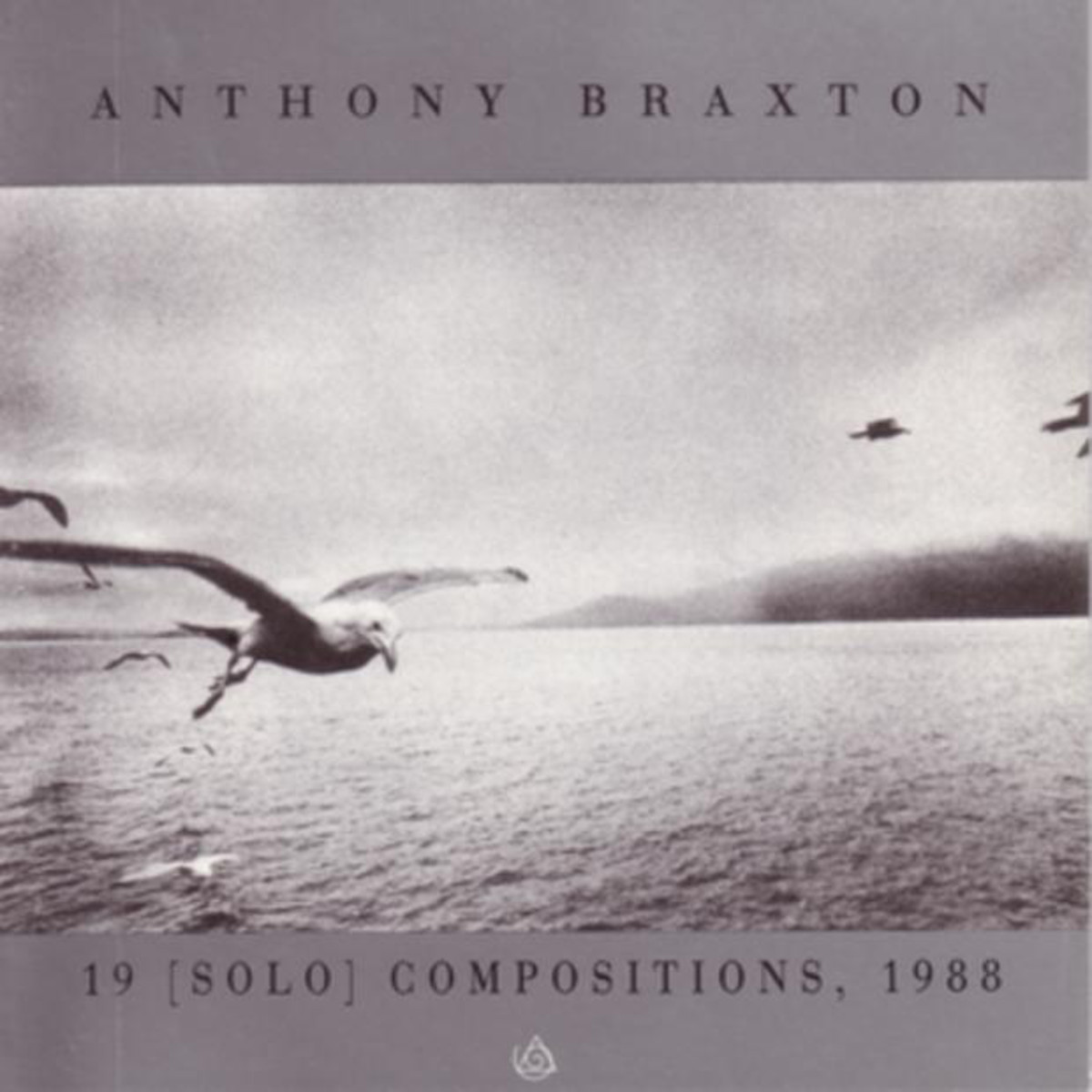
How Anthony Braxton shaped the sound of A Memory Of Vienna
A Memory Of Vienna- Album Overview
"A Memory Of Vienna," released in 1992, is a remarkable album by the avant-garde jazz musician Anthony Braxton. This work is a tribute to the rich musical heritage of Vienna, encapsulating the city’s historical significance in classical music while infusing it with Braxton's unique experimental approach. The album was released under the label Hat Art and showcases Braxton's distinctive style, which often melds elements of free jazz, contemporary classical, and avant-garde traditions.
The recording features Braxton on a variety of woodwind instruments, including saxophones and clarinets, alongside a remarkable ensemble of musicians, including the likes of Marilyn Crispell on piano and Mark Dresser on bass. The collaborative nature of this project emphasizes the interplay between improvisation and composition, a hallmark of Braxton's artistic vision. Notably, the album consists of several pieces that are structured yet leave ample room for improvisational exploration, showcasing the musicians' collective creativity.
The album’s significance extends beyond its musicality; it serves as a cultural bridge, connecting the historical context of Vienna's classical music legacy with the avant-garde movements that emerged in the 20th century. "A Memory Of Vienna" stands as a testament to Braxton's ability to honor tradition while simultaneously challenging it. The album did not produce mainstream singles, yet it remains a critical piece for enthusiasts of avant-garde and jazz genres, illustrating Braxton's profound impact on modern music.
Review
The sound of "A Memory Of Vienna" is a complex tapestry of thematic explorations and improvisational prowess. Braxton's meticulous arrangements contrast sharply with the spontaneous bursts of creativity that emerge throughout the tracks. The interplay between the ensemble members creates a rich sonic landscape, where each musician’s voice contributes to a collective narrative that is both cohesive and fluid. The compositions often shift from structured melodies to free-form explorations, reflecting a dialogue between the known and the unknown.
Lyrically, although the album is primarily instrumental, the emotional weight of the music speaks volumes. Each piece invokes imagery and feelings that resonate deeply with listeners, drawing them into the intricate world Braxton has created. His artistic vision is clear: to transcend traditional boundaries and redefine what jazz can be. The album is a powerful reminder of the potential of music to challenge perceptions and evoke profound emotional responses.
Highlights
- The exceptional interplay between musicians, showcasing their improvisational skills.
- Braxton's innovative approach to composition, blending classical influences with avant-garde jazz.
- The album's emotional depth, which engages listeners on multiple levels.
Weak points
- The complexity of the music may not appeal to casual listeners or those unfamiliar with avant-garde jazz.
- Some tracks may feel lengthy or indulgent, testing the patience of some audiences.
- Lack of mainstream accessibility could limit the album's reach to a broader audience.
Overall evaluation
"A Memory Of Vienna" is a significant work that beautifully encapsulates Anthony Braxton's artistic vision and mastery of sound. Its intricate compositions and collaborative spirit make it a landmark in avant-garde jazz, while its rich emotional undertones offer a rewarding experience for attentive listeners.
Personal rating: 8.5/10 Tristano Compositions 1989.jpg) 1990Eight (+3) Tristano Compositions 1989
1990Eight (+3) Tristano Compositions 1989 1987Creative Orchestra Music 1976
 1979Alto Saxophone Improvisations
 19683 Compositions of New Jazz