
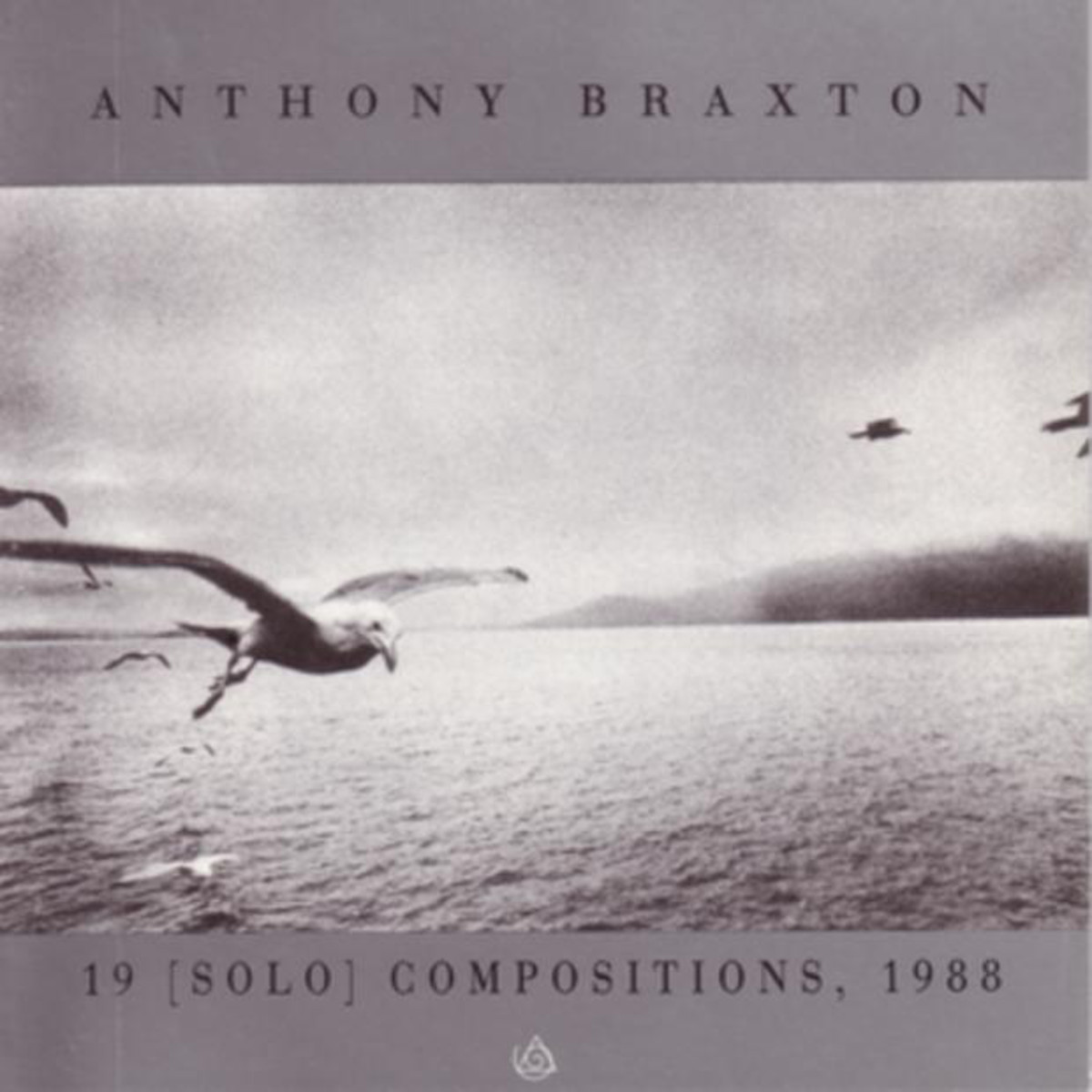
Listening guide: Anthony Braxton's For Alto
For Alto- Album Overview
Released in 1969, Anthony Braxton's "For Alto" is a groundbreaking album in the realm of avant-garde jazz. This album stands out as one of the first solo saxophone recordings, showcasing Braxton's innovative approach to improvisation and composition. Recorded under the Delmark Records label, "For Alto" features Braxton performing exclusively on alto saxophone, a bold choice that emphasizes his mastery of the instrument. The album consists of 14 tracks, all of which are spontaneous compositions, flowing seamlessly into one another and challenging traditional notions of melody and harmony.
In terms of production, "For Alto" was recorded in a single session, allowing for an authentic and raw expression of Braxton's artistic vision. The album is notable not just for its musical content but also for its cultural significance within the context of the late 1960s. During this period, jazz was undergoing significant transformations, with artists exploring free jazz and avant-garde techniques as a reaction against mainstream commercialism. Braxton’s work is a testament to this evolution, pushing the boundaries of jazz while incorporating elements of classical and experimental music.
Although "For Alto" did not produce any singles in the traditional sense, its influence has permeated the genre, inspiring countless musicians and listeners alike. The album has been reissued several times, allowing new generations to experience its profound impact. Braxton’s improvisational prowess, combined with his unique compositional style, makes "For Alto" not only a pivotal work in his discography but also a landmark release in the history of jazz.
Review
"For Alto" is a mesmerizing exploration of sound that transcends conventional jazz boundaries. Braxton’s use of extended techniques, such as multiphonics and circular breathing, creates a sonic landscape that is both challenging and captivating. Each track unfolds like a journey, showcasing Braxton’s ability to manipulate the saxophone in ways that evoke a wide range of emotions, from serenity to chaos. The absence of accompaniment allows listeners to focus intensely on the subtleties of Braxton's playing, revealing the depth of his artistic vision.
While the album may initially seem daunting to those unfamiliar with avant-garde jazz, it beckons listeners to engage with its complexities. The improvisational nature of the work invites interpretation, encouraging a personal connection with the music. Braxton's fearless approach to sound and silence challenges preconceptions of what jazz can be, making "For Alto" an essential listen for anyone interested in the evolution of the genre.
Highlights
- Innovative solo saxophone performance that pushes the boundaries of jazz.
- Deeply expressive improvisation that evokes a wide range of emotions.
- Significant cultural impact as a landmark recording in avant-garde jazz.
Weak points
- Its avant-garde nature may alienate traditional jazz listeners.
- Lengthy tracks can be challenging for casual listeners to engage with fully.
- Lack of structured melodies may be perceived as chaotic by some.
Overall evaluation
Anthony Braxton's "For Alto" is a revolutionary work that has solidified its place in jazz history. It invites listeners to explore the depths of sound and improvisation, challenging them to rethink their understanding of music. While it may not cater to mainstream tastes, its artistic significance and innovative spirit make it a must-listen for those seeking to delve deeper into the world of avant-garde jazz.
Personal rating: 9/10 Tristano Compositions 1989.jpg) 1990Eight (+3) Tristano Compositions 1989
1990Eight (+3) Tristano Compositions 1989 1987Creative Orchestra Music 1976
 1979Alto Saxophone Improvisations
 19683 Compositions of New Jazz