
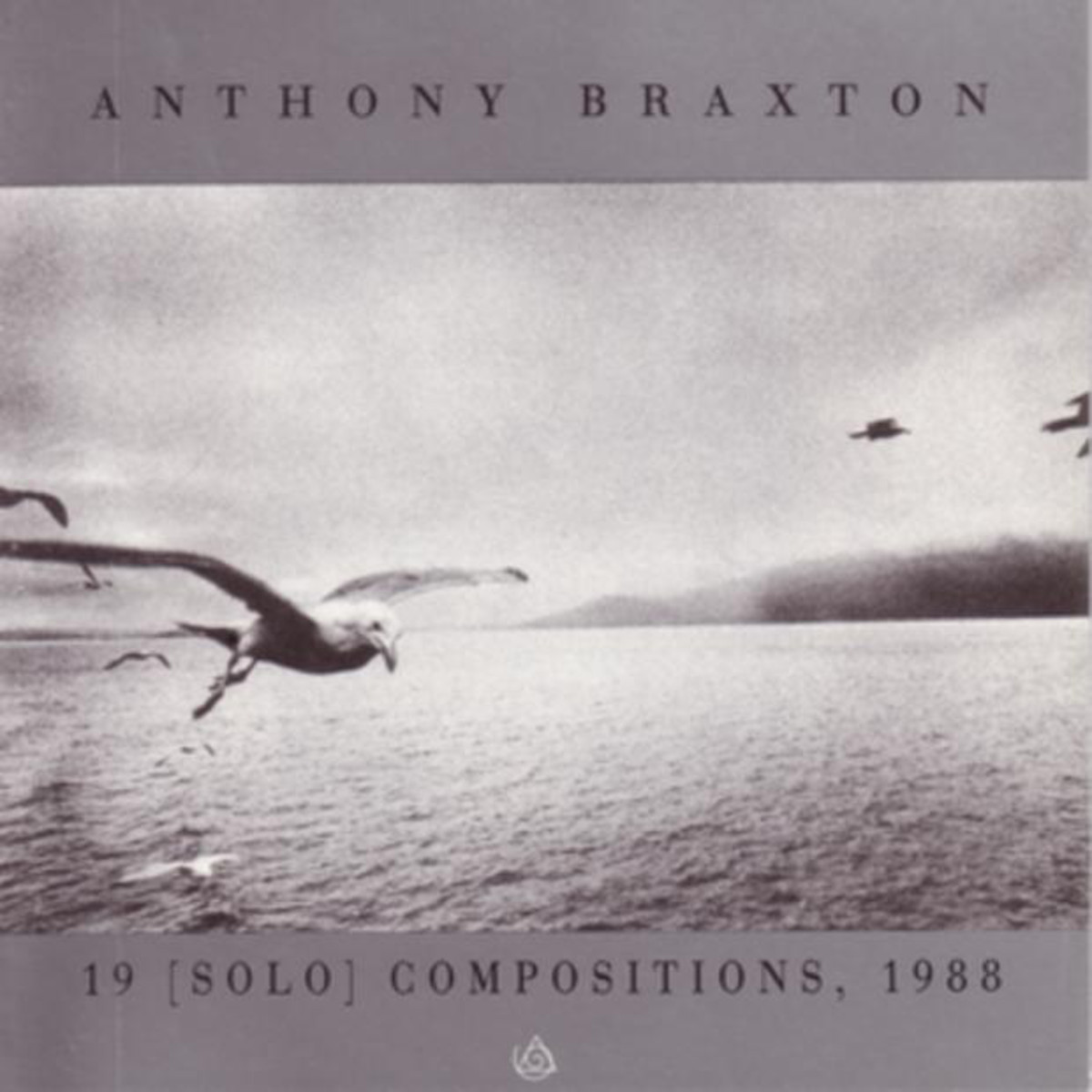
A of Anthony Braxton's Composition No. 165 (For 18 Instruments)
Anthony Braxton is a prolific American composer and multi-reed player who has been pushing the boundaries of free jazz and experimental music for nearly six decades. One of his most ambitious works is Composition No. 165 (For 18 Instruments), an album that was released in 1992 by the Leo Records label. In this post, we will review this seminal work of Braxton, exploring the history of the artist, the music genre of the album, the best songs of the album, the most innovative parts, and a critique of the album.
Anthony Braxton was born in Chicago in 1945 and studied composition and philosophy at Roosevelt University. He started his professional career in the 1960s, playing with jazz luminaries such as Max Roach, Kenny Clarke, and Muhal Richard Abrams. But Braxton quickly became interested in avant-garde movements such as free jazz, musique concrète, and serialism, and began to forge a unique musical language that blended these influences. He released his first album, Three Compositions of New Jazz, in 1968, and since then, he has published an astonishing 300+ recordings, often sprawling suites that explore various themes and textures.
Composition No. 165 (For 18 Instruments) is one such magnum opus of Braxton's discography. The album features a large ensemble of 18 musicians, including strings, brass, winds, and percussion. As the title suggests, the composition is a through-composed piece that spans three CDs and nearly four hours of music. According to Braxton's liner notes, the work is based on a mathematical concept called the smallest integer function, and relies on intricate counterpoint, polyrhythm, and microtonality to create complex, dynamic structures. The album is an example of the creative orchestra genre, which Braxton helped pioneer in the 1970s, and which emphasizes collective improvisation within a scored framework.
The best songs of Composition No. 165 are difficult to isolate, as the work is designed as a cohesive whole. However, some sections stand out for their beauty and complexity. The opening of disc one, with its shimmering strings and ethereal vocals, set the mood for the epic journey ahead. The fourth section of disc two, which features a frenetic saxophone solo from Braxton, showcases his virtuosity and inventiveness. And the final section of disc three, with its haunting violin melody and ambient textures, provides a fitting conclusion to the album.
The most innovative parts of Composition No. 165 are its use of dynamic contrasts, bizarre instrumental combinations, and unconventional notation. Braxton's score is notoriously labyrinthine, with hundreds of symbols, numbers, and letters that guide the musicians through a maze of interlocking parts. The piece incorporates elements of classical music, jazz, world music, and even electronic music, resulting in a constantly shifting sonic landscape. Braxton's use of polyrhythms, in particular, is a hallmark of his style, and gives the music a sense of tension and release that is both exhilarating and dizzying.
Now for a critique of the album, it must be said that Composition No. 165 is not for everyone. The sheer length and complexity of the work can be daunting, and some listeners may find it tedious or alienating. The lack of traditional harmony and melody can also be a challenge for those accustomed to more conventional forms of music. However, for those willing to commit the time and attention required, Composition No. 165 is a rewarding and mind-expanding experience. Braxton's artistry and vision are on full display here, and his ability to create a musical language that transcends genre and tradition is truly awe-inspiring.
In conclusion, Anthony Braxton's Composition No. 165 (For 18 Instruments) is a monumental work of experimental music that showcases the composer's unique voice and his mastery of the creative orchestra genre. The album is a challenging but rewarding listen, offering a glimpse into the mind of one of the most important figures in the avant-garde jazz scene. Whether you are a fan of free jazz, contemporary classical music, or just curious about the boundaries of musical expression, this album is a must-hear. So put on your headphones, clear your schedule, and get ready for a journey like no other.
In conclusion, Anthony Braxton's Composition No. 165 (For 18 Instruments) is a monumental work of experimental music that showcases the composer's unique voice and his mastery of the creative orchestra genre. The album is a challenging but rewarding listen, offering a glimpse into the mind of one of the most important figures in the avant-garde jazz scene. Whether you are a fan of free jazz, contemporary classical music, or just curious about the boundaries of musical expression, this album is a must-hear. So put on your headphones, clear your schedule, and get ready for a journey like no other.
Anthony Braxton was born in Chicago in 1945 and studied composition and philosophy at Roosevelt University. He started his professional career in the 1960s, playing with jazz luminaries such as Max Roach, Kenny Clarke, and Muhal Richard Abrams. But Braxton quickly became interested in avant-garde movements such as free jazz, musique concrète, and serialism, and began to forge a unique musical language that blended these influences. He released his first album, Three Compositions of New Jazz, in 1968, and since then, he has published an astonishing 300+ recordings, often sprawling suites that explore various themes and textures.
Composition No. 165 (For 18 Instruments) is one such magnum opus of Braxton's discography. The album features a large ensemble of 18 musicians, including strings, brass, winds, and percussion. As the title suggests, the composition is a through-composed piece that spans three CDs and nearly four hours of music. According to Braxton's liner notes, the work is based on a mathematical concept called the smallest integer function, and relies on intricate counterpoint, polyrhythm, and microtonality to create complex, dynamic structures. The album is an example of the creative orchestra genre, which Braxton helped pioneer in the 1970s, and which emphasizes collective improvisation within a scored framework.
The best songs of Composition No. 165 are difficult to isolate, as the work is designed as a cohesive whole. However, some sections stand out for their beauty and complexity. The opening of disc one, with its shimmering strings and ethereal vocals, set the mood for the epic journey ahead. The fourth section of disc two, which features a frenetic saxophone solo from Braxton, showcases his virtuosity and inventiveness. And the final section of disc three, with its haunting violin melody and ambient textures, provides a fitting conclusion to the album.
The most innovative parts of Composition No. 165 are its use of dynamic contrasts, bizarre instrumental combinations, and unconventional notation. Braxton's score is notoriously labyrinthine, with hundreds of symbols, numbers, and letters that guide the musicians through a maze of interlocking parts. The piece incorporates elements of classical music, jazz, world music, and even electronic music, resulting in a constantly shifting sonic landscape. Braxton's use of polyrhythms, in particular, is a hallmark of his style, and gives the music a sense of tension and release that is both exhilarating and dizzying.
Now for a critique of the album, it must be said that Composition No. 165 is not for everyone. The sheer length and complexity of the work can be daunting, and some listeners may find it tedious or alienating. The lack of traditional harmony and melody can also be a challenge for those accustomed to more conventional forms of music. However, for those willing to commit the time and attention required, Composition No. 165 is a rewarding and mind-expanding experience. Braxton's artistry and vision are on full display here, and his ability to create a musical language that transcends genre and tradition is truly awe-inspiring.
In conclusion, Anthony Braxton's Composition No. 165 (For 18 Instruments) is a monumental work of experimental music that showcases the composer's unique voice and his mastery of the creative orchestra genre. The album is a challenging but rewarding listen, offering a glimpse into the mind of one of the most important figures in the avant-garde jazz scene. Whether you are a fan of free jazz, contemporary classical music, or just curious about the boundaries of musical expression, this album is a must-hear. So put on your headphones, clear your schedule, and get ready for a journey like no other.
In conclusion, Anthony Braxton's Composition No. 165 (For 18 Instruments) is a monumental work of experimental music that showcases the composer's unique voice and his mastery of the creative orchestra genre. The album is a challenging but rewarding listen, offering a glimpse into the mind of one of the most important figures in the avant-garde jazz scene. Whether you are a fan of free jazz, contemporary classical music, or just curious about the boundaries of musical expression, this album is a must-hear. So put on your headphones, clear your schedule, and get ready for a journey like no other.
 Tristano Compositions 1989.jpg) 1990Eight (+3) Tristano Compositions 1989
1990Eight (+3) Tristano Compositions 1989 1987Creative Orchestra Music 1976
 1979Alto Saxophone Improvisations
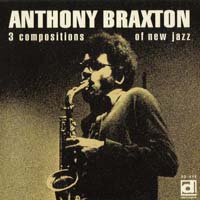 19683 Compositions of New Jazz