
How Anthony Braxton shaped the sound of Composition No. 102 (for Orchestra & Puppet Th
Composition No. 102 (for Orchestra & Puppet Th- Album Overview
Released in 1996, Anthony Braxton's "Composition No. 102 (for Orchestra & Puppet Th" stands as a landmark work in the realm of contemporary classical and avant-garde jazz. This album is a profound exploration of sound and structure, showcasing Braxton's innovative approach to composition and orchestration. Recorded under the prestigious label, Hat Art, the album features a unique blend of orchestral elements interwoven with the spontaneity of jazz improvisation, which has become a hallmark of Braxton's style.
The recordings were made with a diverse ensemble that includes not only traditional orchestral instruments but also unique sound sources, reflecting Braxton's penchant for breaking conventional boundaries. The album consists of several pieces, each contributing to the overall tapestry of sound that Braxton meticulously crafted. His collaboration with various musicians, including those skilled in both classical and jazz traditions, allows for a rich textural experience that challenges the listener's expectations.
While the album did not produce traditional singles, its influence on both jazz and contemporary classical music is undeniable, with numerous artists citing Braxton's work as an inspiration. "Composition No. 102" is not just an album; it is an invitation to experience music as a living, breathing entity, emphasizing the importance of improvisation and interaction among musicians. This work exemplifies Braxton's commitment to pushing the boundaries of musical expression and his continuous exploration of new sonic territories, making it a significant addition to his extensive discography.
Review
In "Composition No. 102 (for Orchestra & Puppet Th," Anthony Braxton delivers a captivating auditory experience that challenges the listener to engage with music on a deeper level. The orchestration is intricate, yet fluid, balancing structured composition with the organic flow of improvisation. The interplay between musicians is palpable, creating a dynamic soundscape that feels both meticulously planned and spontaneously created.
The album showcases Braxton's visionary artistic approach, where traditional boundaries of genre dissolve, inviting elements of jazz, classical, and avant-garde to coexist. The timbral variety and textural richness are mesmerizing, drawing the listener into a world where sound becomes a narrative, evoking emotions and ideas without the need for lyrics. Braxton's ability to navigate complex rhythms and harmonies while maintaining a sense of cohesion is commendable, making this album not just a collection of tracks, but a holistic sonic journey.
Highlights
- Innovative blend of orchestral and jazz elements
- Intricate and dynamic interplay among musicians
- Rich textural experience that challenges conventional listening
Weak points
- The complexity may alienate casual listeners
- Some sections may feel meandering without a clear direction
- Limited accessibility compared to more mainstream jazz works
Overall evaluation
Anthony Braxton's "Composition No. 102 (for Orchestra & Puppet Th" is a profound exploration of sound that showcases his innovative compositional style. While it may not cater to every listener's taste, its artistic vision and complexity make it a significant work in contemporary music.
Personal rating: 8/10 2009Improvisations (Duo) 2008
 2006ABCD
 2005Child Reel Eyes
 2005Concept of Freedom
 2005Triotone
 2003Two Compositions (trio) 1998
 2000Ten Compositions (quartet) 2000
 1998Compositions No. 10 & No. 16 (101)
 1996Composition No. 102 (For Orchestra & Puppet Theatr
 1995Solo Piano (standards) 1995
 19934 (ensemble) Compositions
 1991Dortmund (Quartet) 1976
 1990Quartet (Birmingham) 1985
 1990Prag 1984 (Quartet Performance)
 Tristano Compositions 1989.jpg) 1990Eight (+3) Tristano Compositions 1989
 198919 [Solo] Compositions, 1988
 1988Six Monk's Compositions
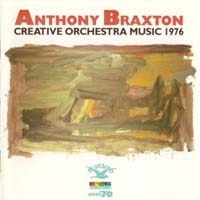 1987Creative Orchestra Music 1976
 1986Five Compositions (Quartet) 1986
 1985Six Compositions (Quartet) 1984
 1983Four Compositions (quartet) 1983
 1982Six Compositions: Quartet
 1982Composition No. 95, For Two Pianos
 1981Composition 98
 1979Alto Saxophone Improvisations 1979
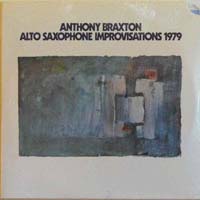 1979Alto Saxophone Improvisations
 1977In the Tradition, Volume 2
 1975Five Pieces (1975)
 1974In The Tradition
 1973Four Compositions (1973)
 1972Saxophone Improvisations, Series F.
 1972Saxophone Improvisations Series F
 1971For Alto
 1970This Time...
 1969B-X / NO-I-47ᴬ
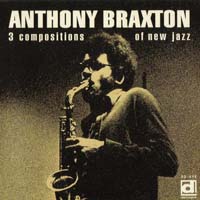 19683 Compositions of New Jazz
Comments
No comments yet.