
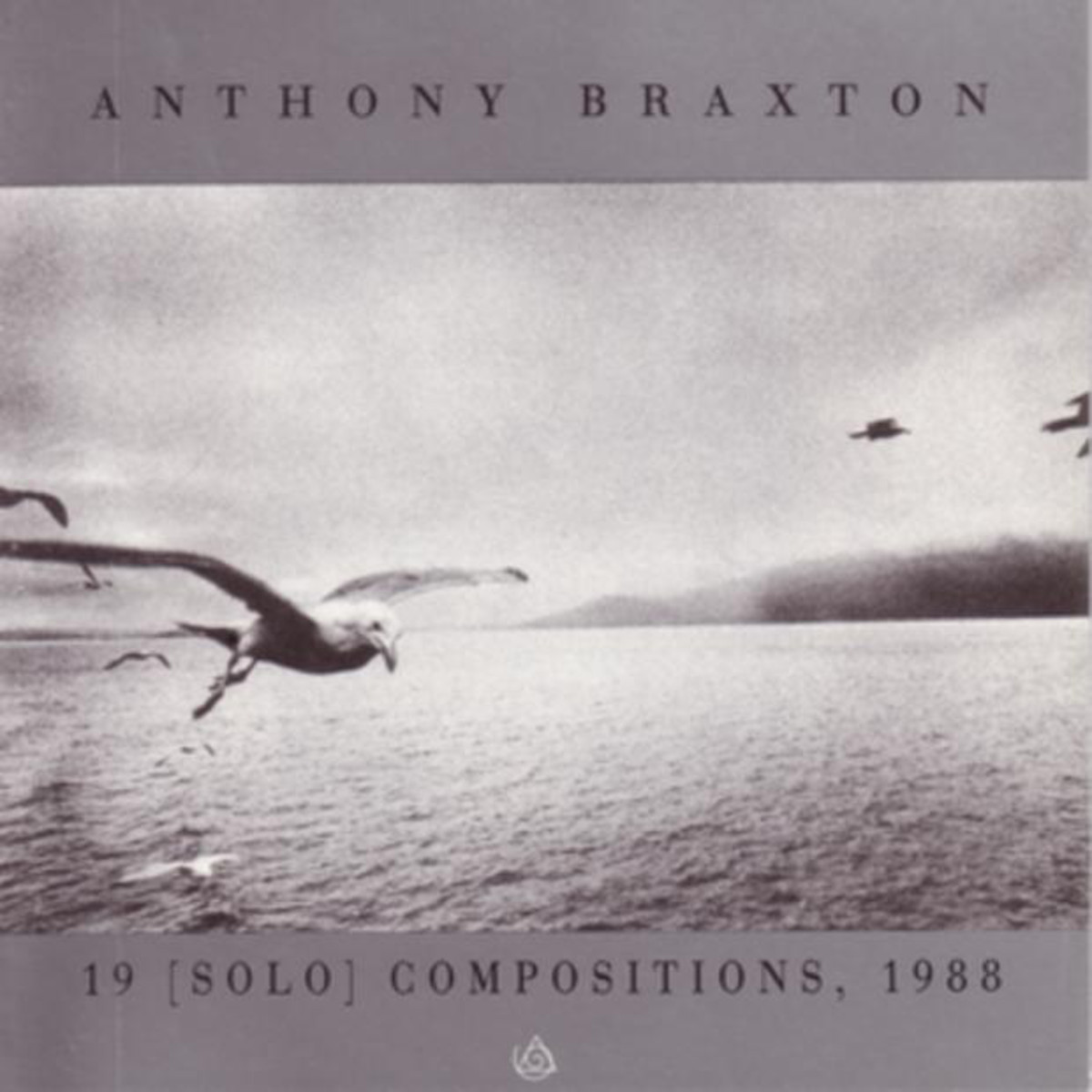
Solo (milano) 1979 Vol. 2: the story Anthony Braxton wants to tell
Solo (milano) 1979 Vol. 2- Album Overview
Released in 2019, "Solo (milano) 1979 Vol. 2" is the second installment of a series capturing the innovative performances of Anthony Braxton, a pioneering figure in avant-garde jazz. This album is part of Braxton's extensive discography that showcases his unique approach to improvisation and composition. The music was recorded live in Milan, Italy, during a series of performances that took place in 1979, a crucial time in Braxton’s artistic evolution. This particular release comes courtesy of the acclaimed label, Firehouse 12, which has dedicated itself to preserving and promoting experimental music and jazz.
In this recording, Braxton utilizes his distinctive combination of alto saxophone, clarinet, and various woodwinds, demonstrating his ability to navigate complex musical landscapes with ease. The album is structured through a series of improvisational pieces, each reflecting Braxton's philosophy of music as a dynamic, living art form. Collaborators on the project include fellow avant-garde musicians who contribute to the rich tapestry of sound that defines Braxton's work. Throughout the album, listeners are treated to a tapestry of textures and motifs that highlight the influence of free jazz while pushing the boundaries of traditional jazz forms.
The significance of "Solo (milano) 1979 Vol. 2" extends beyond its musical content; it serves as a historical document that captures the essence of an era marked by experimentation and the breaking away from conventional jazz structures. Braxton's work during this period was instrumental in shaping the future of jazz, and this release allows new listeners to experience the raw energy and creativity that defined his live performances.
Review
In "Solo (milano) 1979 Vol. 2," Anthony Braxton offers a profound listening experience that is both challenging and rewarding. The album is characterized by its spontaneous interplay and intricate melodic lines that encourage deep engagement. Braxton's improvisational skills shine throughout, with each track unfolding like a conversation, filled with tension and release. The absence of a traditional rhythm section places the focus squarely on Braxton's woodwind mastery, allowing him to explore the limits of sound and silence.
Artistically, Braxton's vision is rooted in the idea that music is a form of storytelling, and he uses his instruments to weave narratives that are deeply personal yet universally accessible. Each piece feels like a journey, with unexpected turns and moments of introspection. While the album may initially seem daunting to casual listeners, those willing to immerse themselves in the experience will find it to be a rewarding exploration of sound, emotion, and the essence of jazz itself. The raw energy of the live performance is palpable, making this album a significant addition to Braxton's oeuvre and a pivotal piece of jazz history.
Highlights
- Exceptional improvisational skill displayed by Braxton throughout the album.
- Rich historical context, capturing a crucial period in avant-garde jazz.
- Unique and dynamic sound that challenges conventional jazz norms.
Weak points
- May be inaccessible to listeners unfamiliar with avant-garde jazz.
- Lengthy tracks could deter those seeking more conventional song structures.
- Limited appeal outside of dedicated jazz and experimental music circles.
Overall evaluation
"Solo (milano) 1979 Vol. 2" is a testament to Anthony Braxton's genius and his ability to convey complex emotions through music. It offers a unique glimpse into the past while remaining relevant in today's musical landscape. This album is essential for anyone looking to deepen their understanding of jazz and its many forms.
Personal rating: 9/10 Tristano Compositions 1989.jpg) 1990Eight (+3) Tristano Compositions 1989
1990Eight (+3) Tristano Compositions 1989 1987Creative Orchestra Music 1976
 1979Alto Saxophone Improvisations
 19683 Compositions of New Jazz