
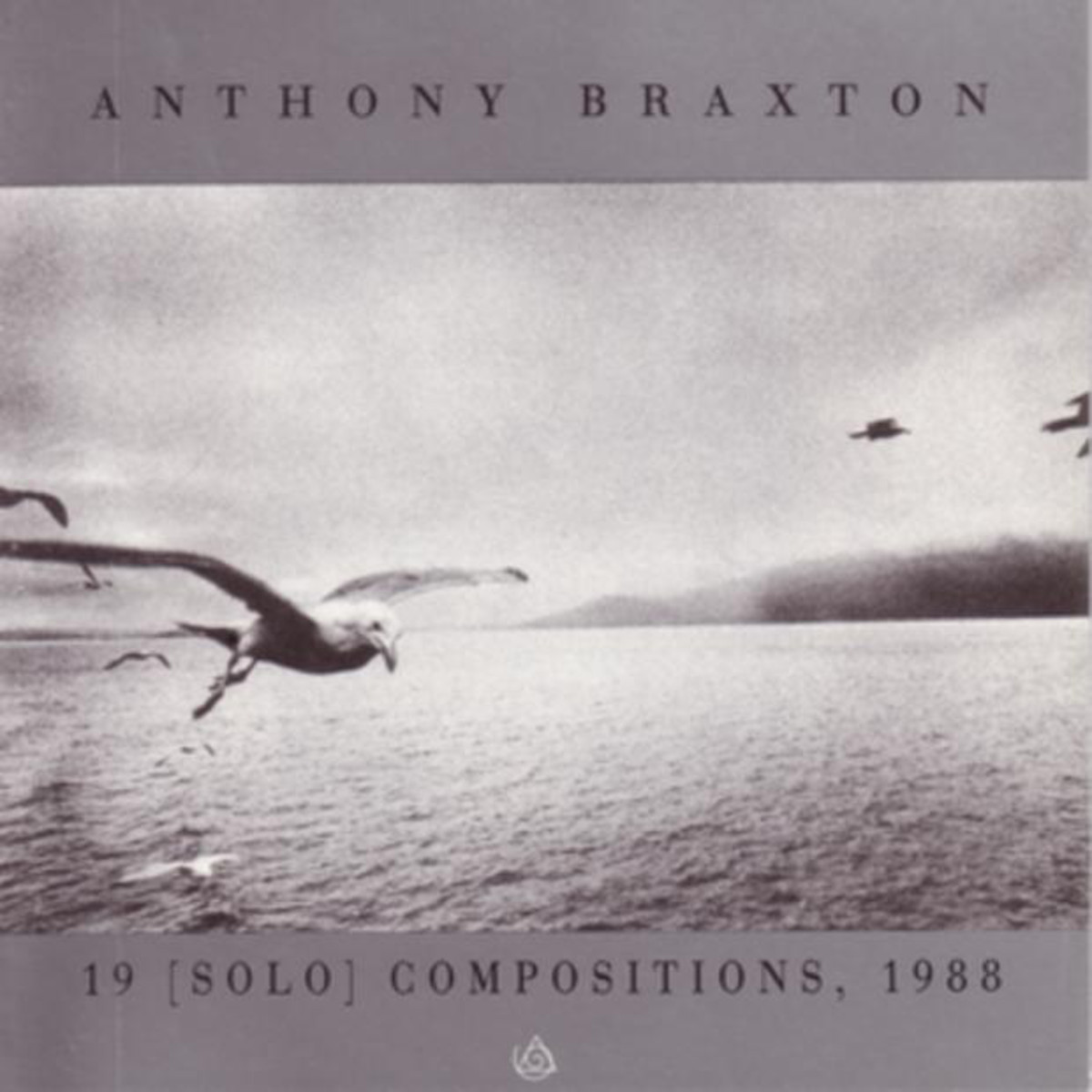
A closer look at Anthony Braxton's album For Four Orchestras
For Four Orchestras- Album Overview
Released in 1999, "For Four Orchestras" represents a significant chapter in the avant-garde jazz oeuvre of composer and multi-instrumentalist Anthony Braxton. This ambitious work, released under the prestigious label of the "Braxton House," showcases Braxton's innovative approach to composition and orchestration, bringing together four distinct orchestras that weave together a tapestry of sound that challenges traditional jazz norms. Recorded during a series of performances in the late 1990s, the album features a collaboration of talented musicians, highlighting Braxton's ability to galvanize diverse artistic voices. The project includes an array of improvisational elements, reflecting both structured composition and spontaneous creativity. The album consists of several lengthy tracks, each offering a different exploration of musical themes and textures. Notably, the piece "For Four Orchestras" stands out, encapsulating Braxton's philosophical and artistic explorations. The album's release was met with critical acclaim, solidifying Braxton's status as a leading figure in contemporary music. His works often delve into the intersections of music, philosophy, and social commentary, making "For Four Orchestras" not just an auditory experience but a reflection on the cultural landscape of its time. The album does not feature traditional singles, as its essence lies in the collective experience rather than individual tracks, making it more of an auditory suite than a conventional album.
Review
"For Four Orchestras" is a profound exploration of sound that exemplifies Anthony Braxton's masterful command over complex musical structures. The album unfolds with an intricate layering of orchestral sounds, creating an immersive environment that invites listeners to engage deeply with each composition. The sonic landscapes are both chaotic and serene, oscillating between moments of frenetic improvisation and contemplative quietude. Braxton’s ability to balance these elements showcases his artistic vision, where the interplay of orchestral voices creates a dialogue that transcends mere entertainment. The absence of lyrics in this instrumental work allows the listener to interpret the music on a personal level, reflecting the cultural and artistic tensions of the late 20th century. The album's avant-garde nature may be challenging for mainstream audiences, yet it rewards those willing to embrace its complexities. Braxton's compositions reveal an intricate understanding of orchestration, as each musician contributes to a larger narrative, creating a cohesive and thought-provoking listening experience. Overall, this album stands as a testament to Braxton's innovative spirit and his commitment to pushing the boundaries of jazz.
Highlights
- Innovative orchestration that showcases a blend of structured composition and improvisation.
- A unique listening experience that invites deep engagement and personal interpretation.
- Strong cultural and philosophical undertones reflecting the artistic movements of the late 1990s.
Weak points
- Its avant-garde nature may be inaccessible to casual listeners.
- Lengthy compositions may require patience and a dedicated listening session.
- Lack of traditional singles can make it challenging for mainstream radio play and exposure.
Overall evaluation
"For Four Orchestras" is a masterful exploration of contemporary jazz that exemplifies Anthony Braxton's innovative spirit. While it may challenge mainstream sensibilities, it offers a rich and rewarding experience for those willing to delve into its complexities. The album stands as a significant contribution to the jazz canon, reflecting both personal and cultural narratives through its intricate soundscapes. Personal rating: 9/10
 Tristano Compositions 1989.jpg) 1990Eight (+3) Tristano Compositions 1989
1990Eight (+3) Tristano Compositions 1989 1987Creative Orchestra Music 1976
 1979Alto Saxophone Improvisations
 19683 Compositions of New Jazz