ALBUM NOTESFrom intro to finale: what Four Compositions (1973) delivers
Four Compositions (1973)- Album Overview
Anthony Braxton's "Four Compositions (1973)" is a landmark album in the realm of avant-garde jazz, released in 1973 under the Arista label. The album showcases Braxton's innovative approach to composition and improvisation, solidifying his reputation as a leading figure in the free jazz movement. Recorded in a period characterized by an exploration of unconventional structures and sounds, this album features four distinct compositions that highlight Braxton's unique voice as a composer and performer.
The album consists of the tracks "Composition 40," "Composition 41," "Composition 42," and "Composition 43," each offering a different perspective on Braxton's artistic vision. Notably, the musicians accompanying Braxton on this project include a stellar lineup of jazz luminaries, such as trumpeter Donald Byrd and drummer Andrew Cyrille, who contribute to the album's complex textures and intricate rhythms.
"Four Compositions (1973)" is significant not only for its bold exploration of musical boundaries but also for its cultural context, as it came at a time when jazz was experiencing a radical transformation. Braxton's work challenges traditional notions of melody and harmony, pushing the listener to engage with music in a more cerebral way. The album's experimental nature paved the way for future generations of musicians to explore the intersections of jazz, avant-garde, and contemporary classical music. Its release marked a vital moment in the evolution of jazz, as artists began to embrace a more eclectic array of influences and styles.
Review
"Four Compositions (1973)" stands as a testament to Anthony Braxton's avant-garde philosophy, fusing complex structures with spontaneous improvisation. The album invites listeners into a labyrinth of sound, where each track unfolds as a unique journey. The compositions are often dense, filled with intricate melodies and unexpected shifts in tempo and dynamics, reflecting Braxton's deep understanding of both jazz tradition and contemporary classical influences.
The improvisational sections are a highlight, showcasing Braxton's prowess as a multi-instrumentalist and his ability to weave intricate dialogues with his fellow musicians. Each piece offers a different mood, oscillating between chaotic bursts of energy and moments of serene introspection. While the lack of conventional song structures may alienate some listeners, those willing to embrace the challenge will find a rich tapestry of sounds that rewards repeated listening.
Braxton's artistic vision comes through vividly, emphasizing the idea that music is a living art form, constantly evolving. The album's experimental nature places it at the forefront of the avant-garde movement, influencing countless artists across genres.
Highlights
- Innovative compositions that challenge traditional jazz structures.
- Exceptional collaboration with renowned musicians, enhancing the overall sound.
- A profound exploration of improvisation, showcasing the spontaneity of jazz.
Weak points
- Dense arrangements may be inaccessible to mainstream jazz listeners.
- Lack of conventional melodies could deter casual listeners.
- The experimental nature may not resonate with all audiences.
Overall evaluation
"Four Compositions (1973)" is a crucial entry in Anthony Braxton's discography, exemplifying his innovative spirit and commitment to pushing the boundaries of jazz. While its avant-garde approach may not appeal to everyone, it is a compelling work that invites deeper engagement with the art of music.
Personal rating: 8/10

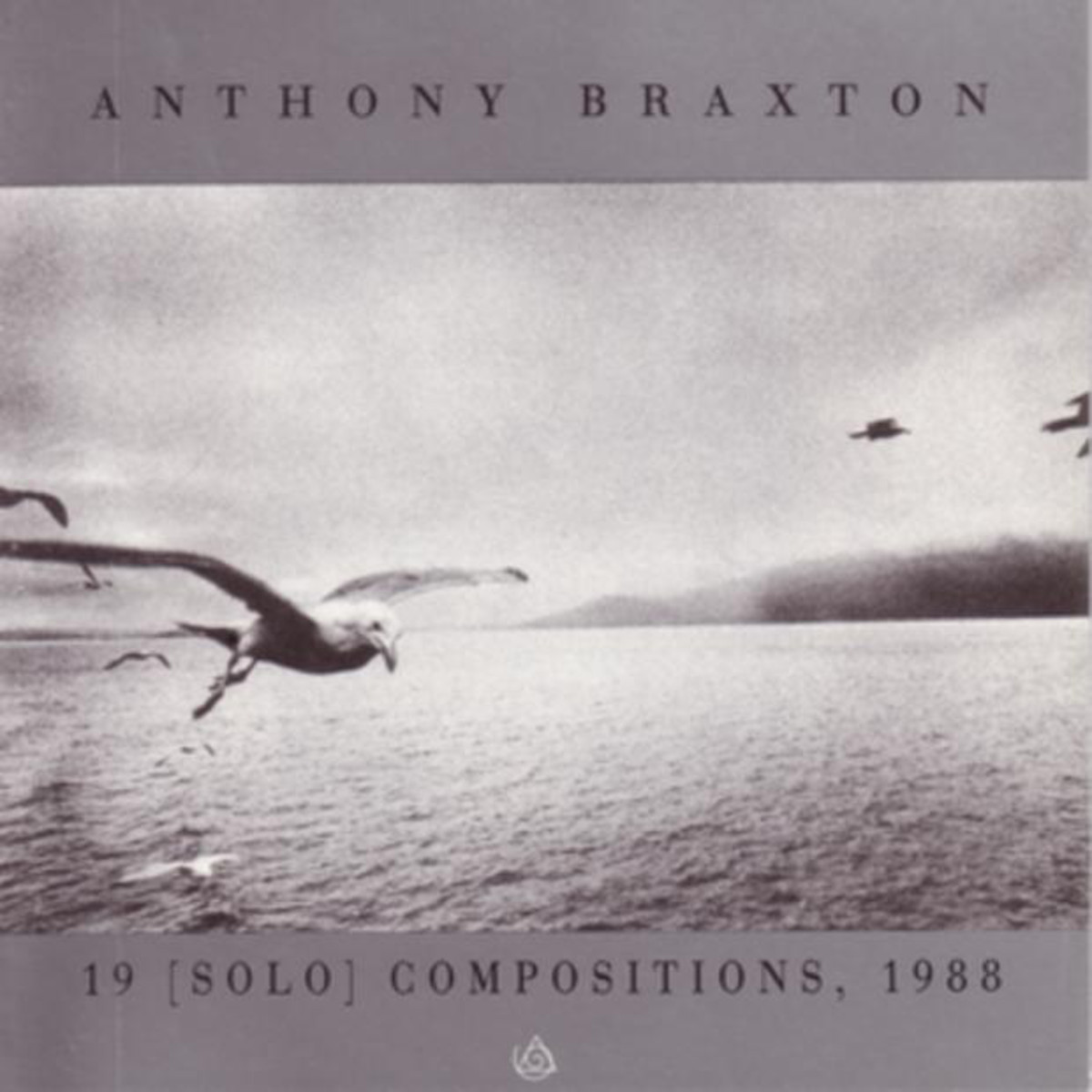
 Tristano Compositions 1989.jpg) 1990Eight (+3) Tristano Compositions 1989
1990Eight (+3) Tristano Compositions 1989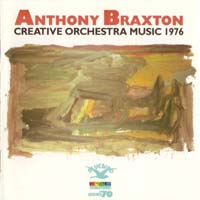 1987Creative Orchestra Music 1976
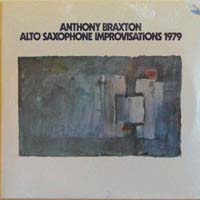 1979Alto Saxophone Improvisations
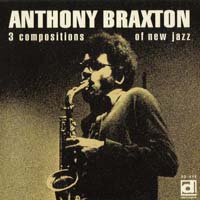 19683 Compositions of New Jazz