
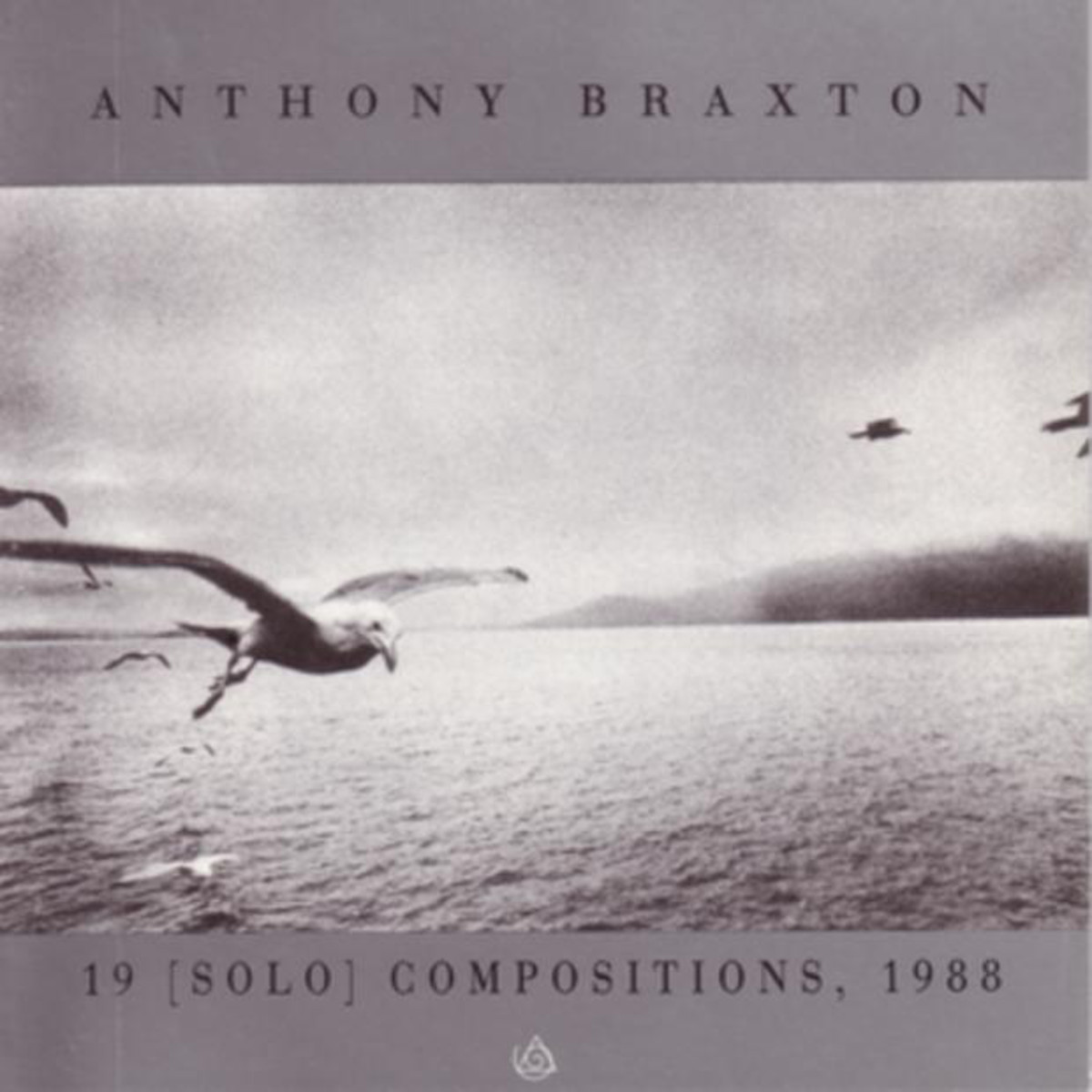
Breaking down the themes in The Complete Braxton by Anthony Braxton
The Complete Braxton- Album Overview
Released in 1996 by the prestigious label, Black Saint, "The Complete Braxton" is a monumental collection that encapsulates the innovative spirit of Anthony Braxton, a key figure in avant-garde jazz. This album is a comprehensive anthology that brings together works spanning Braxton's extensive career, showcasing his unique approach to composition, improvisation, and performance. The recordings feature a variety of ensembles, including duets, trios, and larger group configurations, highlighting Braxton's versatility as both a musician and a composer. Notable collaborators on the album include the likes of saxophonist and fellow avant-garde artist, Joe Morris, and percussionist, Andrew Cyrille, each contributing to the eclectic sound that Braxton is known for. The album also emphasizes the interplay between traditional jazz elements and experimental techniques, a hallmark of Braxton's work. Tracks are often characterized by their complex structures and the use of graphic notation, which allows for a high degree of improvisational freedom. As a singular document of Braxton's artistic evolution, "The Complete Braxton" serves not only as a showcase of his works but also as a critical reference point for understanding the broader context of jazz in the late 20th century. It captures the essence of a musician who constantly pushes boundaries and challenges the norms of jazz, making it a significant contribution to the genre.
Review
"The Complete Braxton" is an audacious exploration of sound that reflects Anthony Braxton's relentless quest for innovation. The album's structure allows listeners to engage deeply with each track, revealing layers of complexity that challenge conventional jazz forms. The interplay between musicians is both spontaneous and meticulously crafted, showcasing Braxton's skill in directing and facilitating conversations between instruments. Musically, the album oscillates between moments of intense dissonance and serene melodic passages, creating a dynamic listening experience. Braxton's use of extended techniques on the saxophone introduces a raw, almost primal quality to the music, while his compositional style invites the listener to ponder deeper themes such as identity, community, and the nature of improvisation itself. Thematically, "The Complete Braxton" grapples with the intersections of jazz and avant-garde movements, merging the two to form an entirely new dialogue. This album not only documents Braxton's artistic journey but also serves as a mirror reflecting the socio-cultural shifts within the jazz community during a time of rapid change and experimentation.
Highlights
- Innovative composition techniques that challenge traditional jazz formats.
- Exceptional collaboration with a diverse array of talented musicians.
- Rich thematic exploration of identity and improvisation in jazz.
Weak points
- Complexity may alienate casual listeners unfamiliar with avant-garde jazz.
- Some tracks may feel overly lengthy for those preferring concise compositions.
- Occasional dissonance can be jarring for traditional jazz enthusiasts.
Overall evaluation
"The Complete Braxton" is a profound testament to Anthony Braxton's impact on the jazz landscape, offering an immersive experience that rewards attentive listening. While it may not cater to all musical tastes, its artistic ambition and depth are undeniable. Personal rating: 8/10
 Tristano Compositions 1989.jpg) 1990Eight (+3) Tristano Compositions 1989
1990Eight (+3) Tristano Compositions 1989 1987Creative Orchestra Music 1976
 1979Alto Saxophone Improvisations
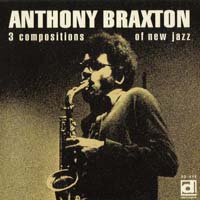 19683 Compositions of New Jazz