
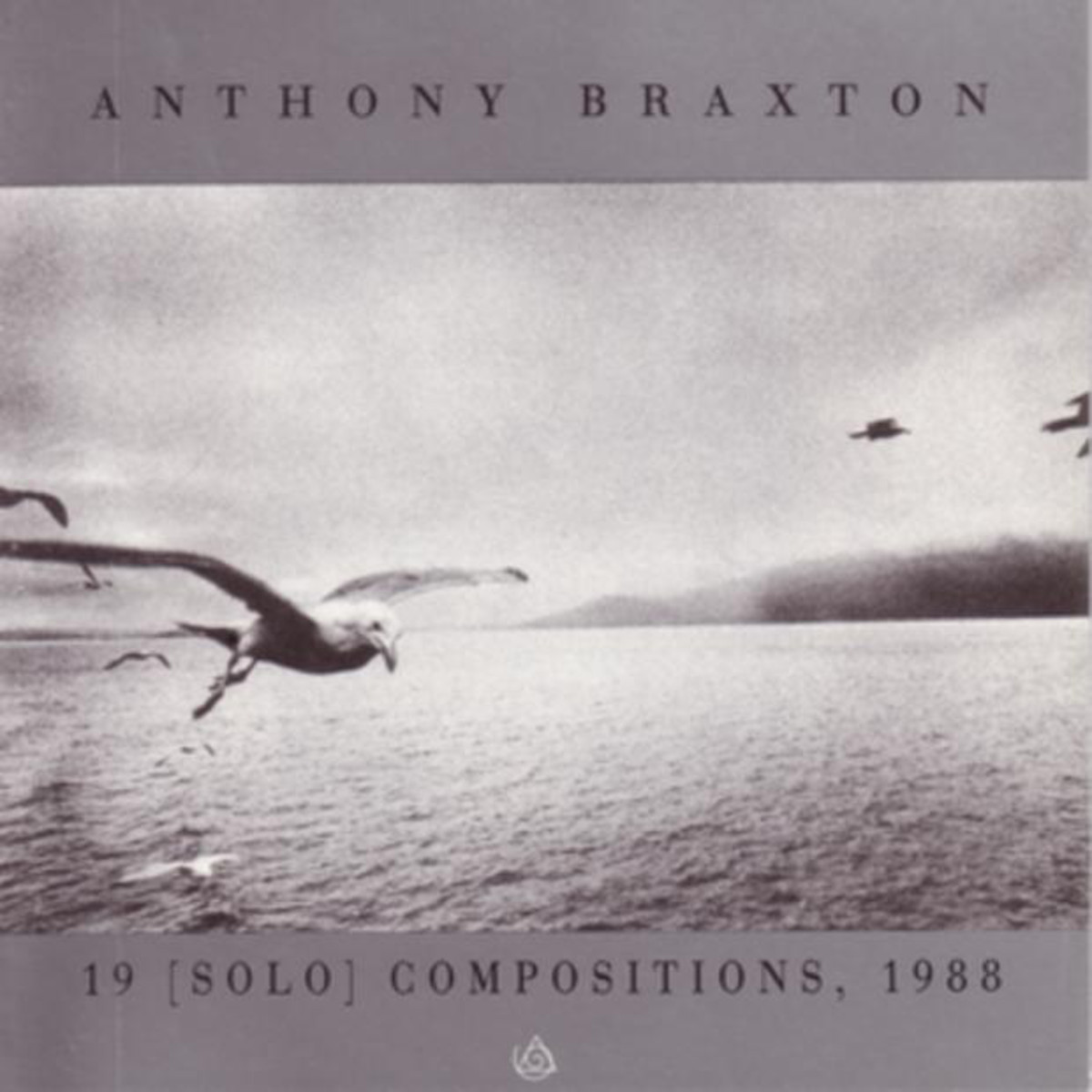
Exploring the sound of Anthony Braxton: Dona Lee
Dona Lee- Album Overview
"Dona Lee" is a landmark 1993 album by the innovative jazz composer and multi-instrumentalist Anthony Braxton. Released under the prestigious label, Black Saint, the album showcases Braxton's avant-garde approach to jazz and his unique compositional style. The recording took place in 1992 and features an ensemble of talented musicians, including the renowned saxophonist and trumpeter, as well as members of the Braxton's own Creative Music Orchestra. This project highlights Braxton's ability to fuse complex harmonic structures with free improvisation, a hallmark of his artistic vision.
The album is named after the iconic jazz standard "Donna Lee," which has been interpreted by many artists, but Braxton's rendition is distinct, employing his signature layering and textural exploration. "Dona Lee" consists of multiple tracks that span various lengths and moods, each representing a facet of Braxton's eclectic sound. Among the standout tracks are "For John Coltrane" and "Composition No. 135," which exemplify his deep respect for jazz tradition while pushing boundaries.
Musically, "Dona Lee" is significant for its cultural context during the early '90s, a time when jazz was experiencing a renaissance of sorts, with artists experimenting with new forms and expressions. Braxton's work contributed to this evolution, influencing a generation of musicians seeking to blend classical, jazz, and avant-garde elements. The album remains a crucial part of Braxton's discography and a testament to his relentless pursuit of musical innovation.
Review
A profound exploration of sound and structure, "Dona Lee" is a testament to Anthony Braxton's vision as a composer and performer. The album challenges listeners with its intricate arrangements and the seamless transition between composed sections and improvisational passages. Braxton's use of instrumentation is particularly noteworthy; he takes the listener on a journey through complex rhythms and unexpected tonalities, creating an environment that feels both chaotic and structured.
The tracks are characterized by their dynamic interplay among musicians, each contributing to a collective sound that is both spontaneous and meticulously crafted. Braxton's own performances on the saxophone are nothing short of mesmerizing, showcasing a mastery that intertwines technical prowess with emotional depth. Lyrically, the album may not focus on traditional vocals, but the communicative power of the instruments speaks volumes, conveying a rich narrative through sound alone.
In "Dona Lee," Braxton continues to challenge the conventions of jazz, inviting listeners to engage with music on a deeper level. His artistic vision transcends mere entertainment, offering a complex tapestry of auditory experiences that provoke thought and inspire creativity.
Highlights
- Innovative compositions that blend free improvisation with structured forms.
- Exceptional musicianship from a diverse ensemble of talented artists.
- A unique interpretation of the classic "Donna Lee" that pays homage while innovating.
Weak points
- Complex arrangements may be challenging for casual jazz listeners.
- The lack of traditional vocals may limit appeal to a broader audience.
- Some tracks may feel overly experimental for those preferring conventional jazz forms.
Overall evaluation
"Dona Lee" stands as a significant achievement in Anthony Braxton's illustrious career, a remarkable fusion of innovation and tradition that continues to resonate within the jazz landscape. Its complexity and depth offer listeners a rewarding experience, albeit one that requires an open mind and a willingness to explore the avant-garde.
Personal rating: 8/10 Tristano Compositions 1989.jpg) 1990Eight (+3) Tristano Compositions 1989
1990Eight (+3) Tristano Compositions 1989 1987Creative Orchestra Music 1976
 1979Alto Saxophone Improvisations
 19683 Compositions of New Jazz