
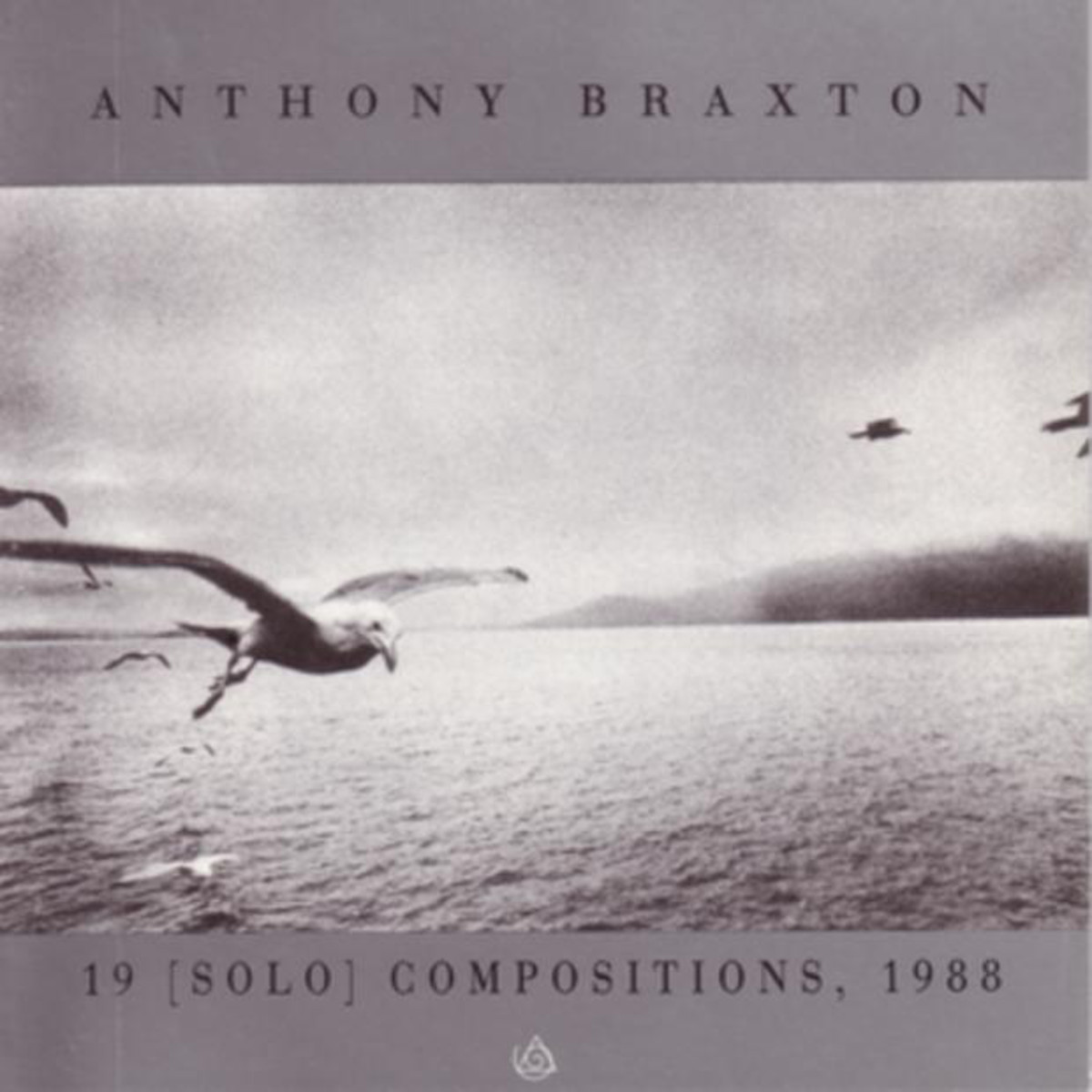
Album spotlight: Anthony Braxton – Five Pieces (1975)
Five Pieces (1975)- Album Overview
Released in 1975, "Five Pieces" is a pivotal album by avant-garde jazz composer and multi-instrumentalist Anthony Braxton. The album was released under the renowned Delmark Records label, which has a rich history of producing innovative jazz music. This work showcases Braxton’s distinctive approach to jazz, blending elements of free improvisation, classical music structures, and experimental sound. The recording features a stellar lineup of musicians, including the legendary trumpeter Dave Douglas, bassist Peter Kowald, and percussionist Milford Graves, all of whom contribute to the album's eclectic soundscape.
"Five Pieces" is notable for its ambitious compositions and intricate arrangements, pushing the boundaries of traditional jazz. The tracks are characterized by a blend of dissonance and melody, incorporating Braxton's unique use of extended techniques on various instruments, including the saxophone, which remains his primary instrument. The album consists of five distinct pieces, each exploring different textures and sonic possibilities that reflect Braxton's innovative vision.
While there were no official singles released from "Five Pieces," the album has garnered significant attention over the years for its contribution to the avant-garde jazz movement. It has influenced countless artists and remains a touchstone for those interested in the intersections of jazz, improvisation, and contemporary music. Braxton's work during this period played a crucial role in shaping the future of jazz, emphasizing the role of the composer as an active participant in the performance and interpretation of music.
Review
"Five Pieces" stands out as a testament to Anthony Braxton's artistic vision, where conventional structures are dismantled and reassembled into something wholly original. The album’s sound is a complex tapestry woven with intricate interplay between the musicians, creating an immersive listening experience. The compositions are adventurous, often challenging the listener to engage with the music on a deeper level, moving beyond mere enjoyment into a realm of contemplation and exploration.
The use of improvisation is masterful; each piece unfolds with a sense of spontaneity that keeps the listener on edge. Braxton’s saxophone work is particularly noteworthy, as it navigates through a wide range of emotions and tones, from haunting melodies to chaotic bursts of sound. The rhythmic interplay between the musicians adds to the tension and release, making for a dynamic listening experience. Overall, "Five Pieces" encapsulates the essence of avant-garde jazz—unconventional yet profoundly impactful.
Highlights
- Innovative compositions that challenge traditional jazz norms.
- Exceptional musicianship from a talented ensemble of artists.
- Rich soundscapes that encourage deep listening and reflection.
Weak points
- May be inaccessible to listeners unfamiliar with avant-garde jazz.
- Some tracks can feel overly abstract or disjointed.
- Lack of identifiable melodies might deter mainstream jazz fans.
Overall evaluation
Anthony Braxton's "Five Pieces" is a groundbreaking work that pushes the boundaries of jazz, showcasing the artist's innovative spirit and collaborative prowess. While it may not appeal to all listeners, its significance in the jazz canon is undeniable.
Personal rating: 8/10 Tristano Compositions 1989.jpg) 1990Eight (+3) Tristano Compositions 1989
1990Eight (+3) Tristano Compositions 1989 1987Creative Orchestra Music 1976
 1979Alto Saxophone Improvisations
 19683 Compositions of New Jazz