
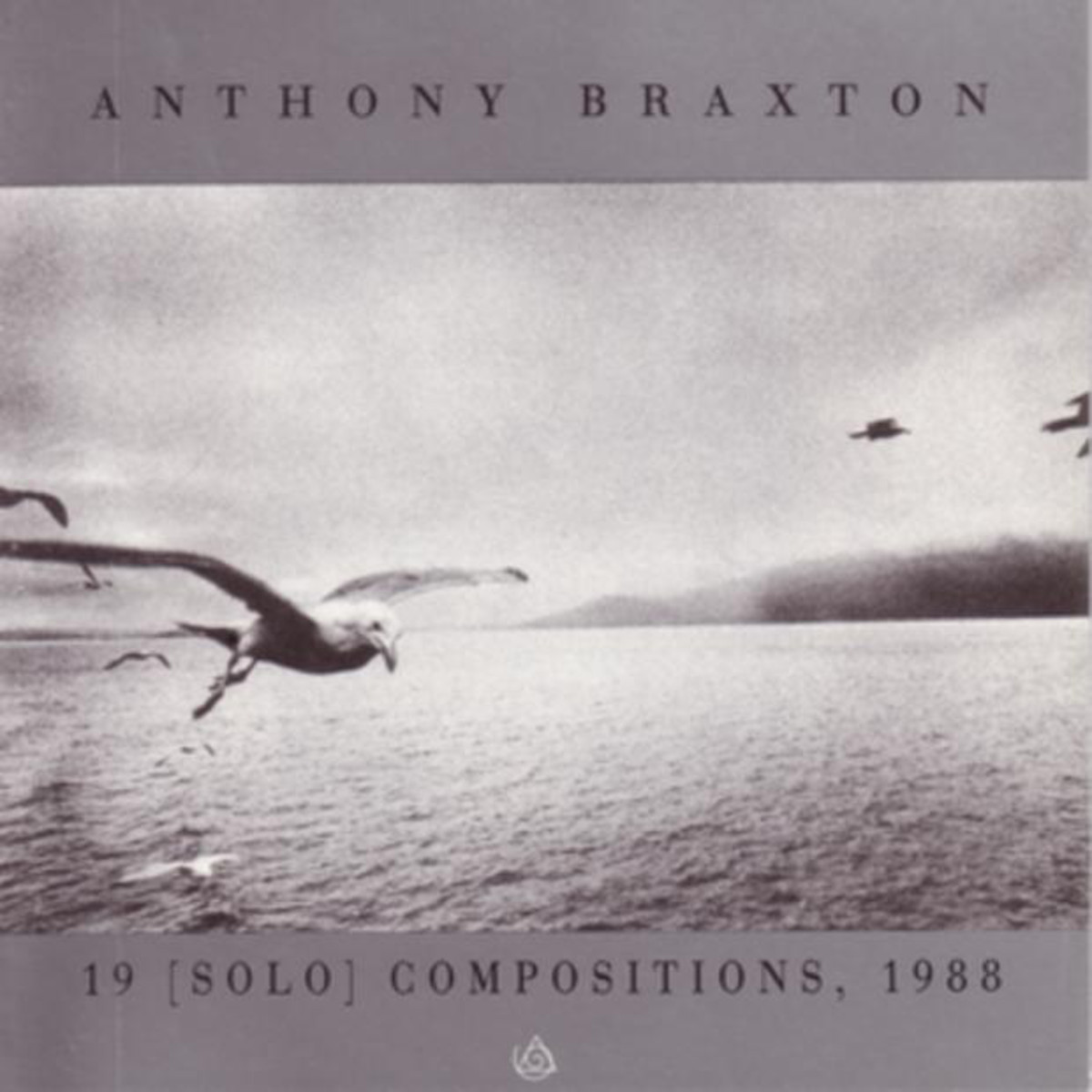
In The Tradition, Vol. 1: what Anthony Braxton wants you to feel
In The Tradition, Vol. 1- Album Overview
Released in 1989, "In The Tradition, Vol. 1" is a seminal work by the avant-garde composer and multi-instrumentalist Anthony Braxton. The album was issued under the influential label Black Saint, known for its dedication to jazz innovation and the promotion of unconventional artists. This project marks an important moment in Braxton's extensive discography, as it encapsulates his deep-rooted commitment to exploring the boundaries of jazz and avant-garde music. The recording was made at the esteemed Systems Two studio in Brooklyn, New York, a venue recognized for its world-class acoustics and commitment to high-quality sound production.
Featuring a stellar ensemble of musicians, including the likes of trumpeter Marcus Belgrave, bassist Jay Hoggard, and drummer Andrew Cyrille, the album showcases Braxton's intricate arrangements and improvisational skill. The tracklist comprises original compositions that blend a variety of influences, reflecting Braxton's diverse musical heritage and his philosophical approach to sound and performance. Notably, the album is a tribute to jazz traditions while simultaneously pushing the genre's boundaries, a signature of Braxton's artistic vision.
In this volume, Braxton delves into the complexities of jazz improvisation, inviting listeners to engage with the music on multiple levels. The album does not have standout singles in the conventional sense, as it is designed to be experienced as a cohesive whole rather than a collection of radio-friendly tracks. "In The Tradition, Vol. 1" is not just an album; it is a profound exploration of sound, emotion, and cultural narrative, representing Braxton's ongoing dialogue with the past and future of jazz.
Review
Musically, "In The Tradition, Vol. 1" is a labyrinthine journey through complex rhythms, unexpected melodic shifts, and a rich tapestry of textures. Braxton's use of instrumentation is particularly striking; he focuses on the interplay between his own saxophones and the other instruments, creating a dialogue that feels both spontaneous and meticulously crafted. The compositions are marked by a striking balance between structure and freedom, an embodiment of Braxton's philosophy that music is an exploration of possibilities rather than a mere replication of established forms.
While the album eschews conventional song structures, it remains deeply emotive. Each track invites listeners to feel rather than just hear, a testament to Braxton's intention of engaging with the audience on a visceral level. The musicianship is impeccable, with each collaborator contributing their unique voice to the overall sound. However, this avant-garde approach may alienate listeners who prefer more traditional jazz formats. Despite this, Braxton's artistic vision shines through, encouraging an openness to new experiences and interpretations of jazz music.
Highlights
- Innovative arrangements that challenge conventional jazz structures.
- Exceptional musicianship from a talented ensemble of jazz artists.
- A deep emotional resonance that invites listeners to engage on multiple levels.
Weak points
- May be challenging for listeners accustomed to traditional jazz forms.
- Lacks radio-friendly singles, which may limit broader appeal.
- Some sections may feel overly abstract or inaccessible to casual listeners.
Overall evaluation
"In The Tradition, Vol. 1" is a masterclass in avant-garde jazz that exemplifies Anthony Braxton's innovative spirit. While it may not cater to every listener's taste, its artistic depth and emotional landscape make it a significant contribution to the genre. The album serves as an invitation to explore the boundaries of musical expression.
Personal rating: 8/10 Tristano Compositions 1989.jpg) 1990Eight (+3) Tristano Compositions 1989
1990Eight (+3) Tristano Compositions 1989 1987Creative Orchestra Music 1976
 1979Alto Saxophone Improvisations
 19683 Compositions of New Jazz