
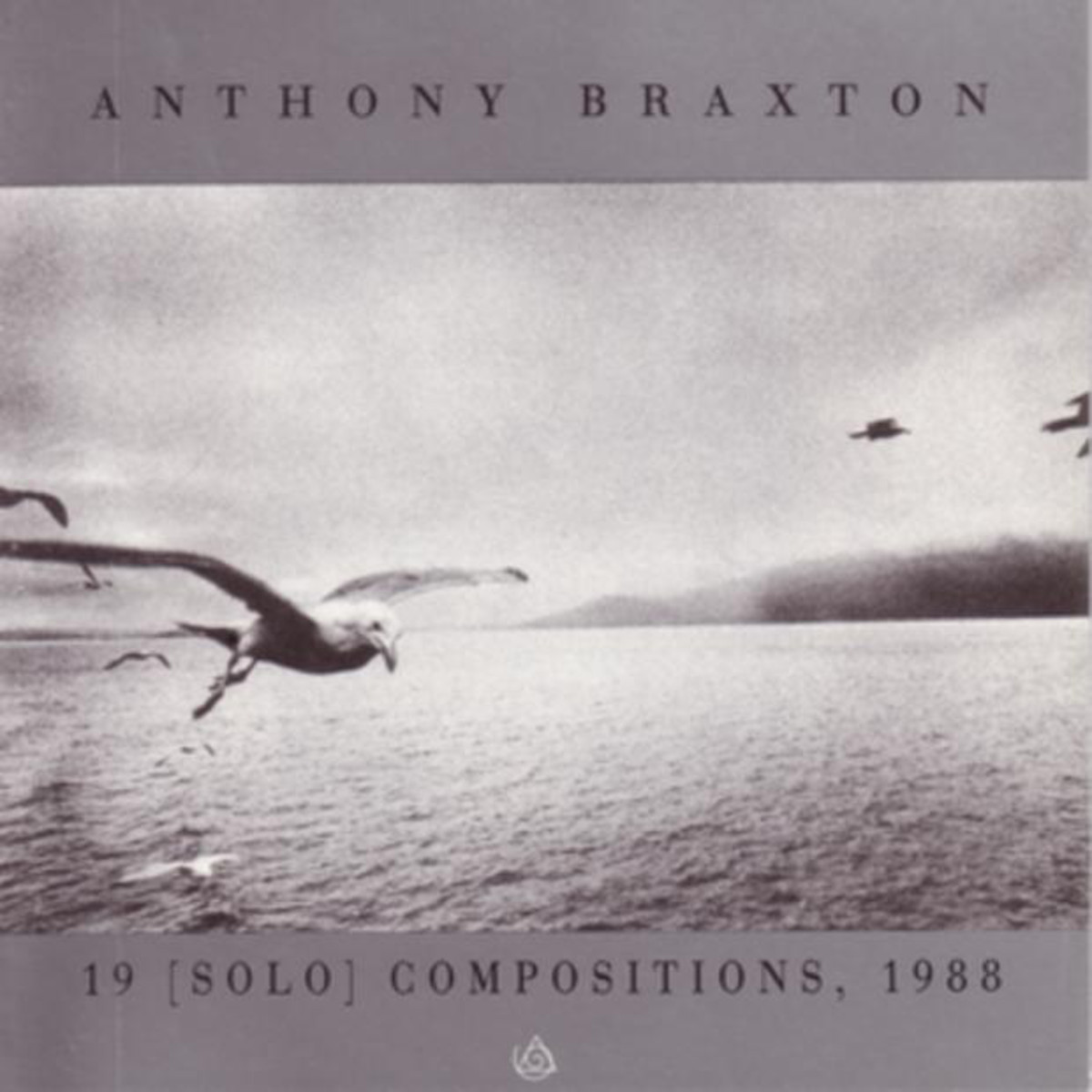
Anthony Braxton returns with Solo (london) 1988
Solo (london) 1988- Album Overview
Released in 1988, "Solo (london) 1988" is a pivotal work in the discography of American avant-garde jazz composer and multi-instrumentalist Anthony Braxton. This album showcases Braxton's profound improvisational skills, recorded live during a performance at the London Jazz Festival. The production was handled by Braxton himself, under the label of his own imprint, Braxton House. The album is a testament to Braxton's innovative spirit, blending traditional jazz elements with experimental soundscapes that challenge conventional musical forms.
Featuring a series of solo performances, the album includes Braxton's signature instrument, the alto saxophone, along with his explorations of the clarinet and other woodwinds. The recordings are characterized by their spontaneity and the deep connection between Braxton and his audience, capturing the essence of live jazz performance in a way that is both intimate and expansive. While there were no official singles released from this album, each track serves as a standalone exploration of sound and improvisation, making it a significant piece in Braxton's oeuvre.
"Solo (london) 1988" is not just an album; it is a cultural artifact that reflects the avant-garde jazz movement of the late 20th century. It offers insight into Braxton's artistic vision, which often blurs the boundaries between composition and improvisation. This album stands as a critical reminder of the importance of live performance in jazz, emphasizing the spontaneity that characterizes the genre. Braxton’s work continues to influence generations of musicians, marking him as a cornerstone of contemporary jazz.
Review
"Solo (london) 1988" presents an eclectic mix of sound that exemplifies Anthony Braxton's unique approach to music. The album captures the essence of jazz improvisation while pushing the boundaries of what is considered traditional jazz. Braxton's performance is marked by an intense exploration of rhythm and melody, often veering into dissonance that challenges listeners' expectations. His ability to weave intricate patterns and textures creates a sonic tapestry that is both engaging and demanding of the listener’s attention.
Critically, the album does not rely on lyrics but rather on the emotive power of instrumental expression. Braxton's mastery of his instruments allows him to convey a wide range of emotions, from introspective delicacy to bold, assertive statements. The artistic vision behind this work is a reflection of Braxton's commitment to pushing musical boundaries, making it a significant contribution to the landscape of modern jazz.
Highlights
- Exceptional improvisational skill showcased throughout the album.
- Strong emotional resonance in the instrumental performances.
- Significant cultural impact as a representation of avant-garde jazz.
Weak points
- May be challenging for listeners unfamiliar with avant-garde jazz.
- Limited accessibility due to the lack of conventional structure.
- Some tracks may feel repetitive or overly experimental for mainstream audiences.
Overall evaluation
In "Solo (london) 1988," Anthony Braxton delivers an exhilarating journey through the realms of avant-garde jazz. While it may not cater to mainstream tastes, it stands as a testament to his artistry and innovation. The album is a must-listen for those seeking to understand the complexities of jazz and its evolution.
Personal rating: 8/10 Tristano Compositions 1989.jpg) 1990Eight (+3) Tristano Compositions 1989
1990Eight (+3) Tristano Compositions 1989 1987Creative Orchestra Music 1976
 1979Alto Saxophone Improvisations
 19683 Compositions of New Jazz