
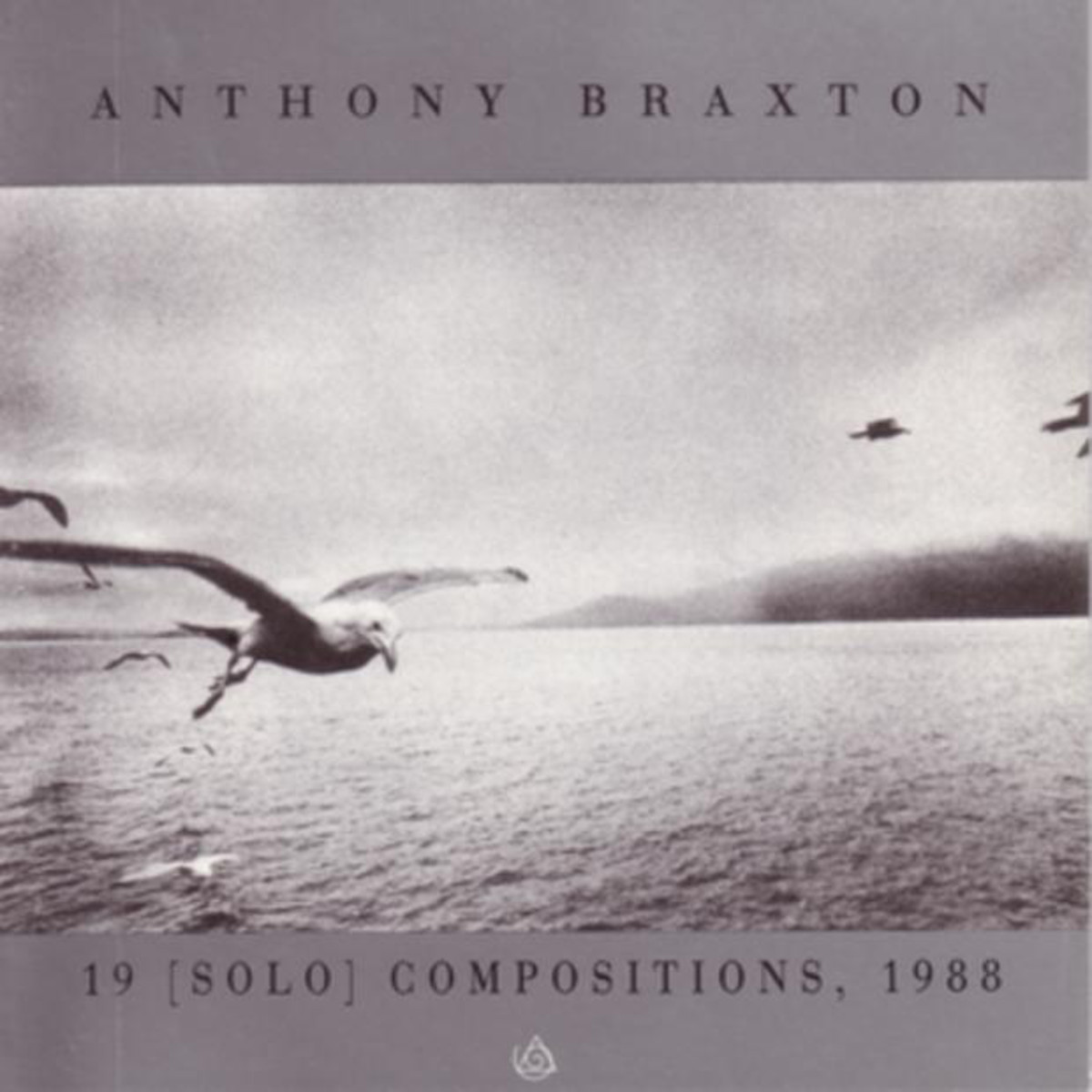
Listening to 14 Compositions (traditional) 1996 by Anthony Braxton
14 Compositions (traditional) 1996- Album Overview
Released in 1996, "14 Compositions (traditional) 1996" is an ambitious album by avant-garde jazz musician Anthony Braxton, known for his innovative approach to composition and improvisation. This album was released under the label Braxton's own label, Braxton House, which underscores his commitment to artistic independence and creative control. The album is a part of Braxton's larger oeuvre that often blurs the lines between composition and improvisation, showcasing his unique approach to music that often draws from a range of influences, including traditional jazz, classical music, and experimental sounds.
Recorded with a diverse ensemble of musicians, including notable collaborators such as the talented saxophonist and flutist, the album features a collection of 14 compositions that challenge conventional jazz structures. Braxton's innovative use of instrumentation and his ability to weave complex musical narratives is evident throughout the album. The musicians involved are renowned in their own right, bringing a rich texture to each track, and the recordings took place in various settings that contribute to the album's distinct sound.
While "14 Compositions" did not produce any mainstream singles, its significance lies in its exploration of the boundaries of jazz music and its reflection of the cultural landscape of the 1990s. The album serves as a testament to Braxton's enduring legacy as a pioneer of avant-garde jazz, inviting listeners to engage with music that is both intellectually stimulating and emotionally resonant.
Review
In "14 Compositions (traditional) 1996," Braxton delivers a complex auditory experience that is as challenging as it is rewarding. The album's sound is characterized by an intricate layering of instruments and a fluid interplay between composed sections and improvisational passages. Each track unfolds like a narrative, inviting the listener into Braxton's unique musical world. The compositions often defy traditional jazz structures, showcasing Braxton's ability to experiment while maintaining a sense of cohesion.
While the album may not cater to mainstream tastes, its artistic vision is clear: to push the boundaries of jazz and explore new sonic territories. Braxton's compositions are marked by a deep sense of exploration and a commitment to innovation, making them significant not just for jazz enthusiasts but for anyone interested in the evolution of contemporary music. The album stands as a reflection of Braxton's artistic philosophy, which prioritizes creativity and exploration over commercial success.
Highlights
- Innovative composition techniques that push the boundaries of jazz.
- Diverse instrumentation and collaborations that enrich the overall sound.
- Intellectually stimulating music that invites deep listening and reflection.
Weak points
- May be challenging for casual listeners or those not familiar with avant-garde jazz.
- Lack of mainstream appeal and commercial singles could limit its audience.
- Some tracks may feel overly experimental, potentially alienating traditional jazz fans.
Overall evaluation
"14 Compositions (traditional) 1996" is a significant entry in Anthony Braxton's discography, showcasing his relentless pursuit of innovation in jazz. While it may not resonate with all listeners, its artistic integrity and complex soundscapes make it a worthy exploration for those willing to engage with its depth.
Personal rating: 8/10 Tristano Compositions 1989.jpg) 1990Eight (+3) Tristano Compositions 1989
1990Eight (+3) Tristano Compositions 1989 1987Creative Orchestra Music 1976
 1979Alto Saxophone Improvisations
 19683 Compositions of New Jazz