
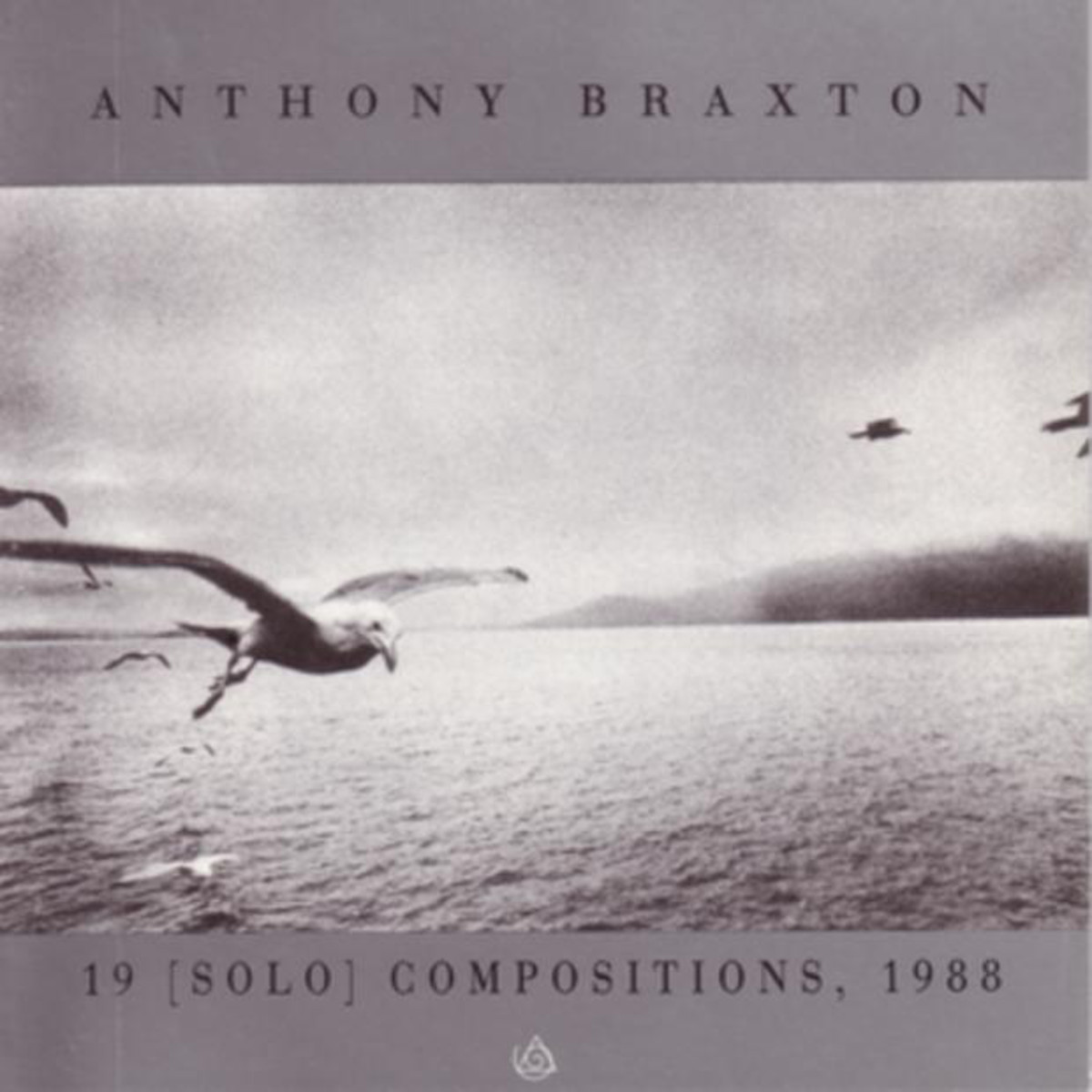
Why Anthony Braxton's Six Monk's Compositions matters
Six Monk's Compositions- Album Overview
Released in 1997 under the label Hat Hut Records, Anthony Braxton's "Six Monk's Compositions" pays homage to the legendary jazz pianist Thelonious Monk. This album is a crucial piece in Braxton's esteemed discography, showcasing his innovative approach to composition and improvisation. The recording features Braxton on a range of instruments, including alto saxophone, clarinet, and his signature woodwinds, while being accompanied by a stellar ensemble of musicians, including the likes of Kevin Norton on percussion and the versatile Joe Fonda on bass.
The album comprises six compositions originally penned by Monk, each reinterpreted through Braxton's unique lens. The tracks include "Reflections," "Misterioso," and "Epistrophy," among others, each offering a fresh perspective on Monk's complex harmonies and rhythmic intricacies. Braxton's arrangement highlights both the structural elements of Monk's work and the spontaneous energy of free jazz, making the album a bridge between tradition and avant-garde exploration.
“Six Monk's Compositions” is significant not only for its artistic merit but also for its contribution to the ongoing dialogue in jazz regarding the reinterpretation of classic works. In an era where many artists return to their roots, Braxton's project stands out by infusing Monk's compositions with a contemporary sensibility while also paying respect to the original spirit of the music. The album serves as a reminder of Monk's profound influence on jazz and showcases Braxton's mastery in navigating and reshaping the genre's lineage.
Review
Musically, "Six Monk's Compositions" is a vibrant tapestry of sound that reflects Braxton's deep understanding of jazz's complexities. The album opens with "Reflections," which sets the tone with its intricate interplay and nuanced improvisations. Braxton’s ability to merge intricate arrangements with spontaneous bursts of creativity captures the essence of Monk’s original compositions while steering them into new territories. The ensemble's synergy is palpable, allowing each musician to shine while contributing to a cohesive interpretation of the tracks.
Throughout the album, Braxton’s artistic vision is clear: he seeks not only to honor Monk's legacy but to expand it. The lyrical quality of the improvisations invites listeners to experience the essence of jazz as a living, breathing art form. There's a sense of playfulness and exploration that permeates the album, making it a joy for both seasoned jazz aficionados and new listeners alike. Each track resonates with a balance of respect for tradition and a boldness in experimentation, further solidifying Braxton's position as a leading figure in contemporary jazz.
Highlights
- Innovative reinterpretation of Monk's compositions, showcasing Braxton's creativity.
- Exceptional synergy among the ensemble, resulting in a rich listening experience.
- Dynamic balance of structure and improvisation that captures the essence of jazz.
Weak points
- Some listeners may find the avant-garde approach challenging or inaccessible.
- A few tracks may feel lengthy, testing the patience of casual listeners.
- Lack of commercial singles may limit mainstream appeal.
Overall evaluation
In conclusion, Anthony Braxton's "Six Monk's Compositions" is an essential addition to the jazz canon, melding tradition with innovation in a way that only Braxton can. This album not only pays tribute to Thelonious Monk but also challenges listeners to reconsider the boundaries of jazz. It is a celebration of creativity that reinforces Braxton's legacy as one of the genre's most important figures.
Personal rating: 8/10 Tristano Compositions 1989.jpg) 1990Eight (+3) Tristano Compositions 1989
1990Eight (+3) Tristano Compositions 1989 1987Creative Orchestra Music 1976
 1979Alto Saxophone Improvisations
 19683 Compositions of New Jazz