
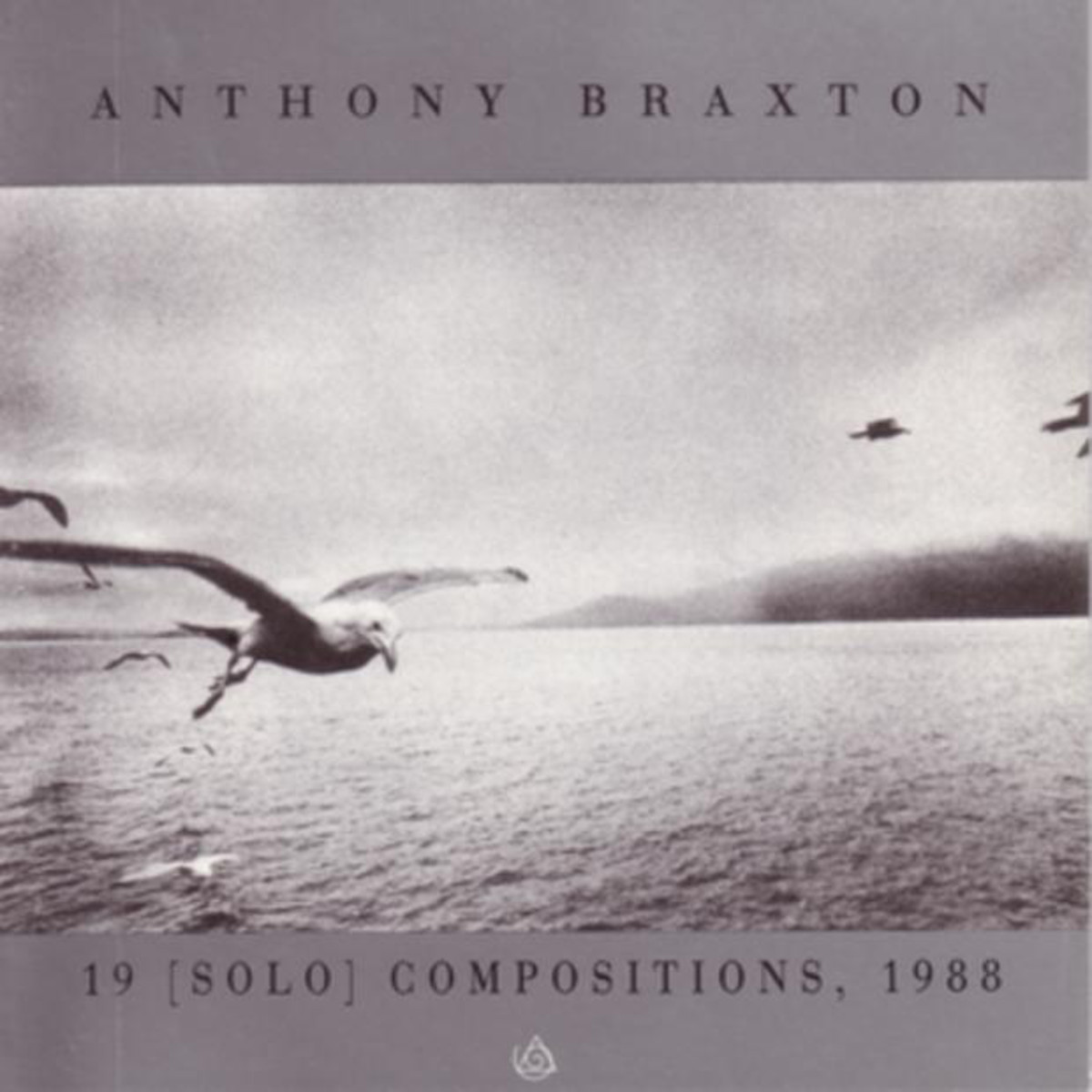
How Anthony Braxton shaped the sound of Compositions No. 10 & No. 16 (+101)
Compositions No. 10 & No. 16 (+101)- Album Overview
Released in 1969, "Compositions No. 10 & No. 16 (+101)" is a landmark album by the avant-garde jazz musician Anthony Braxton. This album is part of Braxton's ongoing exploration of graphic notation and complex musical structures, showcasing his unique approach to the jazz idiom. It was released on the renowned label, Arista, during a pivotal time for experimental jazz and is often noted for its innovative use of improvisation and composition. The recording features a mix of Braxton's ensemble work, including a variety of instruments such as saxophones, piano, and percussion, all contributing to the distinctive soundscape that defines the album. Braxton collaborated with a talented group of musicians, including percussionist Barry Altschul and bassist Dave Holland, whose contributions helped to ground the more abstract elements of Braxton's compositions. The album's tracks, particularly "Composition No. 10" and "Composition No. 16," reflect the tension between structure and spontaneity, a hallmark of Braxton's work. At the time of its release, the album didn't produce any hit singles, but it played a significant role in shaping the direction of jazz in the 1970s and beyond, influencing countless musicians and composers. The cultural significance of this album lies in its challenge to the conventions of jazz and its embrace of a more cerebral, avant-garde approach, which has resonated with generations of musicians and listeners alike.
Review
"Compositions No. 10 & No. 16 (+101)" is a profound exploration of sound that pushes the boundaries of jazz. Braxton's artistic vision is evident throughout the album, as he deftly balances structured compositions with the freedom of improvisation. The innovative use of graphic scores allows for a unique interpretation of each performance, making every listen an unpredictable experience. The interplay between the musicians is nothing short of extraordinary; they engage in a dialogue that is both intricate and spontaneous, reflecting Braxton's belief in the collective nature of music creation. The production quality captures the rawness and intensity of the performances, allowing listeners to feel the energy of the ensemble. Braxton’s saxophone work is particularly striking, showcasing his ability to traverse a wide emotional range—from haunting melodies to frenetic bursts of sound. Each track serves as a testament to his mastery of the form, inviting listeners to contemplate the very nature of musical expression. This album is not merely a collection of songs; it is an intellectual and auditory experience that challenges listeners to rethink their perceptions of jazz.
Highlights
- Innovative use of graphic notation that enhances improvisation.
- Exceptional interplay among musicians, creating a dynamic listening experience.
- Braxton’s saxophone performances are powerful and emotionally resonant.
Weak points
- Some listeners may find the abstract nature of the compositions challenging.
- The lack of conventional song structures might not appeal to all jazz fans.
- Limited commercial appeal may overshadow its artistic significance.
Overall evaluation
"Compositions No. 10 & No. 16 (+101)" is a crucial work in Anthony Braxton's discography and a significant contribution to the avant-garde jazz movement. Its innovative approach to composition and performance continues to inspire and provoke thought, making it a must-listen for any serious music enthusiast.
Personal rating: 9/10 Tristano Compositions 1989.jpg) 1990Eight (+3) Tristano Compositions 1989
1990Eight (+3) Tristano Compositions 1989 1987Creative Orchestra Music 1976
 1979Alto Saxophone Improvisations
 19683 Compositions of New Jazz