ALBUM NOTESThe evolution of Tito Puente in Tito Meets Machito: The Mambo Kings
Tito Meets Machito: The Mambo Kings- Album Overview
Tito Puente's "Tito Meets Machito: The Mambo Kings," released in 1991, is a remarkable celebration of Latin music, particularly the mambo genre that flourished in the mid-20th century. This album was a collaboration between two of the giants of Latin jazz: Tito Puente, the "King of Latin Music," and Machito, often referred to as the "Father of Afro-Cuban Jazz." The album was released under the RCA Records label and showcases a seamless blend of both artists' styles, merging Puente’s energetic timbales with Machito's innovative arrangements.
The recording sessions brought together a stellar cast of musicians, including the legendary trumpeter Arturo Sandoval and saxophonist Paquito D'Rivera, contributing to the album's vibrant sound. The album features notable tracks like “Mambo Gozón” and “Que Bonito Es,” which capture the essence of Cuban rhythms and the improvisational spirit of jazz. The production was a significant effort to bridge the traditional roots of mambo with contemporary jazz influences, highlighting the evolution of these genres.
Culturally, "Tito Meets Machito" serves as a homage to the mambo movement, which played a crucial role in popularizing Latin music in the United States and beyond during the 1940s and 50s. The album not only showcases the technical prowess of its artists but also signifies a crucial moment in Latin music history as it seeks to revive and celebrate its rich heritage. Released amid a resurgence of interest in Latin music during the 1990s, the album stands as a testament to the enduring legacy of both artists and the genre itself.
Review
"Tito Meets Machito: The Mambo Kings" encapsulates a vibrant celebration of Latin music, showcasing a dynamic interplay between Puente's lively timbales and Machito's sophisticated orchestrations. The album's arrangements are meticulously crafted, allowing each musician's talent to shine while maintaining an infectious groove that invites listeners to dance. The musicality is impressive, with intricate brass sections and rhythmic percussion driving the tracks forward.
The lyrical content, while often secondary in instrumental-heavy mambo, conveys joy and celebration, embodying the spirit of Latin culture. Notably, the collaboration between Puente and Machito is evident throughout the album, highlighting their mutual respect and shared history in the evolution of the genre. The artistic vision presented here is one of unity and reverence for the roots of mambo, which resonates powerfully in each composition.
Overall, the album successfully balances nostalgia with innovation, making it a must-listen for both longtime fans of Latin music and newcomers intrigued by its rhythmic allure. While it may not break new ground in terms of musical experimentation, it serves as a poignant reminder of the beauty and vibrancy of mambo music.
Highlights
- Exceptional collaboration between two legendary figures of Latin music.
- Rich instrumentation that showcases the talents of various high-caliber musicians.
- Tracks that capture the joyful essence of mambo, inviting listeners to dance.
Weak points
- Some tracks may feel similar, lacking distinctiveness in sound.
- Limited lyrical content might not appeal to all listeners.
- Production might feel dated to some modern audiences unfamiliar with traditional mambo.
Overall evaluation
"Tito Meets Machito: The Mambo Kings" is a vibrant celebration of Latin music, expertly showcasing the legendary talents of its creators. It serves as a powerful reminder of the cultural significance of the mambo genre, making it a vital addition to any music lover's collection.
Personal rating: 8/10

 2014Puente Goes Jazz
 2014Mambo Of The Times
 2010El Rey
 2009Puente In Percussion
 1972Para Los Rumberos
 1968The King
 1962El Rey Bravo
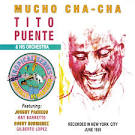 1959Mucho Cha-cha
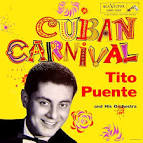 1956Cuban Carnival