
Inside the atmosphere of Tito Puente's Dance Mania, Volume 1
Dance Mania, Volume 1- Album Overview
"Dance Mania, Volume 1" is a landmark album released in 1963 by the legendary Latin jazz musician Tito Puente. Known as "El Rey del Timbal," Puente was instrumental in popularizing Latin music in the United States and beyond. This collection was released under the influential label RCA Victor and features a vibrant mix of mambo, cha-cha, and Latin jazz that showcases Puente's exceptional talent as a timbalero and bandleader.
The album consists of a total of 10 tracks, with standout pieces like "Oye Como Va," which later gained fame through Carlos Santana's rendition. The recording captures the essence of the dance craze that swept through the 1960s, reflecting a unique blend of Afro-Cuban rhythms and American jazz influences. Puente collaborated with an ensemble of talented musicians, including renowned trumpeter Willie Colon and conguero Mongo Santamaría, ensuring a rich sound texture throughout the album.
The production of "Dance Mania" was marked by an energetic approach, emphasizing vibrant brass sections and intricate percussion arrangements that became hallmarks of Puente's style. The album played a critical role in the Latin music scene, not only for its infectious dance tracks but also for its cultural significance, as it bridged gaps between different musical traditions, inviting a wider audience to experience the joy of Latin rhythms.
Review
The sound of "Dance Mania, Volume 1" is an exhilarating journey through Latin rhythms, characterized by its lively instrumentation and infectious energy. Puente's brilliant timbales take the lead, guiding listeners through a maze of intricate polyrhythms and vibrant melodies. Each track pulses with life, making it almost impossible to resist moving to the beat. The album stands out not only for its danceability but also for its artistic vision, presenting a fusion of traditional Afro-Cuban music with contemporary jazz elements.
Lyrically, the album is more focused on instrumental expression, allowing the music itself to convey the exuberance and joy that define the dance culture of the time. The arrangement of the tracks is expertly crafted, showcasing the virtuosity of the musicians while maintaining a cohesive flow that keeps the listener engaged from start to finish. Overall, "Dance Mania, Volume 1" is not just an album; it's a celebration of life, culture, and the universal language of dance.
Highlights
- Vibrant and infectious rhythms that invite listeners to dance.
- Expert musicianship, particularly in the timbales and brass sections.
- Cultural significance in bridging Latin music with mainstream jazz.
Weak points
- Some tracks may feel repetitive for listeners unfamiliar with Latin music.
- Lack of vocal tracks may limit appeal to those who prefer lyrics.
- Production quality reflects the era but may not match modern standards.
Overall evaluation
"Dance Mania, Volume 1" is a quintessential album that encapsulates the spirit of Latin music in the 1960s. Tito Puente's masterful arrangements and the album's vibrant energy make it a must-listen for both dance enthusiasts and music historians alike.
Personal rating: 9/10 2014Puente Goes Jazz
 2014Mambo Of The Times
 2010El Rey
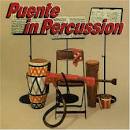 2009Puente In Percussion
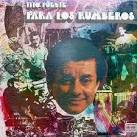 1972Para Los Rumberos
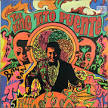 1968The King
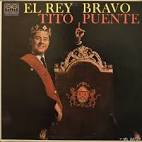 1962El Rey Bravo
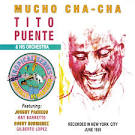 1959Mucho Cha-cha
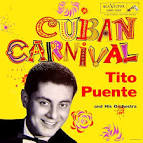 1956Cuban Carnival