
Carnaval En Harlem: the story Tito Puente wants to tell
Carnaval En Harlem- Album Overview
Carnaval En Harlem, released in 1963, is a seminal album by the legendary Latin jazz musician Tito Puente, widely known as "The King of Latin Music." Released under the Tico Records label, this album showcases Puente's deep roots in Afro-Caribbean rhythms and his ability to fuse them with jazz elements. The recording took place in New York City, a hub for Latin music during the 1960s, where Puente collaborated with a host of talented musicians. The album features a vibrant blend of salsa, mambo, and cha-cha, reflecting the cultural melting pot of Harlem, which was home to a significant Puerto Rican population and a rich musical heritage.
The album includes notable tracks such as "Mambo Gozón," "El Cuento de la Vieja," and "A Media Noche," each demonstrating Puente's mastery of percussion and his innovative arrangements. "Carnaval En Harlem" was not just a musical project; it was a celebration of cultural identity and a commentary on the African and Latin influences that shaped American music. Singles from the album, particularly "Mambo Gozón," received considerable airplay, helping to solidify Puente's reputation as a key figure in the genre. This album not only exemplifies Puente's artistic vision but also serves as a historical document of the vibrant Latin music scene in the 1960s, capturing the essence of a community that thrived amidst social changes.
Review
The sound of Carnaval En Harlem is an exhilarating journey through the heart of Latin jazz, driven by Puente's intricate percussion work and lively brass arrangements. The album opens with the infectious "Mambo Gozón," which sets the tone for an energetic ride filled with rhythmic complexity. Puente's artistic vision is evident in the way he weaves traditional Latin rhythms with jazz improvisation, creating a sound that is both innovative and rooted in cultural traditions. The album's arrangements are tight yet allow for individual expression, showcasing the talents of the ensemble while keeping Puente's dynamic leadership at the forefront.
Lyrically, the songs often celebrate themes of joy, community, and the vibrancy of life in Harlem, resonating deeply with audiences who appreciate the cultural significance of the music. Puente's ability to evoke a sense of celebration and dance through his compositions is what makes this album stand out. Overall, Carnaval En Harlem is not just a collection of songs; it's a story told through rhythm, melody, and a profound love for the cultural heritage that influenced Puente's life and work.
Highlights
- Masterful percussion and arrangement showcasing Puente's virtuosity.
- A vibrant blend of Latin rhythms and jazz influences, creating an infectious sound.
- Cultural significance as a celebration of Afro-Caribbean identity in 1960s America.
Weak points
- Some tracks may feel repetitive for listeners unfamiliar with Latin music structures.
- Occasional overproduction can overshadow the raw energy of live performances.
- Limited lyrical depth compared to contemporary jazz or pop albums.
Overall evaluation
Carnaval En Harlem is a vibrant and essential work in the Latin jazz genre, showcasing Tito Puente's incredible talent and cultural significance. Its lively rhythms and rich musical textures make it a timeless classic that resonates with listeners even today.
Personal rating: 8/10 2014Puente Goes Jazz
 2014Mambo Of The Times
 2010El Rey
 2009Puente In Percussion
 1972Para Los Rumberos
 1968The King
 1962El Rey Bravo
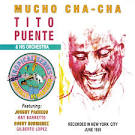 1959Mucho Cha-cha
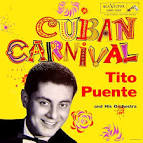 1956Cuban Carnival