
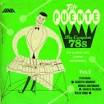
El Timbal: the next chapter for Tito Puente
El Timbal- Album Overview
"El Timbal," released in 1963, is a seminal album by the legendary Latin jazz musician Tito Puente, known as the "King of Latin Music." This album was produced under the Fania Records label, a pivotal platform for Latin music in the 1960s. Puente, a master percussionist and bandleader, recorded this album during a peak period of his career, showcasing his virtuosic skills on the timbales, which are prominent throughout the album. The album features a blend of mambo, cha-cha, and other Afro-Cuban rhythms, reflecting Puente’s deep roots in traditional Latin music while also embracing contemporary jazz influences. The recording sessions brought together a stellar lineup of musicians, including renowned trumpeter Willie Rodriguez and the talented saxophonist Jose "Chombo" Silva. The collaboration of these artists helped craft a vibrant and dynamic sound that is both celebratory and intricately arranged. The album contains several notable tracks, including "Oye Como Va," a composition that would later be popularized by Carlos Santana, highlighting Puente's influence on the genre. "El Timbal" holds significant cultural importance, as it represents a moment when Latin music was beginning to gain widespread recognition in the United States. Puente's work on this album played a crucial role in bridging the gap between Latin music and jazz, paving the way for future generations of musicians. The album not only showcases Puente's technical prowess but also his ability to convey emotion through rhythm and melody, making it a timeless classic in the Latin music canon.
Review
The sound of "El Timbal" is a vibrant tapestry of rhythms and melodies that captures the essence of Latin jazz. Puente's mastery of the timbales is on full display, as he seamlessly blends traditional Latin beats with jazz improvisation. The album opens with an energetic track that sets the tone for the experience, drawing listeners into a world where percussion takes center stage. Lyrically, while the focus is primarily on instrumentals, the occasional vocal arrangements add a layer of richness to the overall sound. The arrangements are tight and well-crafted, showcasing not only Puente's skill as a musician but also his vision as a bandleader who knows how to harness the talents of his collaborators. The album flows beautifully, with each track transitioning smoothly into the next, creating an immersive listening experience. Artistically, "El Timbal" reflects Puente’s desire to innovate while respecting his cultural roots. The fusion of jazz elements with traditional Afro-Cuban rhythms feels fresh and exciting, making this album feel both timeless and ahead of its time. Puente's artistic vision is clear: to celebrate Latin culture through music that is both accessible and sophisticated.
Highlights
- Exceptional percussion work that showcases Puente's mastery of the timbales.
- Seamless blending of traditional Latin rhythms with jazz influences.
- Strong collaborative effort with talented musicians that enriches the overall sound.
Weak points
- Lack of vocal tracks may limit appeal for some listeners who prefer lyrical content.
- Some arrangements may feel dated to contemporary audiences.
- Limited promotion may prevent broader recognition of the album's significance.
Overall evaluation
"El Timbal" is a landmark album that not only showcases Tito Puente's extraordinary talent but also marks a significant moment in the history of Latin music. It is a vibrant celebration of culture, rhythm, and artistry that remains influential to this day.
Personal rating: 9/10 2014Puente Goes Jazz
 2014Mambo Of The Times
 2010El Rey
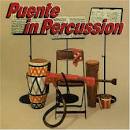 2009Puente In Percussion
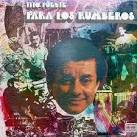 1972Para Los Rumberos
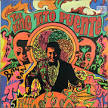 1968The King
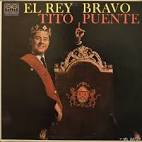 1962El Rey Bravo
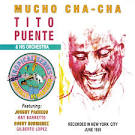 1959Mucho Cha-cha
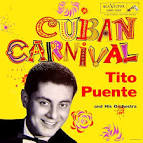 1956Cuban Carnival