
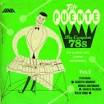
How Tito Puente shaped the sound of Dance Mania
Dance Mania- Album Overview
"Dance Mania," released in 1963, is a seminal album by the legendary Puerto Rican musician Tito Puente, widely regarded as the “King of Latin Music.” Released under the Fania Records label, this album encapsulates the vibrant energy of Latin music, specifically the mambo and salsa genres, which Puente helped popularize in the United States and beyond. The album features a collection of infectious tracks that blend traditional Latin rhythms with jazz and dance elements, showcasing Puente's virtuosic skills on the timbales, a percussion instrument central to his sound.
The recording of "Dance Mania" involved a talented ensemble of musicians, including notable figures in the Latin music scene such as Willie Bobo and Mongo Santamaría, who contributed to the album's rich soundscape. The production was characterized by its high-energy arrangements, catchy melodies, and a strong emphasis on rhythm, making it a staple in dance venues across the globe.
One of the standout singles from the album, "Oye Como Va," would later gain even further fame through Carlos Santana's cover, but it was Puente's original that first captured the essence of the Latin dance craze of the 1960s. "Dance Mania" not only solidified Puente's status as a leading figure in Latin music but also played a crucial role in the cultural exchange that occurred during this era, helping to bring Latin rhythms into the mainstream American music scene.
Review
The sound of "Dance Mania" is a jubilant celebration of rhythm and life, encapsulating the essence of Latin dance music. Puente's artistry shines through in his expert arrangements, which are complemented by the energetic performances of his band. The album embraces a plethora of styles, from the infectious groove of "Mambo Gallego" to the sultry rhythms of "Yambú," ensuring that every track invites listeners to the dance floor. The lyrics, although often simple, are imbued with a sense of celebration and community, reflecting the cultural significance of social dancing within Latino communities.
Puente’s artistic vision transcends mere entertainment; it serves as a cultural bridge, connecting diverse audiences through the universal language of rhythm. The album’s production captures the raw energy of live performances, transporting listeners to the vibrant nightlife of the 1960s. The interplay between brass and percussion creates an immersive sound experience that remains timeless, showcasing Puente's ability to innovate while honoring traditional forms.
Highlights
- Infectious rhythms that compel listeners to dance.
- Expert musicianship and arrangements that highlight Puente's virtuosity.
- Cultural significance, bridging Latin sounds with the American musical landscape.
Weak points
- Some tracks may feel repetitive for listeners unfamiliar with Latin music.
- Lack of lyrical depth in certain songs may limit broader appeal.
- Production quality may feel dated compared to modern standards.
Overall evaluation
"Dance Mania" is an essential album that not only showcases Tito Puente's incredible talent but also captures a pivotal moment in music history. It remains a foundational piece in the Latin music genre and continues to influence artists today.
Personal rating: 9/10 2014Puente Goes Jazz
 2014Mambo Of The Times
 2010El Rey
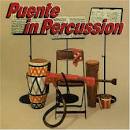 2009Puente In Percussion
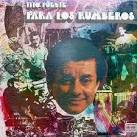 1972Para Los Rumberos
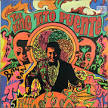 1968The King
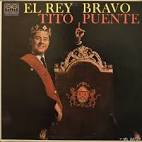 1962El Rey Bravo
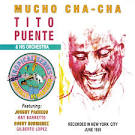 1959Mucho Cha-cha
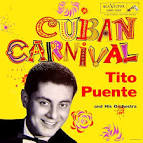 1956Cuban Carnival