
Why Tito Puente's Malibu Beat matters
Malibu Beat- Album Overview
"Malibu Beat," released in 1992, is a pivotal album in the discography of Tito Puente, the renowned Puerto Rican musician often referred to as the "King of Latin Music." This album came out on the RMM label, which was instrumental in promoting Latin music in the United States during the 1990s. Puente, known for his virtuosic skills on the timbales and his contributions to salsa and jazz, brings an eclectic mix of sounds in this release, showcasing not just his signature Latin rhythms but also elements of jazz, funk, and pop.
The recording sessions for "Malibu Beat" took place in an era when Latin music was gaining more mainstream attention, particularly in the wake of the salsa boom of the 1980s. Notable collaborators on the album include other prominent Latin musicians who contributed their talents, further enriching the sound. The album features tracks that highlight Puente's ability to fuse traditional Latin music with contemporary influences, making it a bridge between generations.
Singles from "Malibu Beat," such as "La Salsa de Puerto Rico," exemplify the vibrant, danceable rhythms that Puente is famous for, and the album as a whole reflects the cultural blending that characterizes the Latin music scene in the early ‘90s. "Malibu Beat" not only showcases Tito Puente's virtuosity but also serves as a testament to the evolution of Latin music during a transformative period. The album remains a significant work that introduced new audiences to the rich tapestry of Latin rhythms and continues to resonate with music lovers today.
Review
The sound of "Malibu Beat" is an exciting amalgamation of various genres that showcases Tito Puente's unparalleled artistry. His mastery of the timbales is on full display, creating intricate rhythms that invite listeners to move. The album's production quality is top-notch, with a polished sound that highlights each instrument effectively, allowing the brass, percussion, and vocals to shine. While some tracks lean heavily into danceable salsa grooves, others explore more mellow jazz-infused moments, providing a well-rounded listening experience. Lyrically, the album celebrates the joy and vibrancy of Latin culture, though the focus remains primarily on the instrumental prowess rather than storytelling.
Puente's artistic vision is evident in the way he seamlessly blends traditional Latin elements with contemporary sounds, making "Malibu Beat" not just an album but a cultural experience. It serves as a reminder of the importance of preserving cultural heritage while also pushing musical boundaries. The album's arrangements are both complex and accessible, appealing to long-time fans of Puente and newcomers alike.
Highlights
- Exceptional fusion of traditional Latin rhythms with contemporary influences.
- Showcases Tito Puente's virtuosic timbales performance.
- High production quality that enhances the listening experience.
Weak points
- Some tracks may feel repetitive in their rhythmic patterns.
- Lyrical content may lack depth compared to other works in the genre.
- Not all songs achieve the same level of energy and engagement.
Overall evaluation
"Malibu Beat" is a vibrant and crucial album in Tito Puente's legacy, showcasing his ability to innovate within the Latin music genre. While not without its minor flaws, the album successfully captures the spirit of its time and offers a rich listening experience that continues to resonate with audiences. It’s a celebration of cultural fusion and a testament to Puente’s lasting impact on music.
Personal rating: 8/10 2014Puente Goes Jazz
 2014Mambo Of The Times
 2010El Rey
 2009Puente In Percussion
 1972Para Los Rumberos
 1968The King
 1962El Rey Bravo
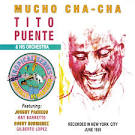 1959Mucho Cha-cha
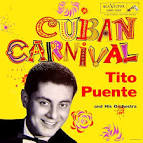 1956Cuban Carnival