
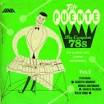
Inside the atmosphere of Tito Puente's Latin Flight
Latin Flight- Album Overview
"Latin Flight," released in 1971, is a landmark album in the career of Tito Puente, one of the most significant figures in Latin music. Released on the Tico Records label, the album showcases Puente's extraordinary talent as a musician and bandleader, solidifying his position within the genre of Latin jazz and salsa. Recorded during a vibrant period of musical exploration, "Latin Flight" features an array of talented collaborators, including renowned musicians such as Mongo Santamaría and Willie Bobo, contributing to the album's rich textures and rhythms.
The album consists of several tracks that blend traditional Latin rhythms with modern jazz influences, creating a unique sound that is both timeless and innovative. Notable tracks include "Mambo Gozón" and "El Cumbanchero," which highlight Puente's mastery of percussion and melodic composition. Through the use of brass, woodwinds, and an array of percussion instruments, the album encapsulates the lively spirit of dance and celebration that characterizes much of Puente's work.
"Latin Flight" not only served as a testament to Puente's musical prowess but also played a significant role in bringing Latin music to a broader audience during the 1970s. Its release coincided with the growing popularity of Latin culture in America, marking an important moment in the cross-pollination of musical genres. The album remains a crucial piece of work that continues to inspire musicians and listeners alike, reflecting the vibrancy and diversity of Latin music.
Review
"Latin Flight" is a captivating exploration of rhythm and melody, showcasing Tito Puente's distinct artistic vision. The album's sound is characterized by its infectious energy, driven by intricate percussion patterns and vibrant brass arrangements. Puente's ability to fuse traditional Latin rhythms with elements of jazz creates a dynamic listening experience that resonates deeply with audiences. The instrumentation is rich and varied, allowing each track to shine while still feeling cohesive within the album's overall narrative.
While the album does not feature lyrics in the traditional sense, the emotive power of the music speaks volumes, conveying a sense of joy and celebration that is central to Latin culture. Puente’s deft handling of the timbales and other percussion instruments brings an urgency and excitement that compels listeners to engage with the music, making it a favorite for dance floors and live performances alike. The artistic vision behind "Latin Flight" is clear: to honor and elevate Latin music while making it accessible to a wider audience, a goal that Puente achieves masterfully.
Highlights
- Masterful percussion work that showcases Puente's virtuosity.
- A vibrant blend of Latin rhythms and jazz elements creates a unique sound.
- Cultural significance in promoting Latin music during a pivotal time in American music history.
Weak points
- Some tracks may feel repetitive to listeners unfamiliar with Latin music.
- Lack of vocal tracks may limit appeal to those who prefer lyrical content.
- Production quality, while good, may not match contemporary standards.
Overall evaluation
"Latin Flight" stands as a crucial album in the Latin music canon, showcasing Tito Puente's unmatched talent and vision. It serves both as a celebration of Latin culture and a bridge to broader musical landscapes.
Personal rating: 8/10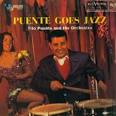 2014Puente Goes Jazz
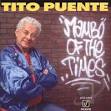 2014Mambo Of The Times
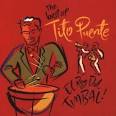 2010El Rey
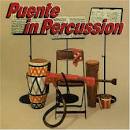 2009Puente In Percussion
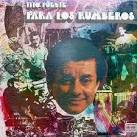 1972Para Los Rumberos
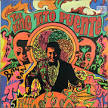 1968The King
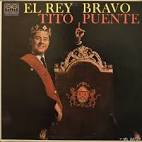 1962El Rey Bravo
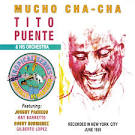 1959Mucho Cha-cha
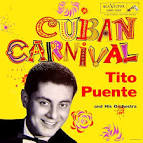 1956Cuban Carnival