ALBUM NOTESReview of Tito Puente – Dance Mania, Volume 2
Dance Mania, Volume 2- Album Overview
Dance Mania, Volume 2, released in 1963, is a landmark album in the Latin jazz genre, showcasing the extraordinary talents of Tito Puente, often referred to as the "King of Latin Music." This album, released under the RCA Victor label, is a follow-up to the highly successful Dance Mania, which helped solidify Puente's reputation in the music industry.
The recording sessions took place in New York City, capturing the vibrant energy of the Latin music scene during the early 1960s. This album features Puente's signature sound characterized by a fusion of Afro-Cuban rhythms and jazz elements, making it a defining work of its time. Collaborators on this album include notable musicians such as Willie Bobo on drums, and other members of Puente's ensemble who contributed to the lively arrangements.
Dance Mania, Volume 2 includes several engaging tracks, among them "Mambo Gozón," "La Cucaracha," and "Que Bonito," which highlight Puente's prowess as a timbales player and his ability to blend sophisticated melodies with infectious rhythms. The album not only showcases Puente's technical skills but also serves as a cultural artifact, reflecting the growing popularity of Latin music in the United States during the 1960s.
Singles from this album received significant airplay on Latin music radio stations, helping to further mainstream Latin rhythms in American music. Dance Mania, Volume 2 is often cited as an essential listen for anyone interested in the evolution of salsa and Latin jazz, cementing Tito Puente's legacy as a pivotal figure in the genre's history.
Review
Dance Mania, Volume 2 is a vibrant celebration of Latin jazz that transports listeners directly to the dance floors of the 1960s. Puente's energetic rhythms and masterful timbales set the stage for an exhilarating listening experience. The production captures the essence of live performances, with a rawness that breathes life into each track. The arrangements are meticulously crafted, allowing individual musicians to shine while maintaining a cohesive sound that invites listeners to dance.
Musically, the album does not shy away from experimentation. The interplay between brass, percussion, and woodwinds creates a rich tapestry of sounds, and the incorporation of traditional Latin motifs with jazz improvisation showcases Puente’s artistic vision. While the album predominantly features instrumentals, the infectious energy and rhythm speak volumes without the need for lyrics.
Overall, Dance Mania, Volume 2 successfully embodies the spirit of celebration and festivity that characterizes Puente’s work, making it an enduring classic in the Latin music canon.
Highlights
- Dynamic and infectious rhythms that invite listeners to dance.
- Exceptional musicianship, particularly in the timbales and brass sections.
- Culturally significant as a representation of the Latin music boom in the 1960s.
Weak points
- Occasional repetitiveness in song structures may deter some listeners.
- Lack of vocal tracks might limit appeal for those preferring lyrical content.
- Production quality can feel dated compared to modern recordings.
Overall evaluation
Dance Mania, Volume 2 stands out as a quintessential album in the Latin jazz genre, showcasing Tito Puente's extraordinary talent and the vibrant musical culture of its time. It's a must-listen for fans of Latin music and anyone interested in the genre's history.
Personal rating: 8/10

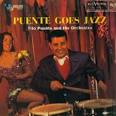 2014Puente Goes Jazz
 2014Mambo Of The Times
 2010El Rey
 2009Puente In Percussion
 1972Para Los Rumberos
 1968The King
 1962El Rey Bravo
 1959Mucho Cha-cha
 1956Cuban Carnival