
Review of Tito Puente – Mambo Birdland
Mambo Birdland- Album Overview
Mambo Birdland is a celebrated album by the legendary Puerto Rican musician Tito Puente, released in 1963 under the RCA Victor label. This album showcases Puente’s mastery in blending traditional Afro-Cuban rhythms with jazz, particularly the mambo genre. The recording sessions took place in New York City, a cultural hub for Latin music during the 20th century, where Puente was a pivotal figure in the Latin jazz movement. Collaborating with notable musicians such as Eddie Palmieri and Machito, the album features a rich ensemble that brings a vibrant energy to the tracks.
The album includes standout tracks like "Mambo Birdland," which is a tribute to the famed Birdland jazz club, and "Oye Como Va," a song that would later gain fame through Carlos Santana’s cover. The fusion of big band jazz elements with Latin percussion is a hallmark of Puente’s style, and this album exemplifies that blend beautifully. It’s not just an album but a cultural artifact, reflecting the Latin music explosion in the United States during the 1960s. Puente’s rhythmic expertise, along with his innovative arrangements, solidified his place as a key influencer in the music world, bridging gaps between different musical genres and communities.
Review
The sound of Mambo Birdland is a vibrant tapestry of complex rhythms and melodic lines that exemplify Tito Puente's artistic vision. The album opens with energetic brass arrangements, setting a lively tone that invites listeners to dance. Puente’s signature timbales are front and center, driving the rhythm forward and showcasing his technical prowess. The tracks balance intricate musical dialogues between the instruments, creating an engaging listening experience that is both sophisticated and accessible.
While the album is primarily instrumental, the infectious rhythms and improvisational spirit tell a story of celebration and cultural pride. The interplay between jazz and Latin sounds feels effortless, demonstrating Puente’s ability to transcend genre boundaries. The production is polished yet retains an authentic live feel, capturing the essence of a vibrant performance. Overall, the album stands as a testament to Puente’s genius, offering both a historical snapshot of the era and a timeless collection of music that continues to resonate with audiences today.
Highlights
- Dynamic fusion of Afro-Cuban rhythms and jazz elements.
- Exceptional musicianship from Puente and his collaborators.
- Culturally significant tracks that reflect the Latin music movement of the 1960s.
Weak points
- Some tracks may feel repetitive for listeners unfamiliar with the genre.
- Lack of vocal tracks might limit appeal for mainstream audiences.
- Production style may seem dated to contemporary listeners.
Overall evaluation
Mambo Birdland is an essential album that captures the spirit of Latin jazz in the 1960s, showcasing Tito Puente's innovative approach to rhythm and melody. While it may not cater to all tastes, the album is a vital piece of musical history that remains influential in both jazz and Latin music circles.
Personal rating: 8/10 2014Puente Goes Jazz
 2014Mambo Of The Times
 2010El Rey
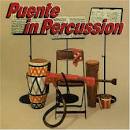 2009Puente In Percussion
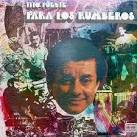 1972Para Los Rumberos
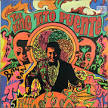 1968The King
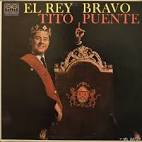 1962El Rey Bravo
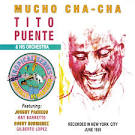 1959Mucho Cha-cha
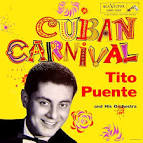 1956Cuban Carnival