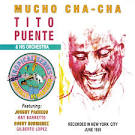
ALBUM NOTESThe evolution of Tito Puente in Mucho Cha-cha
Mucho Cha-cha- Album Overview
Mucho Cha-cha, released in 1966, is a significant entry in the discography of Tito Puente, the legendary Puerto Rican-American musician often referred to as "The King of Latin Music." Produced under the RCA Victor label, this album showcases Puente's mastery of the cha-cha-cha rhythm, which was immensely popular during the 1960s. The recording sessions for Mucho Cha-cha took place in a period when Latin music was gaining mainstream traction in the United States, influenced by the burgeoning salsa scene and the crossover appeal of artists like Puente.
The album features a vibrant collection of tracks that blend traditional Cuban rhythms with jazz influences, highlighting Puente's innovative arrangements and virtuosic percussion skills. Collaborators on the album include top musicians of the era, contributing to its authentic sound. Mucho Cha-cha includes notable tracks such as "La Cucaracha" and "Mambo Gozón," both of which exemplify Puente's ability to energize dance floors with infectious beats and lively melodies. The album's production is notable for its clarity and richness, allowing Puente's timbales and the brass arrangements to shine through.
Culturally, Mucho Cha-cha stands as a testament to Puente's role in popularizing Latin music in the United States, serving as a bridge between traditional Latin genres and emerging pop influences. The cha-cha-cha rhythm, characterized by its syncopated beats, not only dominated dance halls but also influenced a generation of musicians and dancers, solidifying Latin music's place in American popular culture. Mucho Cha-cha remains a vital part of Puente's legacy, illustrating both his evolution as an artist and the broader trends in Latin music during the 1960s.
Review
Mucho Cha-cha is a vibrant showcase of Tito Puente's unparalleled ability to fuse intricate percussion with engaging melodies. The album opens with "La Cucaracha," which immediately sets an upbeat tone, inviting listeners to the dance floor. Puente's timbale work is particularly striking throughout the album, displaying a blend of technical prowess and rhythmic creativity that keeps each track dynamic and lively.
The arrangements are rich, featuring a robust brass section that complements Puente's percussion, creating a full-bodied sound that captures the essence of Latin jazz. However, while the album focuses heavily on instrumentals, some tracks may lack lyrical depth, relying instead on the strength of the rhythm to convey emotion and energy.
Despite this, Puente's artistic vision shines through; he successfully balances traditional elements of cha-cha-cha with innovative arrangements that appeal to a wider audience. Mucho Cha-cha not only reflects Puente's dedication to his craft but also encapsulates the excitement of an era when Latin music was on the cusp of widespread popularity in the United States.
Highlights
- Exceptional timbale solos that showcase Puente's virtuosity.
- Rich brass arrangements that enhance the overall sound.
- Energetic rhythms that make the album perfect for dancing.
Weak points
- Lack of lyrical content may limit appeal to some listeners.
- Some tracks feel repetitive in structure.
- Production style may seem dated to modern audiences.
Overall evaluation
Mucho Cha-cha is a lively and engaging album that captures the essence of Tito Puente's artistry and the vibrant energy of the cha-cha-cha movement. While it may not offer deep lyrical exploration, its infectious rhythms and masterful musicianship make it a vital listen for fans of Latin music.
Personal rating: 8/10

 2015Malibu Beat
 2014Puente Goes Jazz
 2014Mambo Of The Times
 2010El Rey
 2009Puente In Percussion
 1972Para Los Rumberos
 1968The King
 1962El Rey Bravo
 1956Cuban Carnival