Biography
Tito Puente: history and sound
Tito Puente: The Mambo King and His Musical Legacy
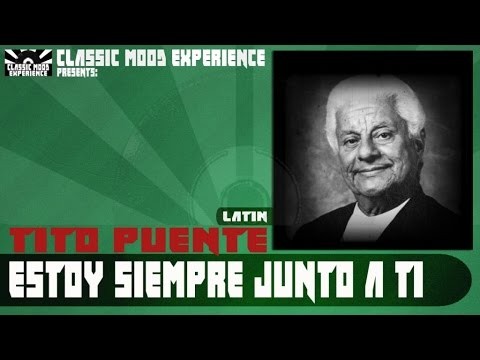
Tito Puente is a name that music lovers will be familiar with – he was an immensely talented Latin musician and composer whose music transcends generations. Born in New York City to Puerto Rican parents in 1923, he began playing music at a very young age and became a prodigy on the timbales at just 13 years old. Over the course of his career, he would become the King of Mambo and leave a lasting impact on the world of Latin music. In this blog post, we will delve into Tito Puente's musical biography, explore his best songs, discuss his music genre, and touch on some of his famous concerts and a critique of his work.
Tito Puente's musical biography is one that is marked by hard work, dedication, and sheer talent. He started his journey towards greatness by playing percussion in his neighborhood bands, and eventually formed his own band, which he would lead for over 50 years. He quickly became recognized as a virtuoso on the timbales, a musical instrument that he helped to popularize in Latin music.
The genre that Tito Puente was best known for was Mambo, a Cuban musical genre that emerged in the 1940s and quickly spread to other parts of Latin America and the Caribbean. Puente's contribution to Mambo was unparalleled, and he was instrumental in popularizing the genre in the United States. His music was a blend of different styles, including Jazz, R&B, and Latin rhythms, which helped to make his sound unique and distinctive.
No discussion of Tito Puente's legacy would be complete without a mention of his best songs. Some of his most popular songs include Oye Como Va, Ran Kan Kan, and Mambo No. 5. His songs were often upbeat and danceable, and they became staples of the Latin music scene. In addition to his own compositions, he was also known for his covers of popular songs, which he would give his own distinctive twist.
Tito Puente was also famous for his live performances, which were energetic and full of life. He played at some of the most famous venues in the world, including Carnegie Hall and the Hollywood Bowl. His concerts were known for their high energy and unique blend of musical styles, which helped to make them unforgettable experiences for all who attended.
A critique of Tito Puente's work would be incomplete without mentioning the way in which he managed to unite different cultures through his music. His sound was a combination of different styles, including Latin and American influences. He emerged at a time when the Latin music scene was just beginning to take off in the United States, and he quickly became recognized as a pioneer in this field. His music was instrumental in breaking down cultural barriers and bringing different people and communities together.
In conclusion, Tito Puente's musical legacy is one that is marked by talent, dedication, and a passion for music. He was a pioneer in the Latin music scene who helped to popularize Mambo, a genre that has since become a cultural icon. His best songs remain popular to this day, and his concerts were unforgettable experiences that helped to unite different communities. Tito Puente's contribution to music will never be forgotten, and his legacy continues to inspire new generations of musicians.
In conclusion, Tito Puente's musical legacy is one that is marked by talent, dedication, and a passion for music. He was a pioneer in the Latin music scene who helped to popularize Mambo, a genre that has since become a cultural icon. His best songs remain popular to this day, and his concerts were unforgettable experiences that helped to unite different communities. Tito Puente's contribution to music will never be forgotten, and his legacy continues to inspire new generations of musicians.
Tito Puente is a name that music lovers will be familiar with – he was an immensely talented Latin musician and composer whose music transcends generations. Born in New York City to Puerto Rican parents in 1923, he began playing music at a very young age and became a prodigy on the timbales at just 13 years old. Over the course of his career, he would become the King of Mambo and leave a lasting impact on the world of Latin music. In this blog post, we will delve into Tito Puente's musical biography, explore his best songs, discuss his music genre, and touch on some of his famous concerts and a critique of his work.
Tito Puente's musical biography is one that is marked by hard work, dedication, and sheer talent. He started his journey towards greatness by playing percussion in his neighborhood bands, and eventually formed his own band, which he would lead for over 50 years. He quickly became recognized as a virtuoso on the timbales, a musical instrument that he helped to popularize in Latin music.
The genre that Tito Puente was best known for was Mambo, a Cuban musical genre that emerged in the 1940s and quickly spread to other parts of Latin America and the Caribbean. Puente's contribution to Mambo was unparalleled, and he was instrumental in popularizing the genre in the United States. His music was a blend of different styles, including Jazz, R&B, and Latin rhythms, which helped to make his sound unique and distinctive.
No discussion of Tito Puente's legacy would be complete without a mention of his best songs. Some of his most popular songs include Oye Como Va, Ran Kan Kan, and Mambo No. 5. His songs were often upbeat and danceable, and they became staples of the Latin music scene. In addition to his own compositions, he was also known for his covers of popular songs, which he would give his own distinctive twist.
Tito Puente was also famous for his live performances, which were energetic and full of life. He played at some of the most famous venues in the world, including Carnegie Hall and the Hollywood Bowl. His concerts were known for their high energy and unique blend of musical styles, which helped to make them unforgettable experiences for all who attended.
A critique of Tito Puente's work would be incomplete without mentioning the way in which he managed to unite different cultures through his music. His sound was a combination of different styles, including Latin and American influences. He emerged at a time when the Latin music scene was just beginning to take off in the United States, and he quickly became recognized as a pioneer in this field. His music was instrumental in breaking down cultural barriers and bringing different people and communities together.
In conclusion, Tito Puente's musical legacy is one that is marked by talent, dedication, and a passion for music. He was a pioneer in the Latin music scene who helped to popularize Mambo, a genre that has since become a cultural icon. His best songs remain popular to this day, and his concerts were unforgettable experiences that helped to unite different communities. Tito Puente's contribution to music will never be forgotten, and his legacy continues to inspire new generations of musicians.
In conclusion, Tito Puente's musical legacy is one that is marked by talent, dedication, and a passion for music. He was a pioneer in the Latin music scene who helped to popularize Mambo, a genre that has since become a cultural icon. His best songs remain popular to this day, and his concerts were unforgettable experiences that helped to unite different communities. Tito Puente's contribution to music will never be forgotten, and his legacy continues to inspire new generations of musicians.