Biography
Celia Cruz: history and sound
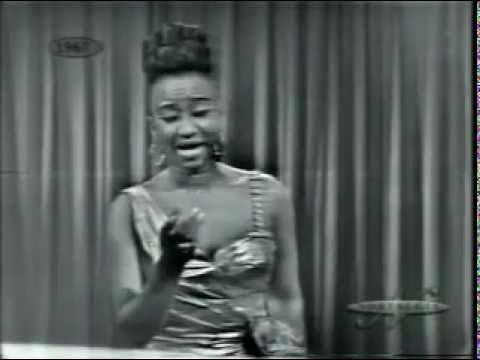
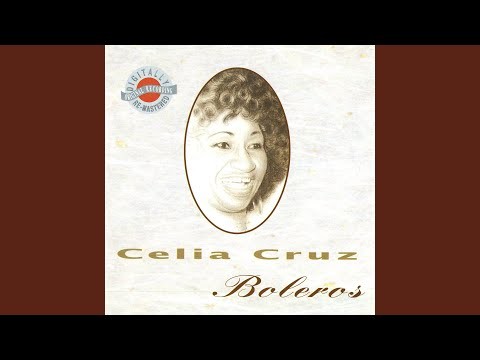
Úrsula Hilaria Celia de la Caridad Cruz Alfonso de la Santísima Trinidad also known by her stage name Celia Cruz (October 21, 1925 – July 16, 2003) was a Cuban-American salsa singer-performer.
Celia Cruz, the Queen of Salsa: A Musical Journey Through Her Life
When we think about salsa music and Latin American culture, the name Celia Cruz is the one that immediately comes to mind. This Cuban singer has been one of the most iconic figures in the world of Latin music for decades, and her unique style and powerful voice have left an indelible mark on generations of music listeners. In this blog post, we’re going to take a journey through Celia Cruz's musical biography, explore her best songs, music genre, famous concerts and a critic review.
Celia Cruz was born in Havana, Cuba, in 1925. From early childhood, she showed a love for singing and dancing, and as she grew older, she began to perform in local clubs and theaters. It wasn't long before her talent was noticed by radio broadcasters, and she soon earned a contract to sing on a popular Cuban radio show. She then joined the Tropicana nightclub's orchestra and became a lead singer, which gained her a lot of popularity across Latin America and the US.
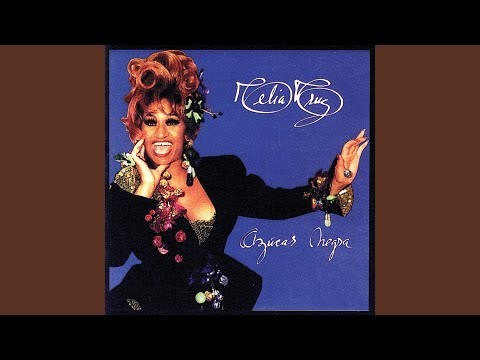
As she ventured into the musical spotlight, Celia quickly became known for her powerful voice, her dramatic presence, and her bold fashion sense. Her music genre was rooted in traditional Cuban rhythms, but she also incorporated elements from other Latin American styles, including salsa and rumba. Her music celebrated life, love, perseverance, and freedom, and she conveyed these themes with passion and energy in every performance.
Some of her most famous songs include La Vida Es Un Carnaval, Quimbara, and Bemba Colora.. These songs have a powerful rhythm and lyrics that celebrate the joys of life and encourage you to dance. Her upbeat music was infectious, and it has been played in parties, weddings, and other celebrations. Her voice was a combination of soul and passion that connected with listeners deeply.
Celia Cruz received numerous awards and recognitions throughout her career, including four Grammy awards, three Latin Grammy awards, and a star on the Hollywood Walk of Fame. She also performed for some of the biggest stages and crowds, including Carnegie Hall, Madison Square Garden, and the White House. In countless interviews, many celebrities said that Celia was their inspiration in the music industry.
Celia Cruz has left an unforgettable legacy in the world of Latin music, inspiring countless musicians and music listeners across the globe. Her music was an anthem of freedom and celebration, and it continues to uplift and energize people even today. She remains one of the most celebrated artists of all time, and her influence will always be felt whenever we hear the joyful beat of salsa music.
Celia Cruz, the Queen of Salsa: A Musical Journey Through Her Life
When we think about salsa music and Latin American culture, the name Celia Cruz is the one that immediately comes to mind. This Cuban singer has been one of the most iconic figures in the world of Latin music for decades, and her unique style and powerful voice have left an indelible mark on generations of music listeners. In this blog post, we’re going to take a journey through Celia Cruz's musical biography, explore her best songs, music genre, famous concerts and a critic review.
Celia Cruz was born in Havana, Cuba, in 1925. From early childhood, she showed a love for singing and dancing, and as she grew older, she began to perform in local clubs and theaters. It wasn't long before her talent was noticed by radio broadcasters, and she soon earned a contract to sing on a popular Cuban radio show. She then joined the Tropicana nightclub's orchestra and became a lead singer, which gained her a lot of popularity across Latin America and the US.
As she ventured into the musical spotlight, Celia quickly became known for her powerful voice, her dramatic presence, and her bold fashion sense. Her music genre was rooted in traditional Cuban rhythms, but she also incorporated elements from other Latin American styles, including salsa and rumba. Her music celebrated life, love, perseverance, and freedom, and she conveyed these themes with passion and energy in every performance.
Some of her most famous songs include La Vida Es Un Carnaval, Quimbara, and Bemba Colora.. These songs have a powerful rhythm and lyrics that celebrate the joys of life and encourage you to dance. Her upbeat music was infectious, and it has been played in parties, weddings, and other celebrations. Her voice was a combination of soul and passion that connected with listeners deeply.
Celia Cruz received numerous awards and recognitions throughout her career, including four Grammy awards, three Latin Grammy awards, and a star on the Hollywood Walk of Fame. She also performed for some of the biggest stages and crowds, including Carnegie Hall, Madison Square Garden, and the White House. In countless interviews, many celebrities said that Celia was their inspiration in the music industry.
Celia Cruz has left an unforgettable legacy in the world of Latin music, inspiring countless musicians and music listeners across the globe. Her music was an anthem of freedom and celebration, and it continues to uplift and energize people even today. She remains one of the most celebrated artists of all time, and her influence will always be felt whenever we hear the joyful beat of salsa music.