Biography
Don Omar: history and sound
The reggaeton star, Don Omar, knows how to get a crowd going and dance floors filled with his contagious Latin beats! Possessing 2 Grammy's for Best Urban Music Album and over 16 Latin Grammy Awards, Don Omar has established himself as one of the standard bearer’s of the Reggaeton genre. His unique style and addictive sound emitted in all his music can be heard in some of his greatest Miami hits such as Dale Don Dale, Danza Kuduro, Te Quiero Pa'mi and much more. With so many excellent tracks to choose from, it comes as no surprise why Don Omar remains one of the most popular international figures today!
The Life and Music of Don Omar – A Journey Through the Reggaeton King's Career
Don Omar is a Puerto Rican singer, songwriter, and actor who rose to fame in the early 2000s for his fusion of reggaeton and latin pop. With his passionate lyrics and electrifying performances, he quickly became one of the biggest names in the music industry, earning himself several awards and millions of fans worldwide. In this blog post, we'll take a look at Don Omar's musical biography, his best songs, and the impact he has had on the music genre.
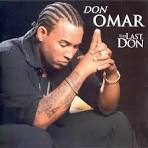
Don Omar was born William Omar Landrón Rivera in Puerto Rico in 1978. He began his career by providing rap verses for other artists before releasing his first solo album in 2003, called The Last Don. This album propelled him into stardom, earning him a Latin Grammy nomination and breaking records for sales of a reggaeton album. With his unique blend of pop and reggaeton, he created a sound that would soon become his signature style.
One of Don Omar's most well-known songs is Dile, which was featured on his first album. It quickly became a hit in Latin America and the United States, introducing his music to a wider audience. Another memorable track from the album is Pobre Diabla, which tells the story of a woman who is mistreated by her lover. The song's catchy melody and relatable lyrics made it an instant classic, and it continues to be a fan-favorite.
In 2006, Don Omar released his second album, called King of Kings. This album solidified his place as the king of reggaeton, with its diverse range of tracks that showcased his versatility as an artist. Angelito is a ballad that shows off his softer side, while Los Bandoleros is a fiery track that features him rapping alongside fellow reggaeton star, Tego Calderón.
Don Omar's music has garnered a large following among music listeners, but he has also made a name for himself through his live performances. One of his most famous concerts was his Arrasa con Todo show, which took place in Puerto Rico in 2008. It set a Guinness World Record for the largest concert ever by a solo artist, with an attendance of over 80,000 people.
Critics of Don Omar have accused him of promoting negative stereotypes about Latin American culture through his music. However, he has defended his music, stating that it is a reflection of his own experiences and those of his community. His music has also been praised for its authentic representation of the reggaeton genre, which has often been overlooked or dismissed by the mainstream music industry.
Don Omar has had a long and successful career, filled with memorable performances and iconic hits. His music has been an inspiration for many, and he continues to be a significant figure in the Latin music scene. As he continues to create and evolve his sound, we look forward to seeing what the future holds for this reggaeton king.
The Life and Music of Don Omar – A Journey Through the Reggaeton King's Career
Don Omar is a Puerto Rican singer, songwriter, and actor who rose to fame in the early 2000s for his fusion of reggaeton and latin pop. With his passionate lyrics and electrifying performances, he quickly became one of the biggest names in the music industry, earning himself several awards and millions of fans worldwide. In this blog post, we'll take a look at Don Omar's musical biography, his best songs, and the impact he has had on the music genre.
Don Omar was born William Omar Landrón Rivera in Puerto Rico in 1978. He began his career by providing rap verses for other artists before releasing his first solo album in 2003, called The Last Don. This album propelled him into stardom, earning him a Latin Grammy nomination and breaking records for sales of a reggaeton album. With his unique blend of pop and reggaeton, he created a sound that would soon become his signature style.
One of Don Omar's most well-known songs is Dile, which was featured on his first album. It quickly became a hit in Latin America and the United States, introducing his music to a wider audience. Another memorable track from the album is Pobre Diabla, which tells the story of a woman who is mistreated by her lover. The song's catchy melody and relatable lyrics made it an instant classic, and it continues to be a fan-favorite.
In 2006, Don Omar released his second album, called King of Kings. This album solidified his place as the king of reggaeton, with its diverse range of tracks that showcased his versatility as an artist. Angelito is a ballad that shows off his softer side, while Los Bandoleros is a fiery track that features him rapping alongside fellow reggaeton star, Tego Calderón.
Don Omar's music has garnered a large following among music listeners, but he has also made a name for himself through his live performances. One of his most famous concerts was his Arrasa con Todo show, which took place in Puerto Rico in 2008. It set a Guinness World Record for the largest concert ever by a solo artist, with an attendance of over 80,000 people.
Critics of Don Omar have accused him of promoting negative stereotypes about Latin American culture through his music. However, he has defended his music, stating that it is a reflection of his own experiences and those of his community. His music has also been praised for its authentic representation of the reggaeton genre, which has often been overlooked or dismissed by the mainstream music industry.
Don Omar has had a long and successful career, filled with memorable performances and iconic hits. His music has been an inspiration for many, and he continues to be a significant figure in the Latin music scene. As he continues to create and evolve his sound, we look forward to seeing what the future holds for this reggaeton king.