
Check the vibes: Sergei Rachmaninoff – Symphony No. 2 In E Minor
Symphony No. 2 In E Minor- Album Overview
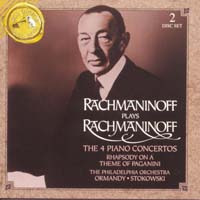
Sergei Rachmaninoff's "Symphony No. 2 in E Minor," composed between 1906 and 1907, is a monumental work that showcases the composer’s rich harmonic language and lyrical melodicism. First performed in 1908 by the New York Philharmonic under the baton of Leopold Stokowski, the symphony quickly gained acclaim and is now considered one of Rachmaninoff's signature compositions. The work was released on various labels, with notable recordings from RCA Victor and Deutsche Grammophon, featuring orchestras like the London Symphony Orchestra and the Philadelphia Orchestra.
The Symphony No. 2 consists of four movements: the first, "Largo – Allegro moderato," introduces themes that are both haunting and memorable; the second movement, "Allegro molto," is known for its energetic rhythms; the third, "Adagio," presents lush, romantic melodies; and the final movement, "Allegro vivace," delivers a powerful, jubilant conclusion. Rachmaninoff's mastery of orchestration is evident throughout the piece, using the full range of the orchestra to create a rich tapestry of sound.
This symphony was written during a turbulent time in Rachmaninoff's life, following the disastrous premiere of his First Symphony. It marked a significant turning point in his career, leading to a resurgence in his compositional output. The work is not only significant for its musical innovations but also for its emotional depth, reflecting Rachmaninoff's personal struggles and triumphs. Over the years, "Symphony No. 2" has influenced countless composers and remains a staple in orchestral repertoire worldwide, celebrated for its sweeping melodies and dramatic intensity.
Review
The emotional landscape of Rachmaninoff's "Symphony No. 2" is a profound journey that resonates deeply with listeners. The symphony opens with an expansive introduction that sets the stage for an exploration of the human experience. Rachmaninoff's ability to weave intricate melodies with lush harmonies is evident from the first notes, drawing the audience into a world of both melancholy and exuberance. The second movement contrasts sharply with its lively rhythms and intricate orchestration, showcasing the composer's skill in creating dynamic tension and release.
Each movement flows seamlessly into the next, creating an overarching narrative that captures the listener's attention. The "Adagio" movement stands out as a particularly poignant moment, with its sweeping themes evoking a sense of longing and introspection. Rachmaninoff’s orchestration is masterful; he employs the full range of orchestral colors to evoke a wide spectrum of emotions, from the delicate to the thunderous. The finale is a triumphant celebration, encapsulating the thematic journey of the entire work. Overall, Rachmaninoff's Symphony No. 2 is a testament to his genius, offering a rich musical experience that continues to captivate audiences today.
Highlights
- Masterful orchestration that showcases a wide emotional range.
- Memorable melodies that linger long after the last note.
- A seamless flow between movements that creates a compelling narrative.
Weak points
- Some may find the length of the symphony challenging for casual listening.
- The emotional intensity may be overwhelming for some listeners.
- Occasional predictability in thematic development might deter avant-garde enthusiasts.
Overall evaluation
Rachmaninoff's "Symphony No. 2 in E Minor" is a monumental work that exemplifies the height of Romantic orchestral music. Its emotional depth, lush harmonies, and memorable melodies make it a must-listen for any classical music enthusiast.
Personal rating: 9/10