
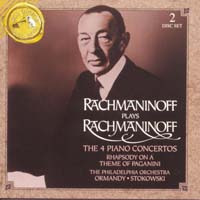
Piano Concerto No. 2 In C Minor by Sergei Rachmaninoff: expectations vs reality
Piano Concerto No. 2 In C Minor- Album Overview
Sergei Rachmaninoff's "Piano Concerto No. 2 in C Minor, Op. 18" was composed between 1900 and 1901 and premiered in 1901, showcasing the Russian composer's remarkable talent and emotional depth. This landmark piece, often regarded as one of the greatest concertos in the piano repertoire, was released through the RCA Victor label, among others. The concerto consists of three movements: Allegro, Adagio sostenuto, and Allegro scherzando, each displaying Rachmaninoff's ability to blend lyrical beauty with virtuosic demands. The work was written during a period of personal turmoil for Rachmaninoff, following a disastrous premiere of his First Symphony, and it represents a turning point in his career. The concerto's lush melodies and rich harmonies have contributed to its enduring popularity, influencing countless pianists and composers. Notable recordings of the concerto have featured esteemed orchestras and conductors, including the London Symphony Orchestra and the Philadelphia Orchestra under the baton of Leopold Stokowski. The piece has been a staple in the classical music canon, celebrated not only for its technical challenges but also for its emotional intensity, making it a favorite in concert halls worldwide.
Review
Piano Concerto No. 2 is a masterclass in orchestration and piano technique. From the outset, the first movement establishes a powerful, dramatic atmosphere, with the piano's entrance heralding a sense of urgency and passion. Rachmaninoff's writing is rich and complex, yet it remains accessible, inviting listeners into a world of deep lyricism. The second movement is a hauntingly beautiful adagio that showcases the piano's expressive capabilities, allowing the performer to explore a wide emotional spectrum. The final movement bursts forth with exuberance, providing a thrilling conclusion to the concerto. The interplay between piano and orchestra is masterfully crafted, with Rachmaninoff's signature style evident throughout. In terms of artistic vision, Rachmaninoff successfully combines Russian romanticism with his unique voice, creating a work that resonates emotionally while pushing technical boundaries. The piece's cultural significance is profound, as it has become synonymous with romantic piano concertos, influencing generations of musicians.
Highlights
- Exceptional melodic lines that linger in the listener's memory.
- Technical brilliance that challenges even the most skilled pianists.
- Emotional depth that evokes a wide range of feelings.
Weak points
- The length of the concerto may test the patience of some casual listeners.
- Parts of the orchestration can sometimes overshadow the piano soloist.
- Occasional predictability in thematic development may detract from the experience for some.
Overall evaluation
Rachmaninoff's "Piano Concerto No. 2" is an essential work in the classical repertoire that triumphs in emotional expression and technical brilliance. It invites both admiration and introspection, securing its place in the hearts of musicians and audiences alike.
Personal rating: 9/10