
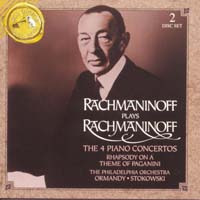
Breaking down the themes in Second Piano Concerto by Sergei Rachmaninoff
Second Piano Concerto- Album Overview
Sergei Rachmaninoff's Second Piano Concerto, composed between 1900 and 1901, is one of the most celebrated works in the classical piano repertoire. It was first performed in 1901 with the composer himself as the soloist, conducted by the renowned conductor Nikolai Tcherepnin. The concerto is structured in three movements: I. Moderato, II. Adagio sostenuto, and III. Allegro scherzando, showcasing Rachmaninoff's extraordinary ability to blend lyrical melodies with intricate harmonies. The work was published by the renowned Russian music publisher, Jurgenson, and has been recorded numerous times since its debut, making it a staple in both concert halls and recording studios.
The concerto was written during a challenging period in Rachmaninoff's life, following the disappointing premiere of his First Symphony in 1897, which led to a severe crisis of confidence. The Second Piano Concerto marked a significant turning point, revitalizing his career and establishing him as a leading composer of the early 20th century. It is noted for its lush orchestration and emotional depth, reflecting themes of love, nostalgia, and redemption. Collaborators on various recordings of the concerto have included illustrious orchestras and conductors such as the London Symphony Orchestra, the Philadelphia Orchestra, and iconic pianists like Horace Parlan and Vladimir Ashkenazy. The concerto's enduring popularity can be attributed to its dramatic contrasts and the way it encapsulates the essence of Romanticism, making it a profound experience for both performers and audiences alike.
Review
The Second Piano Concerto is a masterful blend of technical brilliance and emotional resonance. Rachmaninoff's intricate piano passages demand unparalleled dexterity and depth from the pianist, while the lush orchestral backdrop complements the piano's eloquent voice. The first movement opens with a brooding theme, quickly evolving into a passionate dialogue between the soloist and orchestra. The Adagio sostenuto, often regarded as one of Rachmaninoff's most beautiful creations, showcases a haunting melody that speaks to the listener's soul, encapsulating themes of longing and introspection. The final movement bursts forth with vigor and joy, encapsulating the full spectrum of human emotion. Rachmaninoff's artistic vision in this concerto transcends mere technicality, as it captures the heart's struggles and triumphs, marking it as a significant contribution to the concert repertoire.
Highlights
- Exceptional emotional depth and lyrical beauty in the melodies.
- Complex yet accessible piano passages that showcase technical prowess.
- A perfect balance between orchestral and soloist elements, creating a harmonious dialogue.
Weak points
- Some listeners may find the length of the concerto overwhelming.
- The third movement's brisk pace may overshadow the emotional weight of the earlier sections for some.
- Interpretations can vary significantly, leading to inconsistency in performance quality.
Overall evaluation
Rachmaninoff's Second Piano Concerto stands as a monumental work that continues to inspire and captivate audiences over a century after its composition. Its blend of technical brilliance and emotional depth makes it a timeless piece in the classical canon.
Personal rating: 9/10